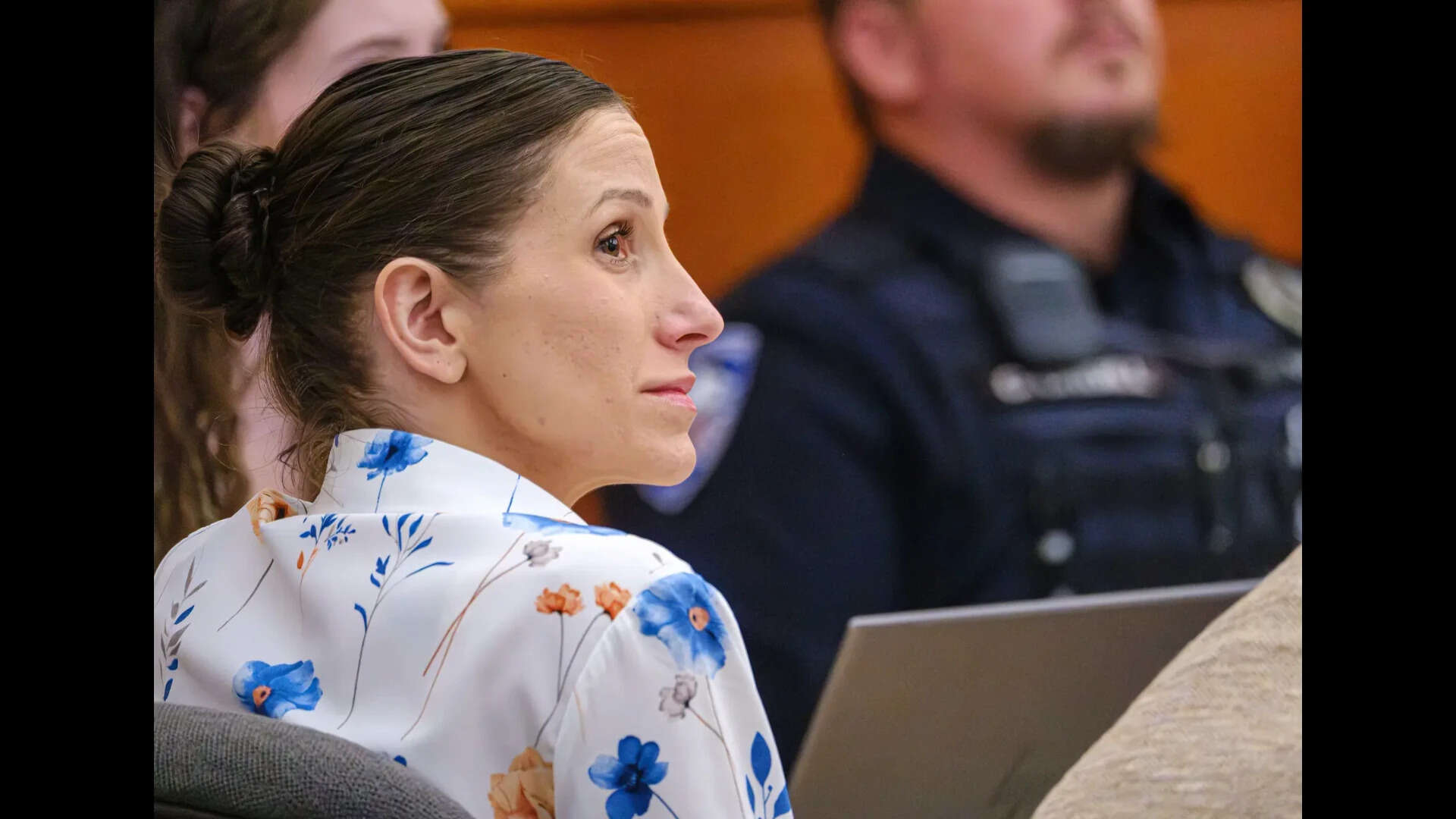
A young woman sits in a cramped room, the blue light of a laptop illuminating the desperation in her eyes. She is a student, or she hopes to be. She has the grades. She has the ambition. What she doesn’t have is the money. In a moment of modern vulnerability, she hits "post" on a crowdfunding page, asking strangers to help finance her dream of studying in the UK. But she adds a detail that transforms her request from a simple educational plea into a lightning rod for national debate: she needs enough to bring her husband with her.
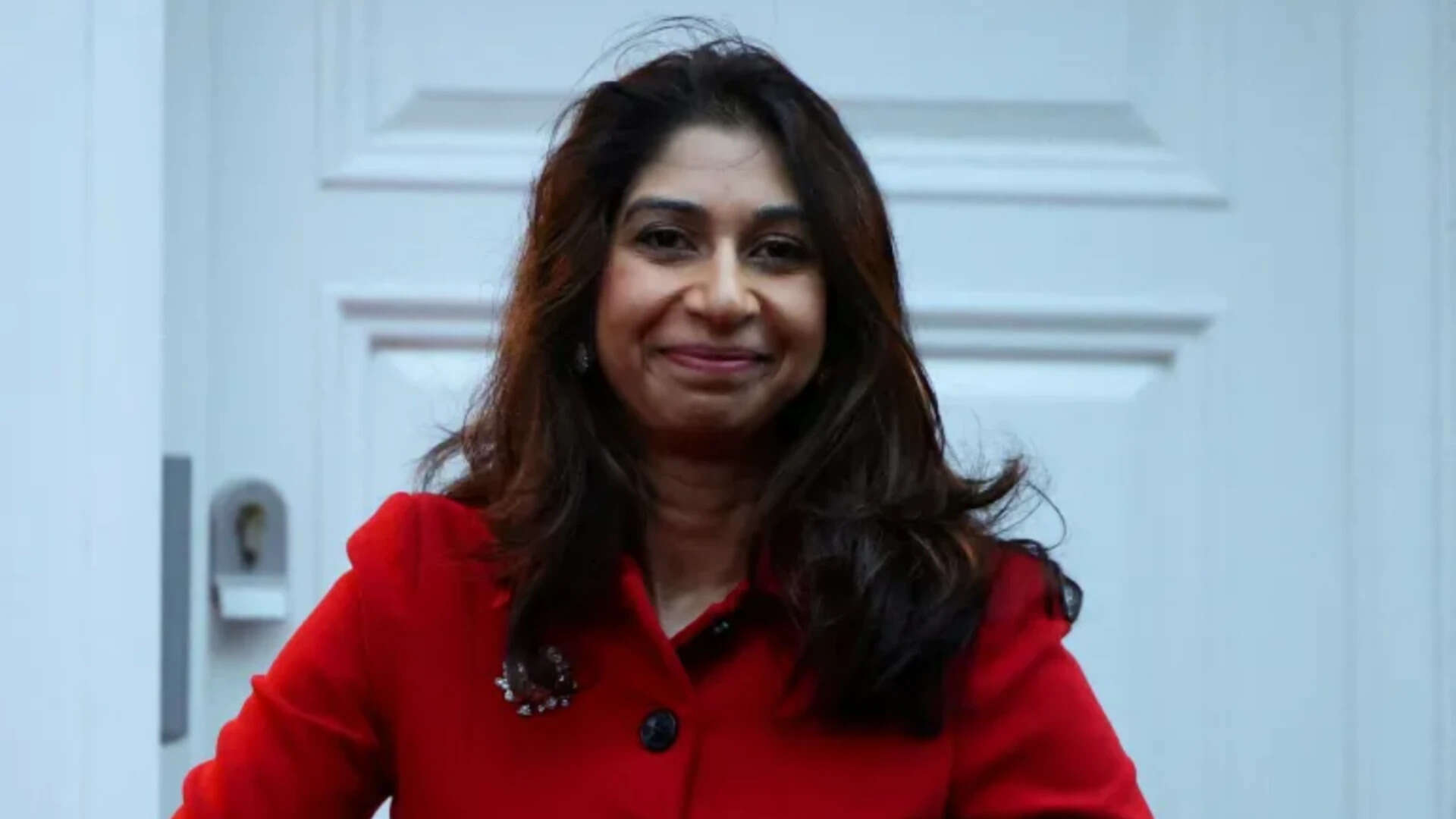
The response did not come from a silent donor. It came from Lord Karan Bilimoria, a titan of British industry and a prominent British-Indian voice in the House of Lords. His advice was stripped of all diplomatic padding.
"Don’t bring your husband," he told her.
It was a cold splash of water in a heated room. To some, it was a pragmatic truth about the tightening belt of British immigration policy. To others, it felt like a betrayal of the very cultural values of family and support that many immigrants carry as their only true North Star.
The Invisible Math of the Modern Student
The UK’s relationship with international students has always been a transaction of high stakes and higher costs. For decades, the deal was clear: bring your brilliance, pay your exorbitant international fees, and we will provide the prestige of a British degree. For many, that deal included the right to bring a spouse or children—the "dependents" who turn a solitary academic pursuit into a family investment.
But the math changed.
Recent policy shifts have essentially slammed the door on dependents for most international postgraduate students. The government’s logic is built on numbers—specifically, the net migration figures that haunt every election cycle. They see a "backdoor" to residency. They see a strain on public services. They see data points.
Lord Bilimoria, however, wasn't just talking about visas. He was talking about the brutal reality of the British economy in 2026.
Imagine a hypothetical student named Ananya. She arrives in London with a husband who cannot legally work or who struggles to find a foothold in a competitive market. They are sharing a single room in a house with four other strangers. The cost of a liter of milk, a bus pass, and the heating bill for a damp flat starts to eat into the tuition money. The dream of a Master’s degree becomes a nightmare of debt and domestic strain.
Bilimoria’s stance is rooted in a hard-earned understanding of the UK’s cost-of-living crisis. His point is that the UK is no longer a place where one can "get by" on a whim. To bring a family member without a guaranteed second income or massive savings is to invite a level of poverty that can derail an education entirely.
The Cultural Friction
There is a specific sting when this advice comes from a figure like Bilimoria. As a founder of Cobra Beer and a man who has navigated the heights of both business and politics, he represents the pinnacle of the "immigrant success story." In the British-Indian community, there is often a deep-seated belief in the collective. Success isn't individual; it belongs to the family.
When a politician says "leave your husband behind," it sounds like a rejection of that collective soul. It suggests that to succeed in the West, one must adopt the West’s fierce, sometimes lonely, individualism.
But consider the alternative. The UK’s Graduate Route visa, which allows students to stay and work for two years after their studies, is under constant scrutiny. The political climate is chilling. By bringing a dependent, a student increases their "visibility" to the Home Office. They become a larger footprint in a system that is currently trying to shrink its shoes.
The advice, while harsh, reflects a shift from "How do I get there?" to "How do I survive once I arrive?"
The Broken Bridge
The crowdfunding student’s plea is a symptom of a much larger rot. Higher education has become one of Britain's most successful exports, but it is being sold at a price that the middle class of the Global South can no longer afford without radical measures.
We are witnessing a decoupling of the student experience from the human experience. We want the tuition fees, but we don't want the people. We want the "brightest and best," but we want them to be unattached, mobile, and modular. We want workers and learners, not neighbors and families.
This creates a psychological burden that no textbook can prepare a student for. The isolation of international study is already a well-documented crisis. Taking away the one person who provides emotional stability—a spouse—is a recipe for a mental health collapse.
Yet, the pragmatic argument holds a mirror to the reality of the streets of Birmingham, Manchester, and London. Rental prices have surged to heights that make even the well-employed weep. Food inflation remains a stubborn ghost. A student trying to support a non-working partner is often one broken boiler or one missed shift away from total catastrophe.
The Choice No One Wants to Make
The debate isn't really about a single student on a fundraising site. It’s about the soul of international exchange. If we make it impossible for people to bring their lives with them, we ensure that only the ultra-wealthy—those who can afford two households or who have no need for a spouse's income—can access the "global" education we boast about.
We are creating a tiered system of ambition.
Lord Bilimoria’s intervention was a "tough love" moment that went viral because it touched the raw nerve of the British identity crisis. Are we a welcoming hub of global talent, or are we a gated community that is currently over-capacity?
The student in the story represents thousands. They are people standing at a crossroads, holding a dream in one hand and a marriage certificate in the other, realizing for the first time that the world might only have room for one.
The silence after such a public rebuke is the loudest part of the story. It’s the sound of a dream being recalculated. It’s the sound of a young woman wondering if a degree is worth a year of dinners eaten alone via a WhatsApp video call. It’s the sound of a country deciding that the "human element" is a luxury it can no longer afford to import.
The blue light of the laptop eventually fades. The tab is closed. The fundraiser remains underfunded. And the border, invisible yet invincible, grows just a little bit taller.