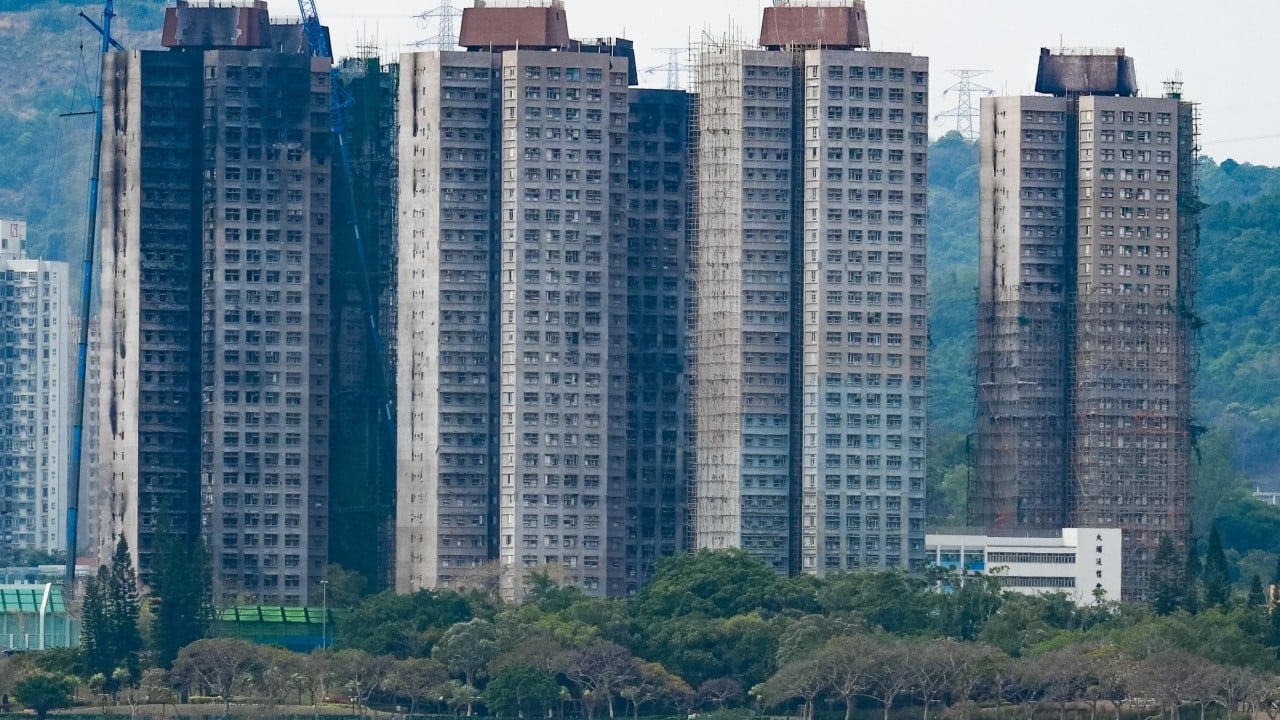
The sheer scale of the HK$530 million figure raised by the Hong Kong Red Cross following the Tai Po fire serves as a jarring testament to the city's private wealth and its reflexive generosity. However, while the headline suggests a triumph of philanthropy, the reality on the ground in the New Territories reveals a massive disconnect between the sudden influx of capital and the glacial pace of actual recovery for the displaced. Money is rarely the bottleneck in Hong Kong disaster relief. The true obstacle is a rigid bureaucratic framework that struggles to distribute funds with the same speed at which they are donated.
The Friction of Accountability
When half a billion dollars hits a charitable account overnight, the immediate instinct of the public is to expect an immediate transformation of the disaster site. It doesn't happen that way. The Hong Kong Red Cross operates under a microscope of audit culture that often prioritizes fiscal vetting over urgent human need. For the residents of the Tai Po blaze—many of whom lost not just property but the informal documents required to prove residency—the path to this HK$530 million is blocked by a wall of paperwork. Discover more on a connected subject: this related article.
The organization finds itself in a classic institutional trap. If they move too fast and a few thousand dollars go to an ineligible claimant, they face a PR nightmare regarding "mismanagement" of public funds. If they move at their current methodical pace, the victims remain in temporary government housing, surviving on vouchers while a massive war chest sits in a high-interest bank account.
This isn't just about administrative caution. It is a fundamental design flaw in how we handle catastrophe. The city is excellent at the "ask"—the emotional appeal that opens wallets—but it lacks a streamlined "spend" mechanism that bypasses the standard three-month verification cycle. Further analysis by BBC News delves into related views on this issue.
Land Use and the Hidden Costs of Rebuilding
The fire in Tai Po did more than burn down structures; it exposed the precarious nature of land rights in the New Territories. A significant portion of the affected area involves complex "brownfield" sites and informal housing arrangements that have existed for decades. When the Red Cross allocates funds for "rebuilding," they aren't just buying bricks and mortar. They are entering a legal minefield.
Many of the displaced residents do not own the land they lived on. They operated under ancestral leases or informal agreements that the fire effectively incinerated. If the Red Cross uses donated funds to rebuild on land with disputed titles, they risk subsidizing private landlords rather than helping the victims. This legal ambiguity is why, months after the cameras have left, the charred remains often stay untouched. The money is there, but the permission to use it is stuck in the Lands Department.
The Opportunity Cost of Emotional Giving
There is a psychological phenomenon at play here that industry analysts have long noted. Disasters with dramatic visuals—like the Tai Po fire—command a disproportionate share of the annual philanthropic budget. The HK$530 million figure is an outlier, dwarfing the funds raised for systemic issues like elderly poverty or mental health services which, statistically, claim more lives in the long run.
By flooding a single event with such an immense volume of cash, the public creates a surplus that the Red Cross cannot realistically spend on "emergency relief" alone. We have seen this before. Following major global disasters, charities often end up "reprogramming" funds for long-term projects that donors didn't necessarily sign up for.
In Tai Po, we are looking at a surplus that could theoretically fund fire prevention across the entire district for a decade. Yet, the narrow mandate of "affected residents" means the money is restricted. It is a gold-plated cage for capital.
Beyond the Voucher System
Currently, the relief effort relies heavily on immediate cash grants and basic necessity vouchers. While these are vital in the first 72 hours, they do nothing to address the permanent loss of livelihood. A veteran journalist looking at the ledgers would ask why the Red Cross hasn't pivoted toward a micro-insurance model or a more aggressive legal advocacy role for these tenants.
Instead of just handing out HK$10,000 for "emergency expenses," the scale of this fund allows for a structural intervention. They could be hiring full-time legal teams to fast-track the residency claims of the displaced or underwriting low-interest loans for small businesses that were wiped out in the district. The hesitation to do so stems from a conservative board culture that views "advocacy" as "political," even when it is the only way to make the relief money effective.
The Transparency Deficit
For a donor sitting in a Mid-Levels apartment, the HK$530 million headline feels like a "mission accomplished" moment. For the person sleeping on a cot in a community center, that number is a mockery. The Red Cross needs to move beyond total sum reporting. We need a live, granular dashboard showing exactly how much of that half-billion has actually left their accounts and reached a human hand.
Transparency isn't just about showing the total raised; it’s about showing the velocity of the money. If the velocity is near zero, the donation is effectively a dead asset.
The Tai Po fire was an accident of infrastructure and neglect. The subsequent hoarding of relief funds, however intentional the caution behind it may be, is an accident of policy. We have mastered the art of the donation. Now we need to learn how to actually help.
Demand a public audit of the Tai Po Relief Fund distribution timeline before the next news cycle washes the urgency away.