The morning bell was supposed to mean algebra. It was supposed to mean the scraping of wooden chairs against linoleum floors, the distant, dull chatter of teenagers arguing about weekend plans, and the smell of old paper mixed with floor wax.
Instead, it meant a flash of blue light from a smartphone screen.
In Manila, the classroom is no longer just a room with four walls and a chalkboard. It is a broadcast studio. Every pocket holds a lens. Every hand holds the power to stream a life, or the end of one, directly into the palms of millions who are sitting thousands of miles away, drinking their morning coffee.
We have built a world where tragedy does not wait for the evening news. It arrives unedited. It arrives in real time.
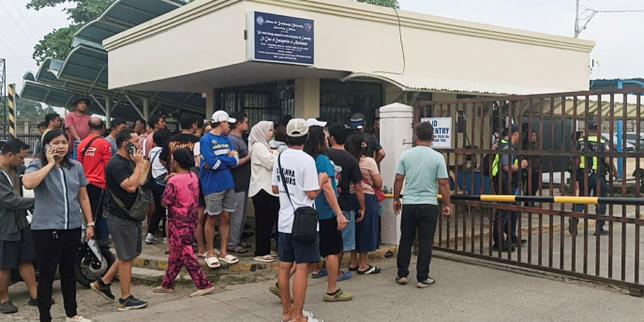
Consider what happened when a lone gunman walked into a high school courtyard in the Philippines, pulling a weapon from beneath a jacket, turning an ordinary Thursday into a nightmare. He did not just commit a crime. He pressed a button. He started a live stream.
Silence.
Then, the sudden, frantic rush of footsteps. The high-pitched, jagged screams of children realizing that the sounds echoing down the hallway were not firecrackers. They were gunshots. And somewhere near the center of the chaos, a device lay propped against a backpack, broadcasting the terror live to an audience that grew by the thousands every single second.
Two people would not survive the morning. Two families would receive phone calls that split their universe into a before and an after. And the shooter, trapped in the architecture of his own horrifying grand finale, turned the weapon on himself before the sirens could even pierce the heavy city air.
Why do we watch?
That is the question that lingers long after the digital feed cuts to black and the phone screen turns into a dark, reflective mirror. We stare because we are wired to rubberneck at wreckage. But more than that, we stare because technology has collapsed the distance between empathy and exploitation.
Imagine sitting in a quiet apartment in Chicago or Paris, scrolling through a social media feed out of sheer boredom. A video pops up. The thumbnail is grainy, chaotic, raw. There is no warning label that prepares you for the human cost of a live-streamed atrocity. By the time you realize what you are looking at, you are already hooked. You are trapped in the morbid gravity of the event. You watch because looking away feels like abandoning someone in need, yet looking closer feels like a violation of the dead.
This is the psychological tax of the hyper-connected era.
For decades, school safety was discussed in terms of metal detectors, locked doors, and police response times. We debated policy in air-conditioned legislative chambers. We argued over gun control, mental health funding, and perimeter security. Those debates matter. They are vital. But they completely miss the new contagion.
The contagion is digital.
When a violent act can be instantly beamed to a global audience, the attacker is no longer just a criminal. They are a performer seeking an immortal, grotesque legacy. The live stream transforms a local tragedy into an international spectacle. It offers a twisted form of fame to the desperate and the broken, turning their final, destructive acts into viral content.
The human brain was never designed to process this volume of horror in real time.
Generations ago, grief was local. It was shared among neighbors, held within the confines of a community that could gather, mourn, and slowly begin the long work of healing. Today, grief is crowdsourced. It is dissected by strangers in comment sections. It is judged, mocked, analyzed, and forgotten within forty-eight hours as the algorithm rolls on to the next piece of breaking outrage.
We are numbing ourselves to the sound of breaking glass and shattering lives.
Step back into that classroom for a moment. Strip away the cameras, the metrics, and the global commentary. Look at the teacher who instinctively threw her desk against the door. Look at the students huddled beneath their desks, clutching their phones not to call for help, but to send frantic, terrified final text messages to their mothers.
I love you.
Four words typed with trembling thumbs. Four words sent into the digital ether, hoping against hope that they would cut through the noise of the world.
That is the true core of this tragedy. It is not the geopolitical implications. It is not the policy failures of school boards or the algorithm design of social media giants. It is the raw, agonizing vulnerability of a human being realizing that their story might end on a cracked smartphone screen watched by indifferent strangers.
We cannot legislate away the darkness in human hearts. We cannot code a filter that entirely stops a troubled mind from reaching for a weapon. But we can change how we respond to the spectacle. We can starve the broadcast of its oxygen.
When the live stream ended in Manila, the internet did what it always does. It clipped the worst moments. It re-uploaded the footage. It sought out names, motives, and background details, turning a human catastrophe into a case study.
We must refuse to look away from the victims while refusing to look toward the monster.
The victims had names, families, favorite songs, and quiet dreams that extended far beyond the brick walls of that high school. They were daughters, sons, friends, and students. They were sitting at their desks waiting for algebra.
The screen goes dark. The room is quiet again. The dust motes dance in the shaft of morning light cutting through the window, indifferent to the history that was just written on the floor below.