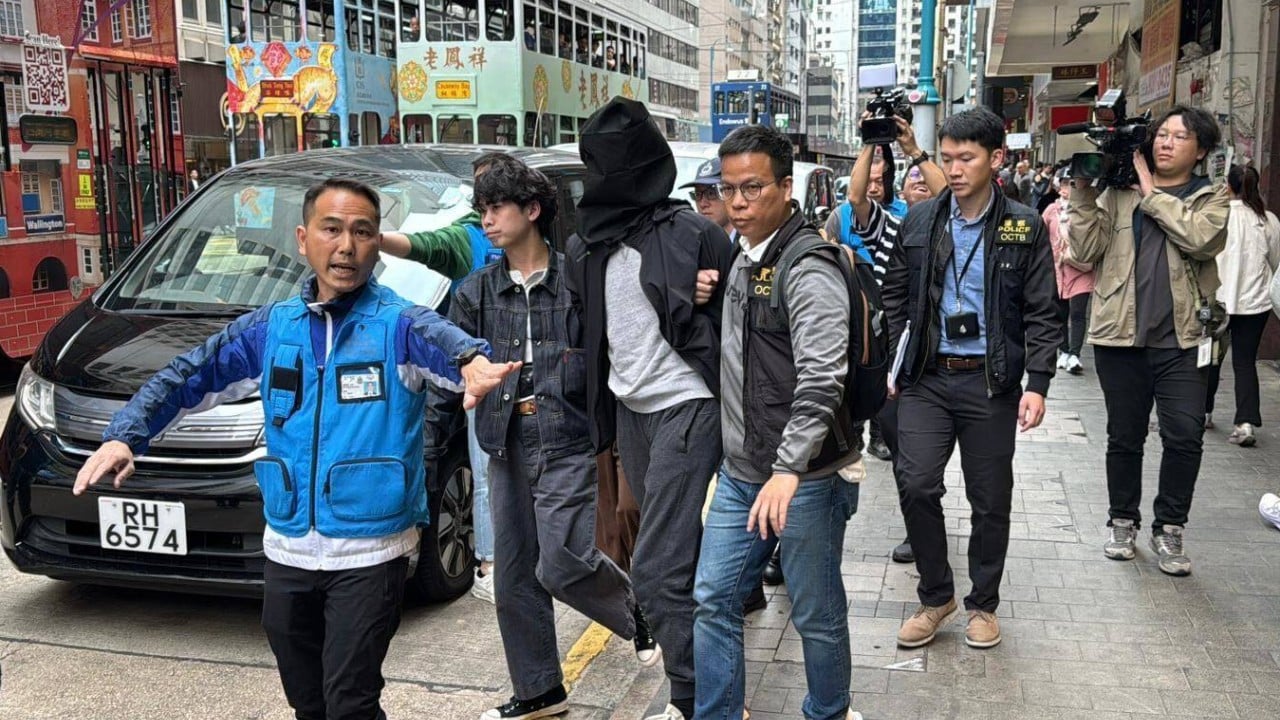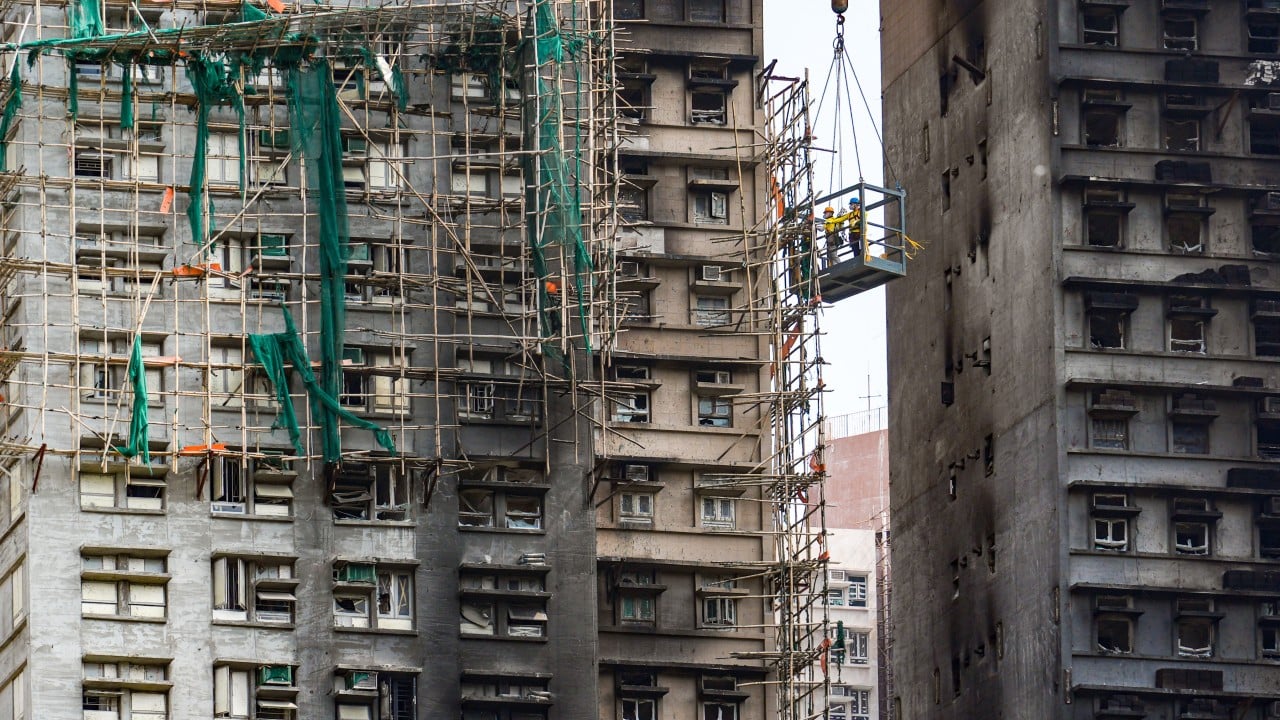
The recent arrest of three workers in connection with a HK$90,000 jewelry theft at a Tai Po fire-damaged residential block is more than a simple local crime story. It exposes a systemic failure in how Hong Kong manages the security of properties in the wake of disasters. While the headlines focus on the arrests, the real story lies in the breakdown of the chain of custody for private property when the state or its contractors take control of a crime scene. When a building burns, the owners lose more than their peace of mind. They lose the ability to protect their most intimate belongings, relying instead on a patchwork of temporary laborers and minimal oversight.
On the surface, the facts provided by the authorities are straightforward. Three men, aged between 25 and 36, were detained after jewelry was reported missing from a unit in a building that had recently suffered a significant fire. The suspects were not random burglars off the street. They were individuals with legitimate, or at least documented, access to the site. This detail changes everything. It shifts the narrative from one of external threat to internal vulnerability.
The Illusion of Post Disaster Security
When a residential block in a district like Tai Po is cordoned off due to a fire, the police and fire services create a "sterile" environment. In theory, this protects the evidence and ensures public safety. In practice, it creates a vacuum. Residents are evacuated, often with nothing but the clothes on their backs. Their valuables—gold, watches, heirlooms—remain behind in charred rooms that are suddenly accessible to a revolving door of inspectors, structural engineers, and cleanup crews.
The theft of HK$90,000 in jewelry suggests that the perpetrators had the time and the privacy to search through the wreckage. This was not a "smash and grab" operation. It was a crime of opportunity facilitated by a lack of rigorous onsite monitoring. In the chaos of post-fire recovery, the focus is almost exclusively on structural integrity and the restoration of utilities. Personal property protection often falls through the cracks of departmental responsibility.
The Subcontracting Trap
One of the most significant risks in Hong Kong’s construction and restoration industry is the layers of subcontracting that define every project. A government department or a building management office hires a primary contractor. That contractor hires a sub-contractor, who may then hire "day players" or casual laborers to handle the heavy lifting. By the time a worker enters a fire-damaged unit, they may be four or five degrees of separation away from the entity that actually holds the insurance and the legal liability.
This hierarchy makes vetting nearly impossible. While the primary firm might have a sterling reputation, the individual swinging the sledgehammer or clearing the debris might have been hired via a WhatsApp group just that morning. When a theft occurs, the finger-pointing begins. The primary contractor blames the sub-contractor, who in turn claims the worker was a "rogue element." Meanwhile, the victim is left navigating a bureaucratic nightmare to claim compensation that rarely covers the sentimental or market value of what was lost.
Why Forensic Guarding is Failing
In high-value industries, we use the term "forensic guarding" to describe the protection of assets during a crisis. In the context of a Tai Po fire block, this should involve body cameras for all workers entering private units, a strict "two-person rule" for access, and mandatory bag checks upon exiting the site. These measures are rarely implemented in residential recovery because they are seen as too expensive or too slow.
The HK$90,000 seized by police serves as a grim reminder that for some, the risk-reward calculation of theft is skewed in favor of the crime. If a worker believes there is a high probability that a missing ring will be blamed on the fire itself—claimed to have been "melted" or "lost in the rubble"—the incentive to steal is high. It was only through the vigilance of the owners or a specific tip-off that this particular case resulted in arrests. One has to wonder how many smaller items go missing from fire sites across the city and are simply written off as "incidental losses" by grieving families.
The Role of Building Management
Building Management Offices (BMOs) and Incorporated Owners (IOs) bear a heavy burden that they are often ill-equipped to handle. Most BMO staff are trained to manage daily garbage collection and parking disputes, not the security of a multi-million dollar recovery site. When the fire engines leave, the BMO is often the one left to decide which contractors get access and when.
There is an urgent need for a standardized protocol that mandates a police presence or a third-party, bonded security firm to oversee all cleanup activities in private residences. Relying on the "honor system" among low-wage laborers in a high-stress environment is a recipe for the exact type of incident we saw in Tai Po.
Legal and Financial Aftermath
For the victims, the arrest of the three workers is only the beginning of a long road. Recovery of the physical jewelry is a stroke of luck, as these items are often sold to pawn shops or melted down within hours. However, the legal process will likely focus on the criminal act of the individuals rather than the negligence of the firms that employed them.
From a business perspective, this incident should serve as a wake-up call for the insurance industry. If insurers begin to demand higher security standards for "loss of property" coverage during building repairs, the industry will be forced to change. Until then, the cost of theft is effectively being externalized onto the residents.
Accountability Beyond the Arrest
While the police deserve credit for the swift recovery of the seized goods, the focus must now shift to the companies that provided these workers. Were there background checks? Was there a supervisor present? Why was it possible for HK$90,000 worth of goods to be removed from the site without detection?
These are the questions that the authorities and the public must demand answers to. We cannot treat this as an isolated case of "three bad apples." It is a symptom of a casual approach to site security that treats a person's home like a construction zone the moment a tragedy occurs. The sanctity of the home does not end when the fire starts, and the responsibility to protect it does not vanish when the resident is forced to leave.
The next time a building in Hong Kong faces a disaster, the priority must be a transparent and logged entry system for every person who steps over the threshold of a private flat. Anything less is an invitation for the opportunistic theft that has now become a stain on the Tai Po recovery efforts. Property owners should demand a manifest of every worker assigned to their floor and refuse entry to any firm that cannot provide a bonded guarantee of their staff's integrity.