The fragile peace in the Middle East just went up in smoke, and it happened in the exact place everyone feared. Early Sunday morning, a massive wave of US airstrikes pounded Iran, hitting over 140 targets across the country. This wasn't a random escalation. It was a direct response to an Iranian strike on a Cyprus-flagged container ship in the Strait of Hormuz that left the vessel ablaze and a crew member missing.
If you thought the situation would calm down after the American bombs dropped, you're mistaken. Tehran didn't back away. Instead, they expanded the battlefield by launching retaliatory missile and drone attacks against neighboring Arab states, including Bahrain, Kuwait, Qatar, Jordan, and Oman. We're now watching a dangerous, multi-nation escalation that threatens to permanently derail the interim truce signed back in mid-June.
The Anatomy of the Escalation
This whole mess started unraveling earlier in the week when Iran attacked three commercial vessels navigating a southern route near Oman. The container ship hit over the weekend was just the final straw. The Islamic Revolutionary Guard Corps claims these ships violated maritime regulations by using unauthorized routes. To the rest of the world, it looks like a blunt extortion play for regional dominance.
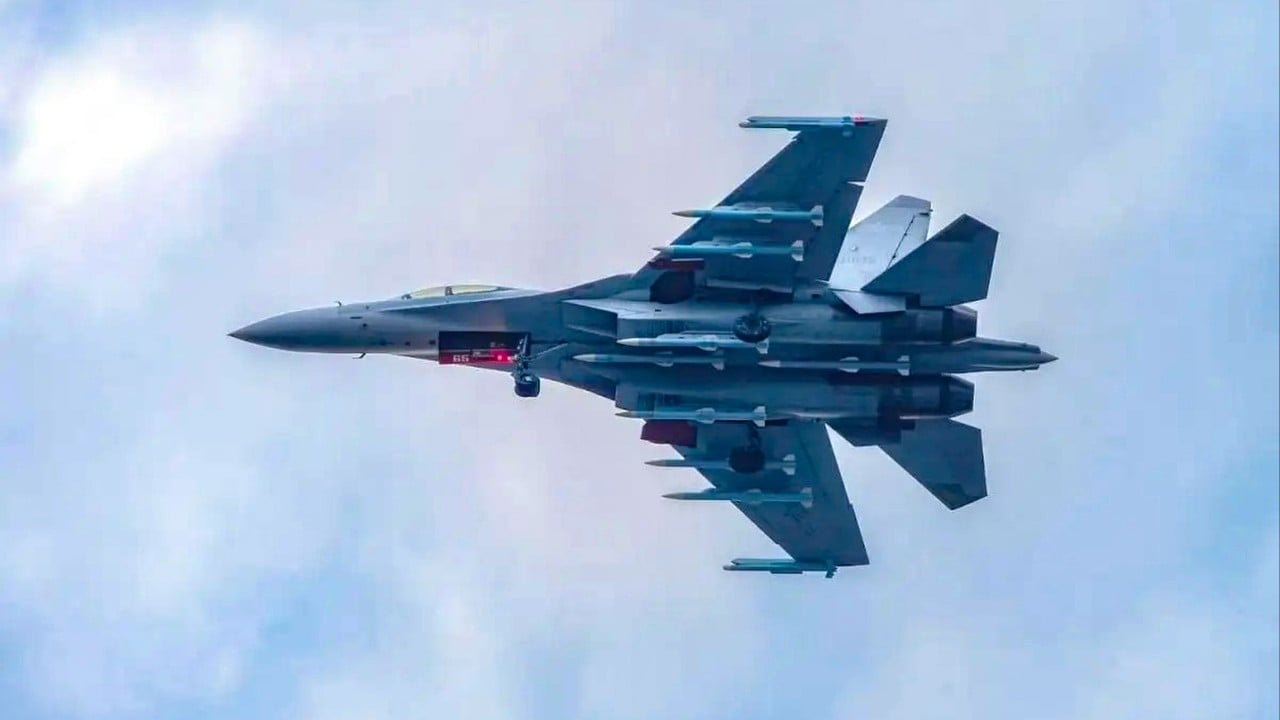
The US military response was heavy. US Central Command targeted missile launch pads, drone facilities, command centers, and ammunition dumps. President Donald Trump didn't mince words, telling reporters the US hit them incredibly hard after a drone strike disrupted what was supposedly a near-deal on Saturday. Defense Secretary Pete Hegseth added a blunt warning online, stating simply that Iran made a poor choice.
The real surprise wasn't the US strikes. It was how Iran chose to push back.
Rather than engaging the American Navy directly, Tehran launched projectiles at Gulf Arab nations that host US military bases. Missile sirens wailed in Bahrain, home to the US Navy’s Fifth Fleet. Kuwait reported damage to three northern land border posts and an offshore oil drilling platform. In Qatar, falling shrapnel from an interception wounded three people, including a child. Even Oman, which had just hosted Iranian negotiators the day before, saw drone strikes hit its northeastern coast.
Why the Strait of Hormuz Changes Everything
You can't understand this conflict without looking at a map. The Strait of Hormuz is the world's most critical energy chokepoint. Before this war broke out on February 28, roughly a fifth of global oil and natural gas flowed through this narrow strip of water.
Iran now declares the strait closed until further notice. They want total control over the traffic, and they want the power to charge vessels for passage. The US and its allies say the waterway remains open to international shipping, pointing out that over 140 ships transited safely over the past week. But "open" is a relative term when commercial crews are literally abandoning burning ships.
While global oil prices have dipped from their wartime highs of $120 a barrel, a prolonged closure of Hormuz will trigger a massive global supply shock. Insurance premiums for commercial shipping in the Gulf are skyrocketing, and many companies are already weighing the massive cost of rerouting ships completely around Africa.
The Broken Truce and What Happens Next
We are currently sitting right at the midway point of a 60-day interim deal meant to forge a permanent end to the war. That deal is now in tatters. Diplomatic efforts are still happening in the background—an Iranian delegation even traveled to Oman for mediated talks—but the political rhetoric tells a different story.
Iran's parliament speaker, Mohammad Bagher Qalibaf, made it clear that Tehran views the era of one-sided deals as over. On the flip side, Trump previously warned that 1,000 missiles are locked and loaded if Iran takes another step forward.
What makes this iteration of the crisis so volatile is the breakdown of regional neutrality. Oman just took the unprecedented step of summoning the Iranian ambassador to protest the strikes, labeling Iran's behavior irresponsible. When historically neutral mediators like Muscat start losing patience, you know the diplomatic floor is caving in.
If you are tracking global markets or supply chains, the next 48 hours are critical. Watch for whether regional air defenses in Qatar and the UAE continue to see live engagements, and look closely at whether shipping giants officially halt all bookings through the Gulf. The window for a diplomatic off-ramp is closing fast, and right now, neither side looks willing to blink first.