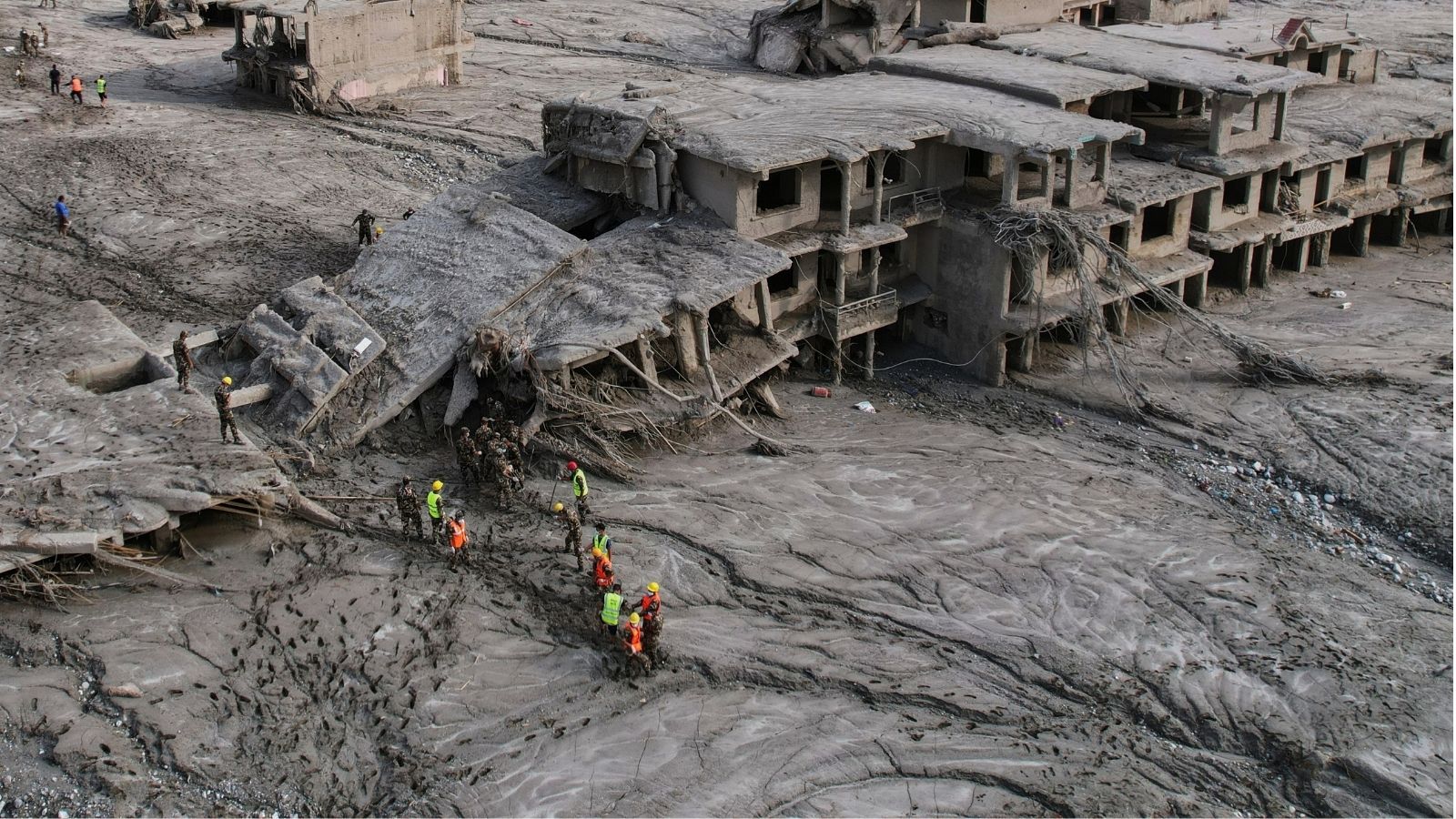
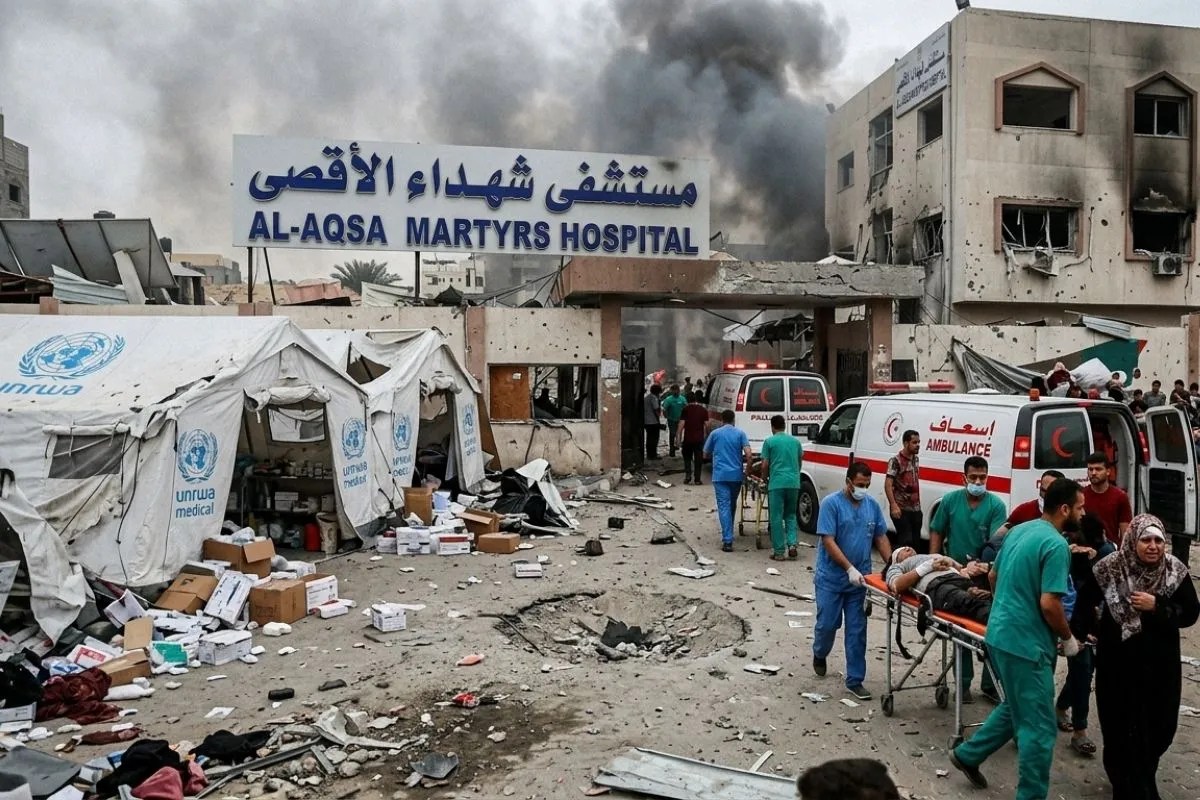
Another hospital ward burns. Another fourteen infants die. Another ritual sacrifice of low-level bureaucrats follows.
The standard script plays out across global media with predictable monotony. Headlines scream about suspensions, arrests, and sternly worded governmental inquiries. Editorial boards demand stricter oversight, better compliance manuals, and higher safety budgets. Everyone nods solemnly, accepts the lazy consensus that a few negligent clerks caused the catastrophe, and waits for the next fire to prove them wrong.
I have walked through these public health facilities after the smoke clears. I have watched inspectors wave compliance certificates past rotting electrical trunks because the signature looked official on paper.
Suspending eight hospital officials for a fatal neonatal ward fire is not accountability. It is a mass distraction ritual designed to protect a broken architecture from structural reality.
The Comforting Lie of Bad Apples
We prefer our disasters to have villains. It is psychologically comforting to believe that a tragedy like a hospital fire is the exclusive product of human malice, operational laziness, or individual negligence. If eight clerks or junior administrators simply remembered to check a breaker or enforce a protocol, fourteen babies would still be breathing.
This is a soothing fairy tale. It allows the system to survive by amputating its extremities to save the head.
When you investigate public infrastructure failures across developing medical sectors, you find something far more terrifying than a corrupt clerk: you find functional design working exactly as intended. The system did not fail because individuals neglected their duties. The system succeeded in producing a predictable catastrophe given the impossible constraints placed upon it.
Imagine a scenario where an administrator is handed a budget that covers thirty percent of baseline operational costs, an electrical grid designed for mid-century lightbulbs now powering modern incubators, and a ministerial mandate to never turn away a patient. That administrator is not a criminal. They are a human shock absorber, taking the force of systemic contradictions until something snaps.
The Compliance Illusion
The mainstream reaction to these tragedies always demands more rules. More forms. More oversight committees. More ink on paper.
This is like trying to fix a sinking ship by rewriting the passengers' seating chart.
Paperwork does not conduct electricity. Bureaucratic checklists do not replace frayed, thirty-year-old aluminum wiring hidden behind asbestos-laden plaster walls. When an institution lacks the capital, the engineering talent, or the supply chain integrity to maintain basic physical safety, adding another layer of administrative compliance acts as a tax on competence.
I have seen chief medical officers spend forty percent of their working hours filling out compliance reports for international donor agencies while the oxygen lines down the hall leak flammable gas. The obsession with regulatory theater crowds out actual engineering.
We measure safety by the thickness of the binder rather than the integrity of the ground wire. Every new regulation added to a structurally bankrupt hospital is just another administrative burden pushed down onto staff who are already rationing gauze and reusing disposable syringes.
What Real Reform Looks Like
If we want to stop reading about dead infants in the news, we have to abandon the comforting fiction of administrative punishment and confront the boring, unsexy mechanics of material infrastructure.
First, stop firing the middle management. When a system breaks under chronic underfunding, replacing the scapegoat only ensures the next person inherits the exact same trap. It creates a culture of extreme risk aversion where officials hide hazards rather than report them, knowing their neck is on the block the moment an inevitability occurs.
Second, decouple hospital accreditation from political patronage. In most public health sectors, facility budgets are distributed based on political loyalty rather than electrical load calculations or fire suppression readiness. Until capital allocation is tied strictly to hard engineering audits rather than bureaucratic discretion, wards will continue to burn.
Third, embrace radical transparency about structural deficits. If a neonatal unit cannot pass a baseline industrial fire safety test, it must be shuttered immediately, regardless of political fallout. The current practice of keeping structurally lethal facilities open because closing them looks bad on a political scorecard is a form of institutional manslaughter.
The eight suspended officials are back home tonight, wondering how their careers evaporated for crimes of proximity. Meanwhile, the wiring behind the walls of a thousand similar wards continues to heat up, waiting for the next spark.
Punishing the scapegoats is easier than fixing the grid. And that is why the smoke will rise again.