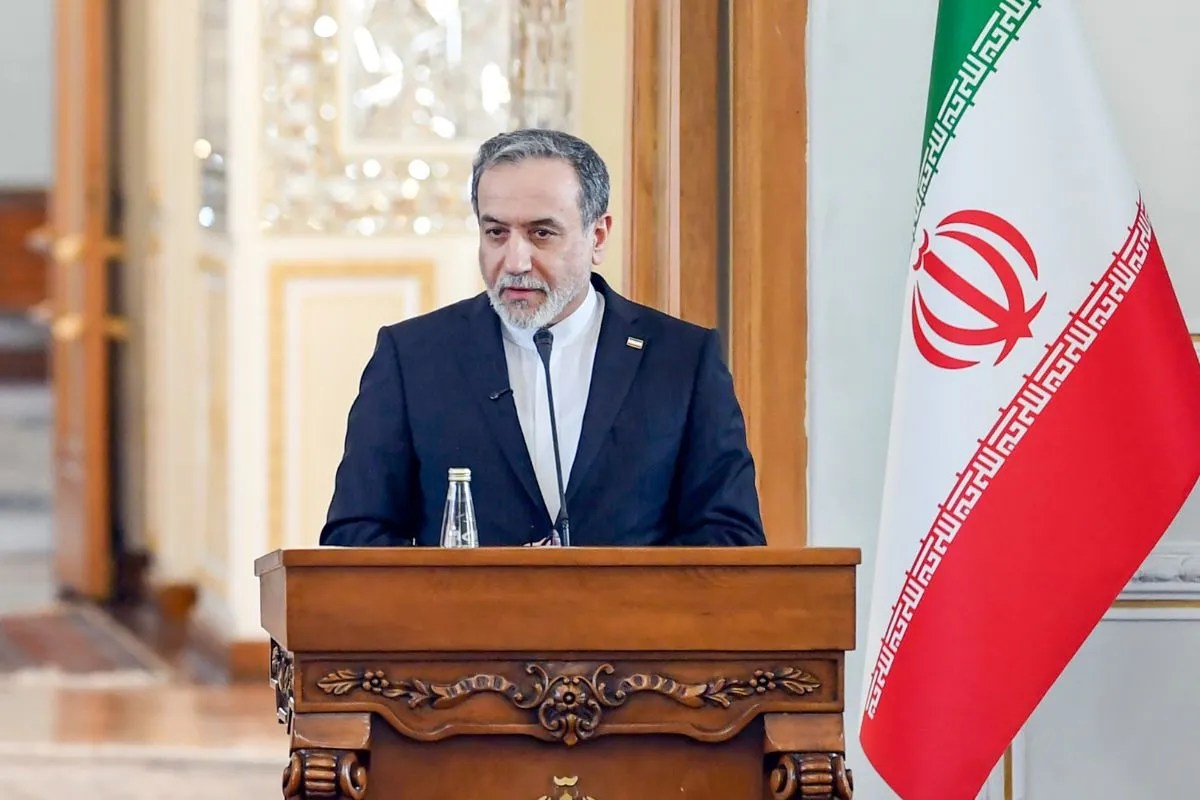
The maritime corridor of the Persian Gulf is once again the stage for a high-stakes game of chicken. Following a series of escalations in the Middle East and renewed rhetoric from a returning Trump administration, Iran has issued its most blunt warning in years. The message from Tehran is simple. If Iranian oil exports are blocked through sanctions or military interdiction, the rest of the world will not be allowed to move a single drop of crude through the Strait of Hormuz.
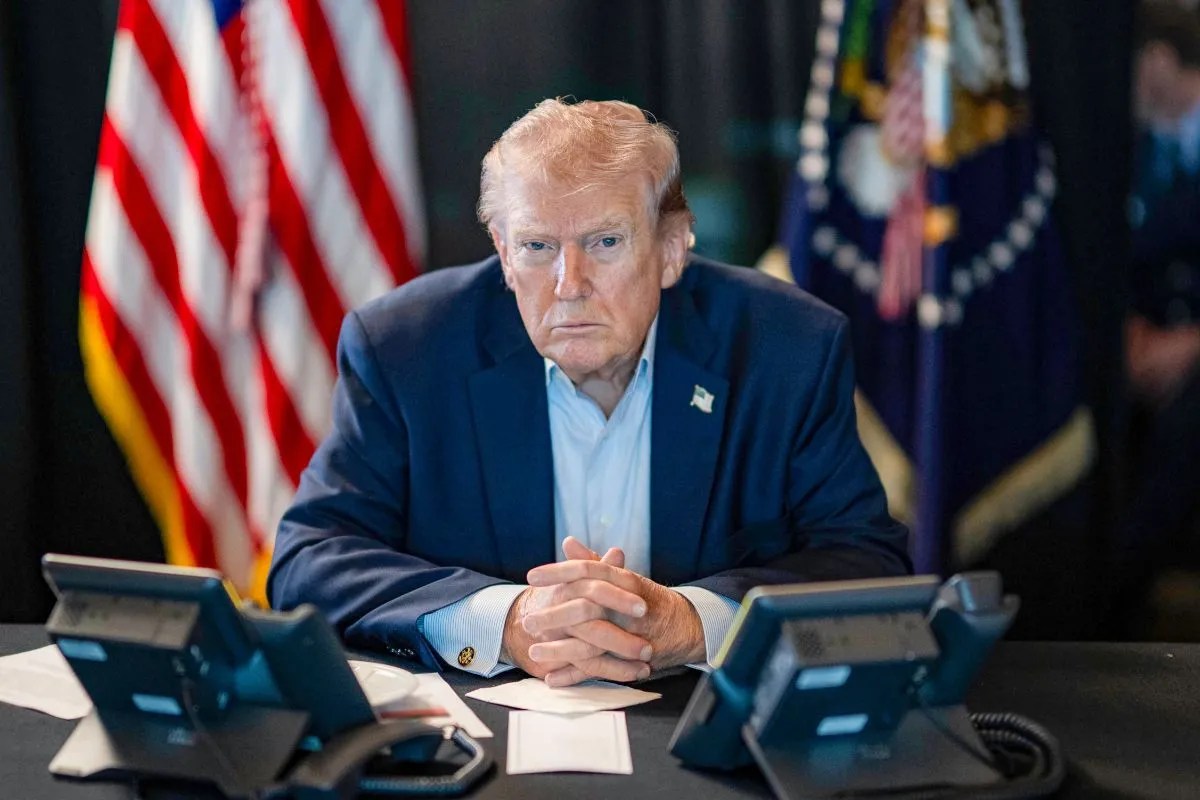
This is not a new script, but the actors have changed their level of desperation. Iran currently faces an economy tethered to its ability to bypass Western restrictions. For the United States, the return of Donald Trump signals a shift back to "maximum pressure," a policy designed to bankrupt the Islamic Revolutionary Guard Corps (IRGC) by cutting off their primary source of hard currency. When Tehran claims they will not let a "liter of oil" pass, they are targeting the primary artery of the global energy trade. Nearly 20% of the world’s daily oil consumption passes through this narrow waterway. Any sustained disruption would send prices soaring past $150 a barrel, triggering a global inflationary shock that few economies are prepared to absorb.
The Mechanics of a Maritime Blockade
Tehran does not need a conventional navy to execute this threat. The Iranian strategy relies on asymmetric warfare. They have spent decades perfecting the use of fast-attack boats, naval mines, and shore-based anti-ship missiles. The IRGC Navy (IRGCN) operates differently than the regular Iranian Navy. They are a paramilitary force designed for hit-and-run tactics in the shallow, congested waters of the Gulf.
A single well-placed mine or a swarm of explosive-laden drones can shut down commercial shipping for weeks. Insurance companies, sensitive to even the slightest hint of risk, would immediately hike premiums to "war zone" levels. This effectively creates a blockade without Iran having to fire a shot at every passing tanker. The mere threat of a strike is often enough to divert traffic and freeze the market.
Why the Maximum Pressure Strategy Is Reaching a Breaking Point
The previous Trump administration’s withdrawal from the JCPOA nuclear deal set this collision course in motion. By re-imposing secondary sanctions, the U.S. forced traditional buyers like Japan, South Korea, and India to stop purchasing Iranian crude. However, the world has changed since 2018. China has emerged as the ultimate "black market" buyer, utilizing a "ghost fleet" of aging tankers that operate under flags of convenience with their transponders turned off.
If the incoming U.S. administration chooses to target these specific Chinese transactions or the physical vessels transporting the oil, Iran loses its last major lifeline. This is where the "zero oil" threat becomes a survival mechanism. For the leadership in Tehran, an environment where they cannot sell oil is an environment where they have nothing left to lose. In geopolitical terms, a desperate adversary is a dangerous one.
The Intelligence Gap and the Risk of Miscalculation
Washington frequently views Iranian threats as domestic propaganda designed to appease hardliners. This is a dangerous assumption. While Iran’s rhetoric is often hyperbolic, their kinetic actions in the Gulf over the last five years show a consistent willingness to escalate when squeezed. The seizure of the Stena Impero and the drone strikes on Saudi Arabia’s Abqaiq processing plants proved that Tehran can hit the global energy infrastructure with precision.
There is a significant risk of miscalculation on both sides. The U.S. may believe that Iran is too weak to risk a direct military confrontation. Meanwhile, Iran may believe that the U.S. public has no appetite for another Middle Eastern war and will therefore blink first. Both are gambles. If a U.S. Navy destroyer is hit, or if an Iranian oil terminal is leveled, the cycle of retaliation will move faster than diplomats can track.
The Global Economic Fallout
A closure of the Strait of Hormuz is the "nuclear option" of economics. Unlike a temporary spike caused by a pipeline leak or a refinery fire, a blockade in the Gulf removes millions of barrels of supply with no immediate alternative. Saudi Arabia and the UAE have some pipelines that bypass the Strait, but these cannot handle the full volume of regional exports.
Western consumers would feel the impact at the pump within 48 hours. However, the deeper damage would be to the industrial sectors of Europe and Asia. Factories in Germany and electronics hubs in China rely on stable energy prices to maintain margins. A $50 jump in the price of crude would translate into a massive spike in shipping costs for every consumer good on the planet.
Proxy Wars and the Mediterranean Front
The tension is not confined to the Gulf. Iran’s influence extends through its "Axis of Resistance," including Hezbollah in Lebanon and the Houthis in Yemen. We have already seen the Houthis effectively disrupt Red Sea shipping using low-cost Iranian technology. If the U.S. moves to tighten the noose on Iranian oil, we should expect a multi-theater response.
The Houthis can continue to harass the Bab el-Mandeb strait, while Hezbollah creates friction on Israel’s northern border. This forces the U.S. military to spread its assets thin, protecting multiple maritime choke points simultaneously. It is a strategy of exhaustion. By making the cost of sanctions higher than the benefit, Iran hopes to force a return to the negotiating table on their own terms.
The Shadow of Energy Independence
A common counter-argument is that the United States is now a net exporter of oil and gas, making it immune to Middle Eastern instability. This is a fundamental misunderstanding of how the global commodity market works. Oil is a fungible asset. Even if the U.S. produces enough for its own needs, its domestic prices are still tied to the global benchmark. If the price of Brent crude hits $140, the price of West Texas Intermediate (WTI) will follow it upward. The American consumer is not shielded by geography.
Furthermore, the U.S. dollar’s status as the world’s reserve currency is tied to the "petrodollar" system. If major buyers begin looking for ways to settle energy trades in other currencies to avoid U.S. sanctions, the long-term structural power of the Treasury Department begins to erode. This is exactly what China and Russia are encouraging.
Deterrence vs Diplomacy
The coming months will determine if this is a bluff or a blueprint. The U.S. faces a choice: double down on a policy of economic strangulation and risk a regional war, or find a new lane for de-escalation that doesn't look like a retreat.
For Iran, the clock is ticking. Their domestic population is restless, the currency is in freefall, and the aging leadership is facing a succession crisis. They are playing a high-stakes hand with a diminishing stack of chips. When they say they will stop the flow of oil, they are telling the world that they are prepared to burn the house down if they aren't allowed to live in it.
Watch the movement of the U.S. Fifth Fleet and the price of maritime insurance in the coming weeks. Those are the only indicators that matter. Everything else is just noise.