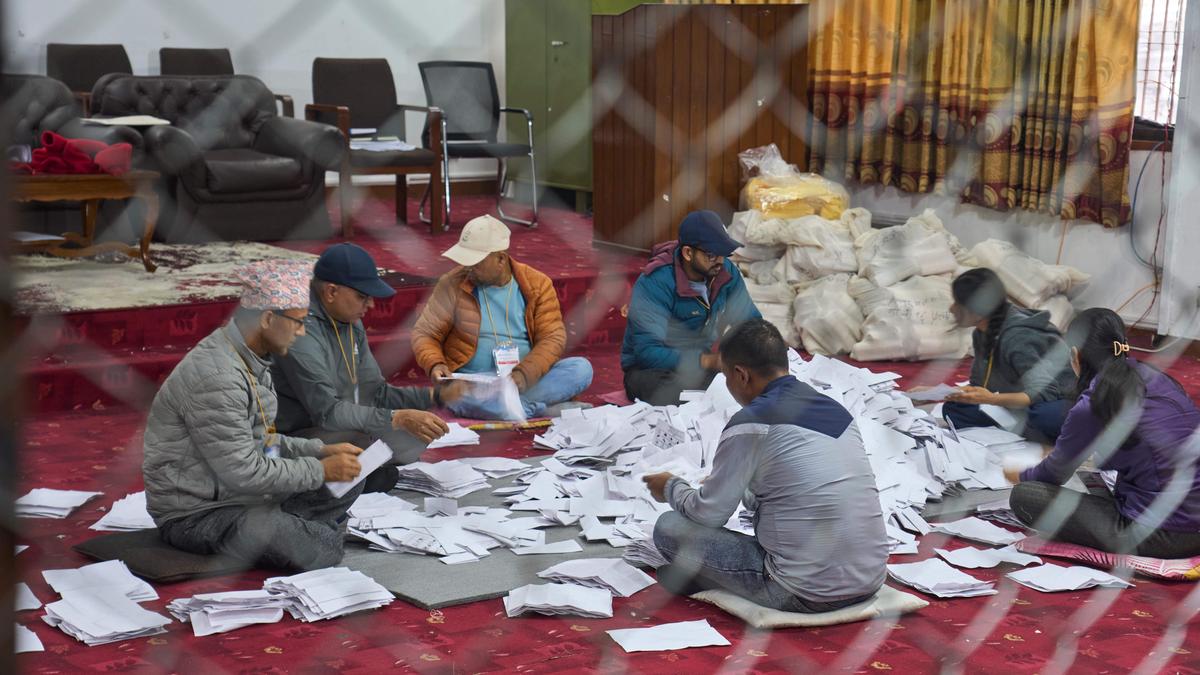
The Rastriya Swatantra Party (RSP) has shattered the traditional power structures of Nepal, securing 125 of the 165 directly elected seats in the House of Representatives as of March 10, 2026. This landslide victory in the first-past-the-post (FPTP) system provides the party with a clear path to form a majority government, effectively ending decades of rotating coalitions between veteran communist and democratic parties. By capturing over 75% of the direct seats, the RSP has not only achieved the 138-seat simple majority threshold when combined with early proportional representation (PR) estimates but is also edging toward a rare two-thirds majority in the 275-member parliament.
The Mechanics of a Political Earthquake
Nepal utilizes a mixed electoral system where 165 members are elected through direct voting and 110 via proportional representation. In previous cycles, this split almost guaranteed a fractured parliament, forcing bitter rivals into "unholy alliances" to reach the magic number of 138. The 2026 results have defied this historical gravity.
The RSP, symbolized by the "bell," managed a clean sweep of the Kathmandu Valley, taking all 15 seats across Kathmandu, Bhaktapur, and Lalitpur. This urban dominance was expected, but the party’s penetration into rural strongholds—long considered the private fiefdoms of the CPN-UML and the Nepali Congress—marks the true shift. In Jhapa-5, a district that has functioned as a fortress for former Prime Minister K.P. Sharma Oli for decades, the 35-year-old RSP prime ministerial candidate Balendra "Balen" Shah secured a crushing victory. Shah, a former rapper and engineer who rose to prominence as the Mayor of Kathmandu, defeated Oli by a margin of nearly 50,000 votes.
Why the Old Guard Collapsed
The collapse of the traditional parties is not a mystery to those who have watched the streets of Kathmandu over the last eighteen months. The Gen Z protests of September 2025, which saw tens of thousands of young Nepalis demand an end to systemic corruption and the lifting of social media bans, acted as the catalyst. The "Blue Wave"—named for the RSP’s primary color—leveraged this energy, positioning itself as a technocratic alternative to the "syndicate" of aging leaders who have occupied the Prime Minister's office in a game of musical chairs since the end of the civil war.
Voter turnout hovered around 60%, a figure that reflects a specific type of electoral fatigue. While the RSP base was highly mobilized, many lifelong loyalists of the Nepali Congress and CPN-UML simply stayed home. They did not necessarily switch sides; they surrendered to the realization that their parties had failed to deliver on basic economic stability or the promised federalist dividends.
Proportional Math and the Two-Thirds Dream
While the direct count is settled, the Election Commission continues to tally the PR ballots. Early data shows the RSP leading the PR count with nearly 5 million votes, suggesting they will secure approximately 50 to 55 additional seats from the nationwide list.
- Direct Seats (FPTP): 125
- Estimated PR Seats: 50–55
- Projected Total: 175–180
A two-thirds majority requires 184 seats. Reaching this milestone would grant the RSP the power to amend the constitution and impeach heads of constitutional bodies without needing a single vote from the opposition. Even if they fall slightly short of that threshold, they are now the undisputed masters of the House.
The New Geopolitical Tightrope
The rise of Balen Shah brings immediate questions about Nepal’s delicate position between India and China. Traditional leaders like Deuba and Oli were known quantities to New Delhi and Beijing, often played against one another in a regional tug-of-war. Shah, conversely, is an outsider who ran on a platform of "National Interest First."
His status as the first Madhesi Prime Minister is significant. It potentially bridges a long-standing internal divide between the plains of the South and the hills of the North, but it also places him under intense scrutiny regarding his relationship with India. His challenge will be to prove that his "independent" foreign policy is more than just a campaign slogan.
The 2026 election was never about policy nuances or ideological debates between socialism and capitalism. It was a referendum on competence and age. By sweeping the old guard into the dustbin of history, the Nepali electorate has placed an immense burden on a four-year-old party with no experience in national governance. The bell has been rung; the harder part will be keeping it from cracking under the weight of expectations.
Would you like me to analyze the projected seat distribution for the remaining minority parties in the 2026 parliament?