In the quiet, wood-paneled rooms where map-makers work, the borders are drawn in ink. But in the streets of the Middle East, those same borders are felt in the vibration of a windowpane or the sudden silence of a radio. History is rarely made by the people who have to live through it. Instead, it is dictated by men in uniforms who stand before microphones, claiming the right to decide when the screaming stops and when the silence begins.
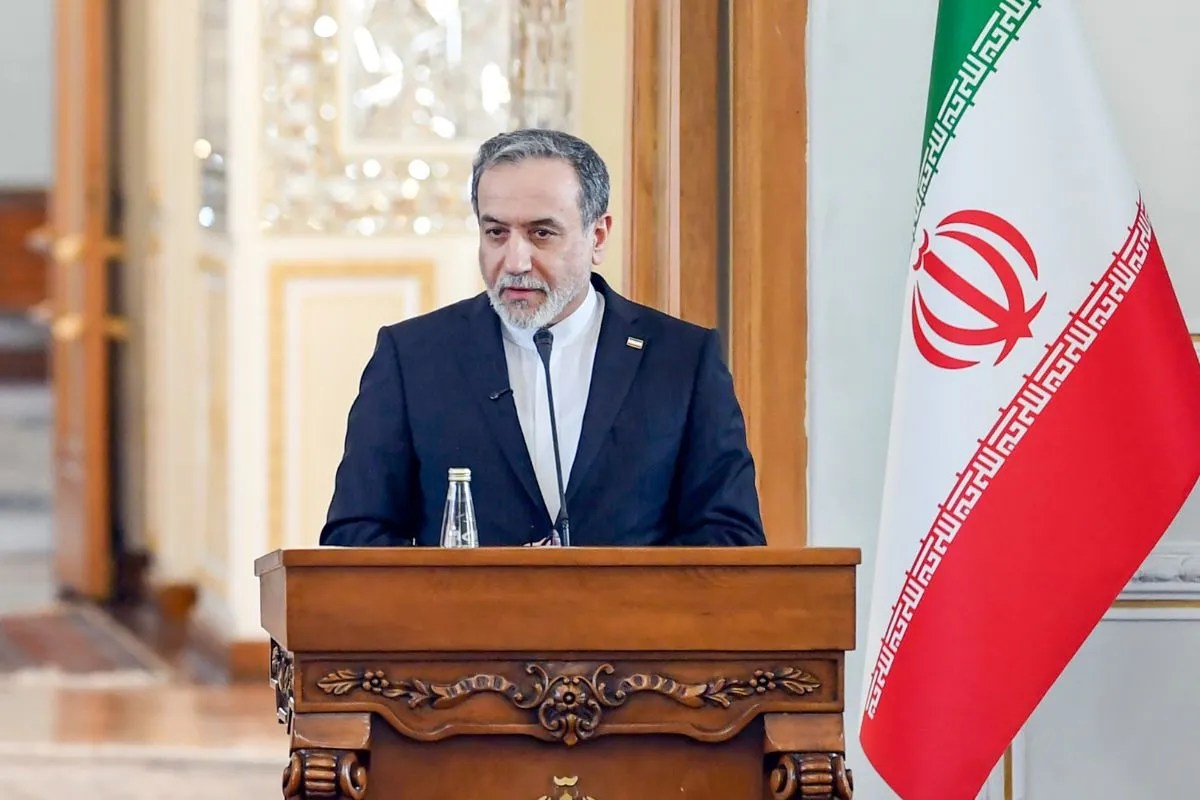
General Ali Mohammad Naeini, the spokesperson for Iran’s Revolutionary Guard, recently stood before such a microphone. He didn't speak in the frantic tones of someone caught in a crisis. He spoke with the measured, terrifying patience of a man who believes he owns the clock. He told the world that the "response" against Israel would not be a knee-jerk reaction. It would be calculated. It would be timed. Most importantly, he signaled that Tehran, and Tehran alone, would determine the expiration date of the current regional agony.
To understand what this means, you have to look past the troop movements and the satellite imagery. You have to look at the dinner tables in Beirut, the bomb shelters in Tel Aviv, and the flickering television screens in Baghdad. For millions of people, life has become a series of "ifs" and "whens." The Revolutionary Guard isn't just moving missiles; they are managing a psychological thermostat. They are keeping the heat high enough to blister, but just low enough to keep the room from exploding—until they decide otherwise.
The world waits for a singular event, a "big bang" of retaliation. But the Iranian strategy is far more agonizing. It is a slow-motion tightening of the noose. By declaring that they will dictate the end of the war, the IRGC is claiming a form of sovereignty over the future itself. It is the ultimate exercise of power: the ability to keep your enemy, and the world, in a state of perpetual, exhausting anticipation.
Consider a hypothetical shopkeeper in a city like Haifa. Let’s call him Elias. Elias doesn't care about the intricacies of the "Axis of Resistance" or the theological justifications for a long-range strike. Elias cares about his inventory. He cares about whether he should order more glass for his storefront or if he should just board it up now. Every time a spokesperson in Tehran says that the response will be "innovative" and "surprising," Elias loses a night of sleep. Every time a deadline passes without a strike, he doesn't feel relief; he feels a deepening dread. The uncertainty is the weapon.
This is the invisible front of modern warfare. It’s not fought with lead, but with cortisol. By extending the timeline of their promised revenge, Iran is effectively paralyzing the regional economy and the mental health of millions. They are demonstrating that you don’t need to fire a shot to win a day. You only need to own the threat.
The Revolutionary Guard’s rhetoric reveals a shift in the gravity of the conflict. For decades, the West viewed these tensions as a series of skirmishes with clear beginnings and ends. You hit, we hit back, and then we negotiate or retreat. But the IRGC is describing something different: a permanent state of managed chaos where they hold the remote control. They are no longer just a participant in the war; they are positioning themselves as its director.
There is a cold, mathematical logic to this. If Iran strikes immediately, they lose the leverage of the threat. The moment the missiles land, the tension breaks, and the international community moves into "response mode." But as long as the missiles stay in their silos, the entire world remains in "negotiation mode." Diplomats fly across oceans, oil prices fluctuate on rumors, and the United States is forced to keep a massive naval presence in the Mediterranean—a presence that costs millions of dollars every single day.
Tehran knows this. They are playing a game of attrition that isn't measured in casualties, but in endurance. They are betting that they can stay patient longer than the West can stay interested. They are betting that the internal political pressures in Israel and the United States will eventually force a concession, just to make the waiting stop.
But what happens to the human element in this grand calculation? The people living under this shadow become collateral damage in a war of nerves. When a military spokesperson says the end of a war is in their hands, they are admitting that the suffering of civilians is a secondary concern to the strategic signaling of the state. The "end" isn't a humanitarian goal; it's a piece of currency.
History shows us that when one side believes they alone control the pace of a conflict, they often overlook the "wild cards." They overlook the fact that fear, once harvested, can turn into a desperate, unpredictable anger. You can control the dial for a long time, but eventually, the machine breaks.
The IRGC is currently basking in the power of the pause. They are enjoying the spectacle of a world hanging on their every word. They have turned "not attacking" into a more powerful tool than the attack itself. It is a masterclass in psychological leverage, a way to project strength without the risk of a full-scale battlefield defeat.
Yet, there is a hollow core to this strategy. A war that is kept on a low simmer forever is still a war. A peace that is only granted at the whim of a revolutionary council is not peace; it is a hostage situation. As the days turn into weeks, the "strategic patience" touted by Tehran starts to look less like a plan and more like a trap—not just for their enemies, but for the very region they claim to be defending.
The shopkeepers like Elias, the parents in Gaza, the soldiers on the border—they are all waiting for the same thing. They are waiting for the moment the men at the microphones run out of words. Because eventually, the clock runs out, even for those who think they own it.
The hand stays on the dial. The heat continues to rise. The world watches the flicker of the needle, wondering if the person turning it realizes that at a certain point, the dial stops turning, and the metal begins to melt.