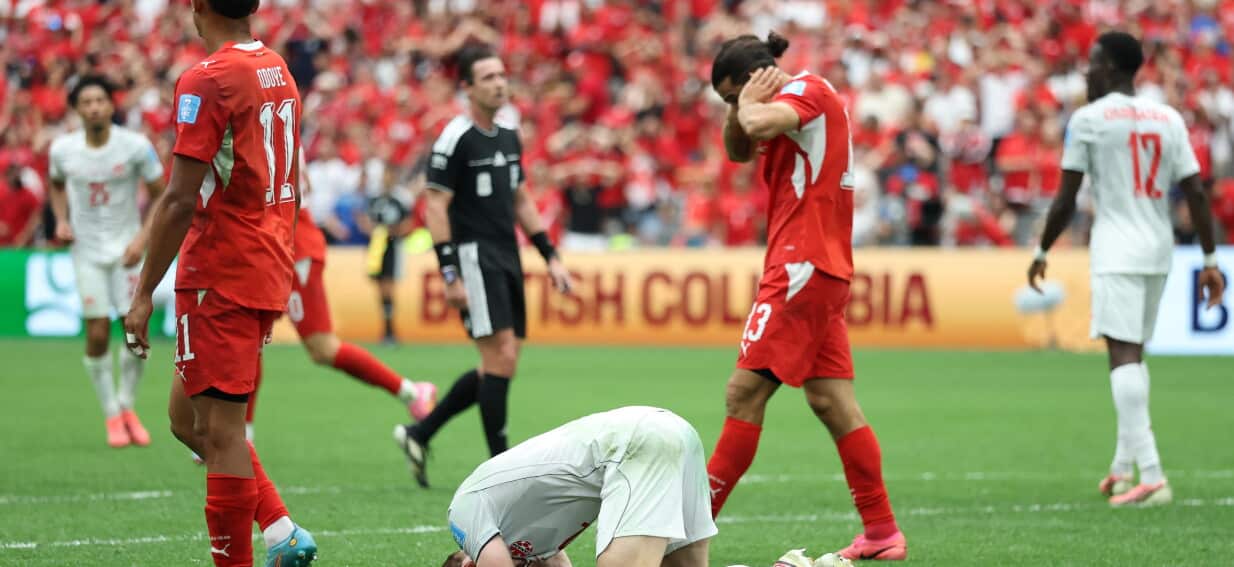
Political pundits and elected officials love a good scolding session. The latest target? The American public’s supposed lack of raw, unadulterated patriotism when compared to the wave of international tourists flooding cities for the World Cup. A prominent politician looks at a stadium packed with singing, flag-waving visitors, looks back at the local commute filled with tired workers, and sighs. Why can’t you love this place the way they do?
It is a comforting, simplistic narrative. It is also entirely wrong.
Equating the ecstatic joy of a vacationer with the deep, complex reality of citizenship is a fundamental misunderstanding of both human psychology and national identity. Visitors love the host nation because they are consuming an engineered experience. Citizens live the reality. To demand that people who pay taxes, navigate broken infrastructure, and raise families under local laws manifest the same superficial euphoria as someone on a two-week bender is not just out of touch. It is actively harmful to the democratic process.
The Economics of the Vacation High
Let's dissect the mechanics of tourist enthusiasm. When an international fan travels to the United States for a massive sporting event, they are operating within a carefully curated bubble. They interact with hospitality staff paid to smile. They visit revitalized entertainment districts. They consume the premium version of a country.
They do not deal with the internal revenue service. They do not worry about the long-term viability of the local school board or the rising cost of healthcare. They are purchasing a temporary escape.
Of course their energy is infectious. It is fueled by adrenaline, disposable income, and the liberating freedom of being away from home. I have spent years analyzing how cities position themselves for major global events. I have watched municipal governments dump millions into cosmetic upgrades, smoothing out local friction points just long enough for the cameras to roll and the foreign currency to clear. To look at that temporary, commercially driven excitement and call it a superior form of patriotism is an insult to the people who actually keep the country running when the stadium lights go dark.
Citizenship Is Not A Spectator Sport
True national affinity is not a perpetual pep rally. It looks a lot more like a long marriage than a passionate holiday romance. It involves friction, critique, and a constant, demanding effort to make the partnership work.
When citizens criticize their country, complain about its direction, or express frustration with its systems, they are engaging in the most vital form of national care. Complacency is the real enemy of growth. If a population sits back, waves a flag blindly, and ignores systemic flaws just to maintain an aesthetic of unity, the nation stagnates.
- The Tourist: Consumes the culture, praises the amenities, leaves the trash, departs.
- The Citizen: Builds the culture, funds the amenities, cleans the trash, stays to face the consequences.
We see this play out in "People Also Ask" forums constantly. People ask why host nations experience a post-tournament dip in morale. The answer is obvious. The circus leaves town, the temporary economic stimulus evaporates, and the locals are left with the bill and the unchanged reality of their daily lives. The politician demanding that locals match the energy of the visitors wants the compliance of a customer without providing the service expected by a shareholder.
The Flawed Premise of Comparative Patriotism
Comparing how different nationalities express devotion during a sporting event misses the cultural nuance entirely. Some cultures manifest pride through boisterous public displays, chants, and synchronized stadium choreography. Others express it through civic participation, community organizing, or a quiet, stubborn insistence on holding authority figures accountable.
Neither is inherently superior, but only one builds a resilient society.
Imagine a scenario where a company’s board of directors decides to judge employee loyalty by comparing workers to the customers touring the factory floor. The customers are thrilled. They love the free samples, the shiny machinery, and the enthusiastic tour guide. The employees look exhausted because they understand the supply chain bottlenecks, the safety hazards, and the long hours required to manufacture those shiny objects. If the CEO scolds the engineers for not smiling as wide as the tourists, that CEO is incompetent.
That is exactly what happens when political figures weaponize foreign enthusiasm against domestic exhaustion. They are mistaking consumer satisfaction for operational health.
Stop Demanding Performative Loyalty
The fix for national malaise is not to demand better vibes from the public. It is to build a reality that naturally commands respect and devotion.
If leaders want Americans to exhibit the fierce, unyielding pride they see in foreign visitors, they need to stop focusing on the spectacle and start focusing on the substance. People do not lack affection for their country; they lack affection for the systemic gridlock, the economic volatility, and the constant polarization served up by the very politicians doing the scolding.
True loyalty cannot be shamed into existence. It is earned through functional institutions, equitable systems, and a public sphere that rewards participation rather than performative compliance. The next time a commentator or a politician laments that locals are not cheering loudly enough while international visitors party in the streets, ignore them. The visitors are here for a good time. The citizens are here for the long haul.
Stop treating citizenship like a fan club. It is a job, and the people doing the work have every right to skip the applause.