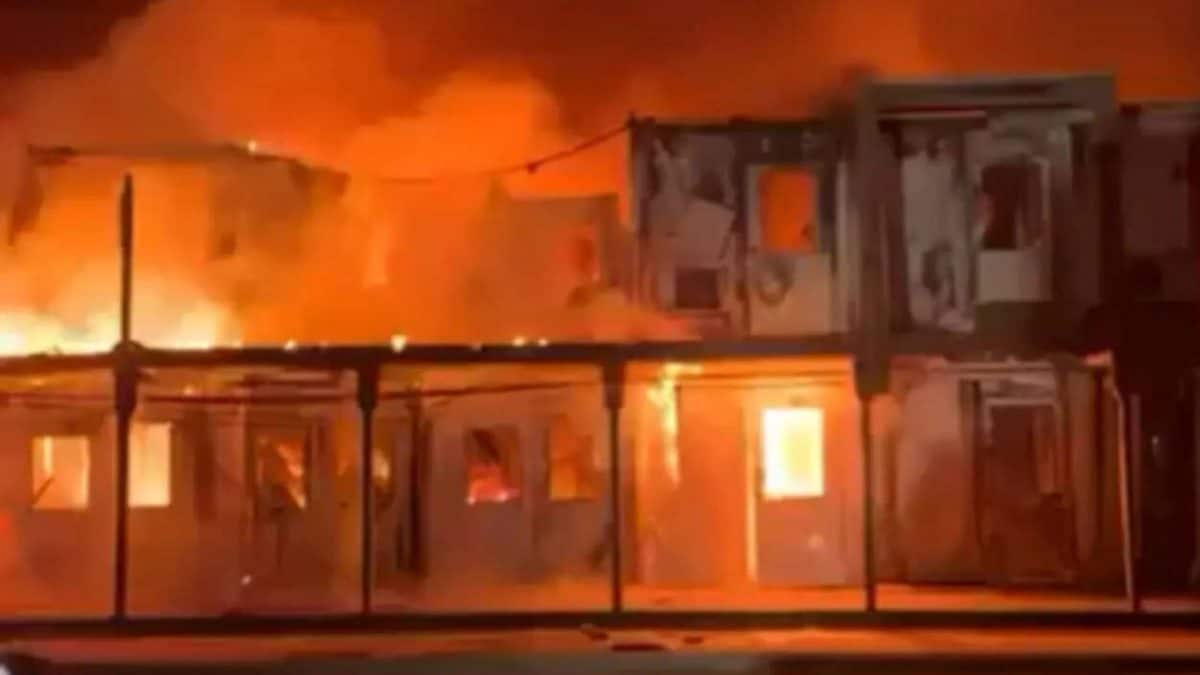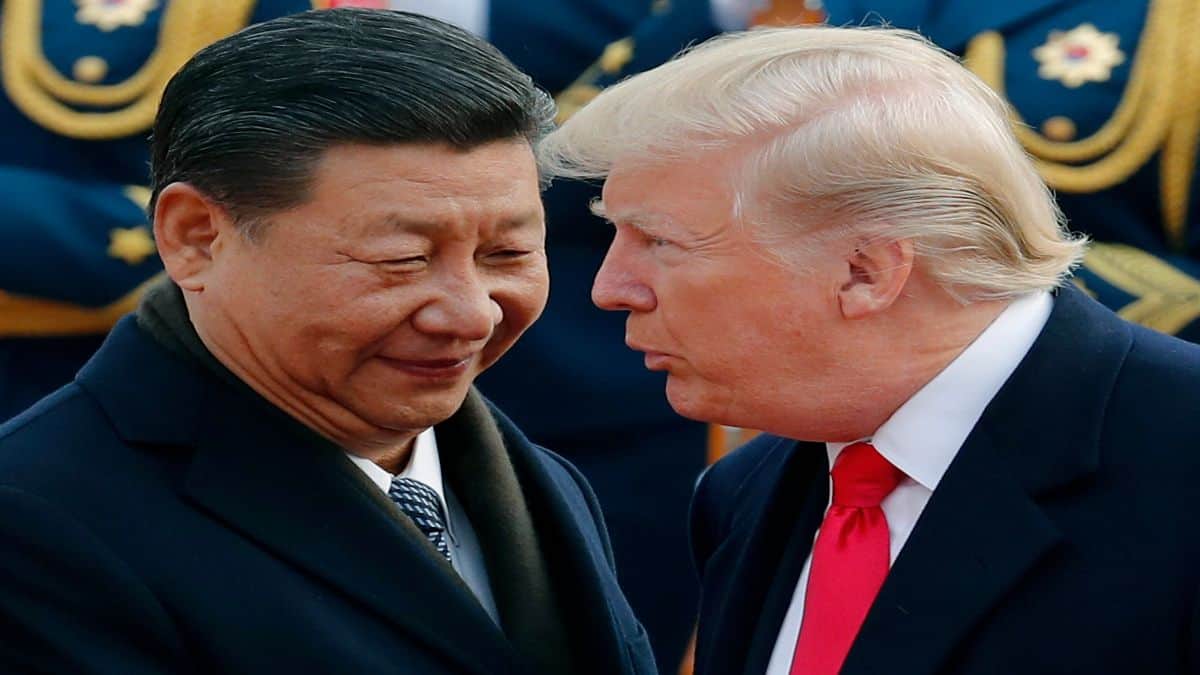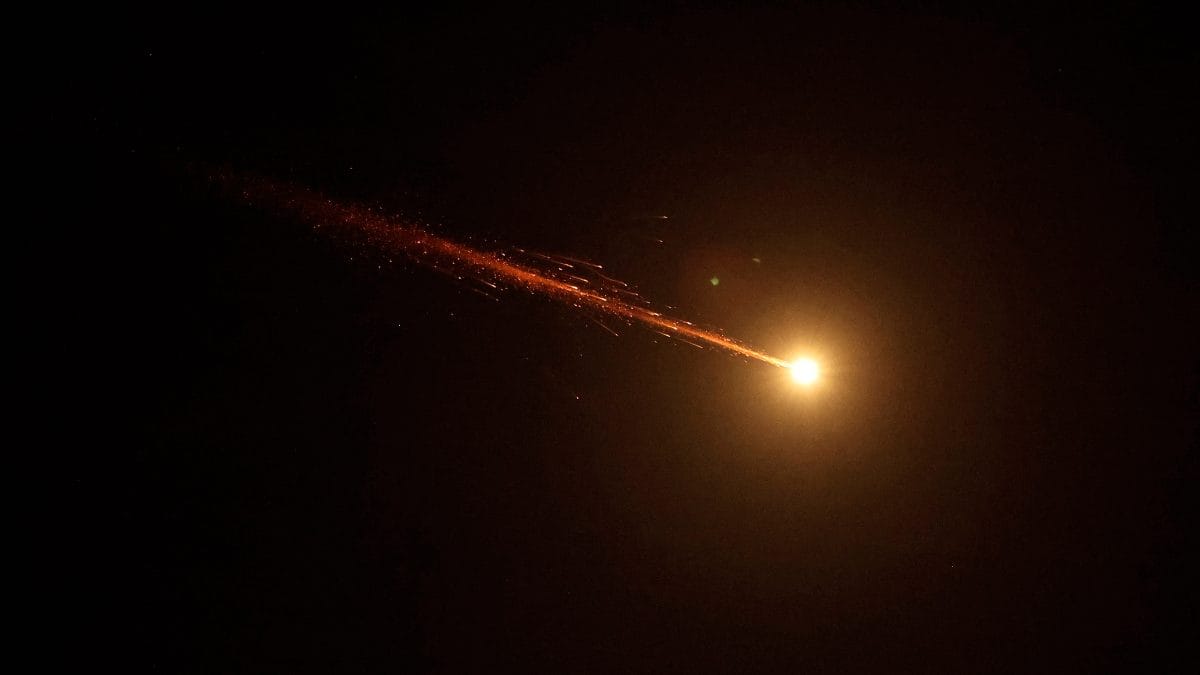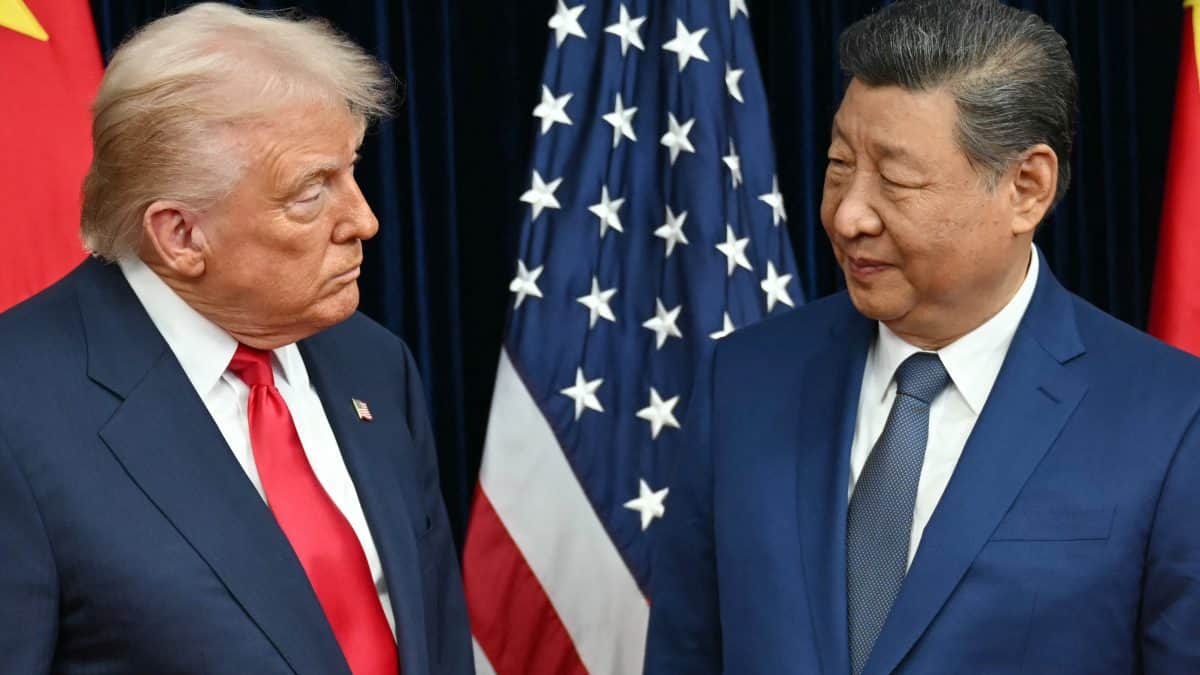
The scheduled diplomatic dance between Washington and Beijing just hit a massive wall. While the official reason for postponing Donald Trump's high-stakes visit to see Xi Jinping might be "scheduling conflicts," the reality on the ground tells a much more violent story. This isn't just about trade or semiconductors. It’s an admission that the administration is bogged down in a conflict it thought it could wrap up months ago. You can’t focus on the Pacific when your house is on fire in the Persian Gulf.
The delay of this meeting is a loud signal to every global market and military analyst. It tells us that the "pivot to Asia" remains a pipe dream as long as the Iran war consumes every ounce of American diplomatic and military bandwidth. For months, the narrative was that China was the only real peer competitor. But right now, Tehran is the one dictating the White House’s daily planner.
The Iran Problem Is Eating the China Strategy
Washington has a finite amount of energy. Even with a massive military budget, the Pentagon can't effectively manage a hot war in the Middle East while trying to contain a rising superpower in the East. The Iran war has proved to be anything but the "quick surgical strike" some hawks promised. Instead, it’s a grinding, multi-front mess involving proxy groups and sophisticated drone warfare that requires constant attention.
If you’re wondering why the meeting with Xi is on the back burner, look at the Strait of Hormuz. The logistics of maintaining carrier strike groups in that region are staggering. You don’t just fly to Beijing for tea and photo ops when your generals are arguing over munitions replenishment for a conflict that has no clear exit date.
The administration basically admitted that they can't multi-task at this level. Postponing the China trip isn't a sign of strength or a "wait and see" tactic. It’s a concession. It’s the realization that you can't pressure Xi Jinping on human rights or trade deficits when you might need Chinese neutrality—or at least their lack of interference—while you deal with the Iranian regime.
Xi Wins by Doing Absolutely Nothing
Xi Jinping is likely the happiest man in Beijing right now. Every day the US stays stuck in the Middle Eastern mud is a day China expands its influence in the Global South. They’re building ports. They’re signing BRI deals. They’re watching American resources drain away in a desert half a world away from the South China Sea.
Think about the leverage this gives China. When Trump eventually does make it to Beijing, he’ll be coming from a position of relative exhaustion. Xi knows the US needs a win. He knows the American public is getting tired of "forever wars" 2.0. By delaying, the US has essentially told China: "We are too busy to deal with you." That’s a dangerous message to send to a competitor that thinks in decades rather than election cycles.
China isn't just watching; they're actively filling the gaps. While US diplomats are shuttling between Tel Aviv and Riyadh, Chinese envoys are in Southeast Asia and Africa. They’re offering "stability" vs. the "chaos" of American intervention. It’s a compelling pitch to a lot of developing nations.
The Munitions Gap and the Two Front Fear
Military experts have been sounding the alarm about the "two-front" scenario for years. It’s no longer a theoretical exercise in a basement at the War College. We’re seeing it. The Iran war is chewing through precision-guided munitions and air defense interceptors at a rate that should make every Pacific commander sweat.
If a conflict broke out in the Taiwan Strait tomorrow, would the US have the stockpiles to respond effectively? Honestly, probably not. Not without pulling back from the Middle East and leaving a power vacuum that would be filled instantly by regional players or Russian interests. The delay of the China visit is a silent acknowledgement of this logistical nightmare.
Why the Markets Are Reacting So Sharply
Wall Street hates uncertainty. The assumption was that a Trump-Xi meeting would at least provide a "floor" for the relationship. It would give businesses some idea of what the tariff situation would look like for the next fiscal year. Instead, we have a void.
Investors are now pricing in a much longer period of volatility. If the China visit is off the table for the foreseeable future, it means trade negotiations are dead in the water. We’re looking at a prolonged period of decoupling that isn't planned or strategic—it's just happening because nobody is at the steering wheel.
Supply chains are already shifting. Companies that were waiting for a "thaw" in US-China relations to decide on their 2026 manufacturing footprints are now pulling the trigger on moves to Vietnam, India, or Mexico. They can't wait for the Iran war to end. They need certainty now.
What Happens if the War Drags On
The real nightmare scenario is a war that lasts through the next two years. That would mean an entire presidential term defined by a regional conflict that most Americans wanted to avoid. It would also mean China gets a free pass to solidify its hold on its "near abroad."
We’re seeing the 2003 playbook all over again, but with higher stakes and a much more powerful observer in Beijing. The distraction is the point. If you’re the Iranian leadership, you want the US focused on you because it forces the US to make concessions elsewhere to keep the global system from collapsing.
Real Steps for Navigating This Volatility
If you’re managing a business or a portfolio, you can't wait for the State Department to find a window in Trump’s schedule. The "Xi can wait" mentality is the new normal.
First, stop betting on a "grand bargain" with China. It isn't coming. Even if a meeting happens later this year, it will be a rushed affair with no real substance because the focus will still be on the Middle East. Diversify your supply chain away from "wait and see" locations.
Second, watch the energy markets closer than the diplomatic cables. The Iran war is an energy war. Any escalation there will have a much faster impact on your bottom line than a failed trade talk in Beijing.
Finally, keep a close eye on the defense industrial base. The companies making the interceptors and drones are the only ones benefiting from this delay. The shift from "great power competition" back to "counter-insurgency and regional war" is a massive pivot that will change where government money flows for the next decade.
The trip to China wasn't just a meeting. It was a symbol of where American priorities lay. By cancelling it, the administration has told the world exactly where they are stuck. And they are stuck deep.