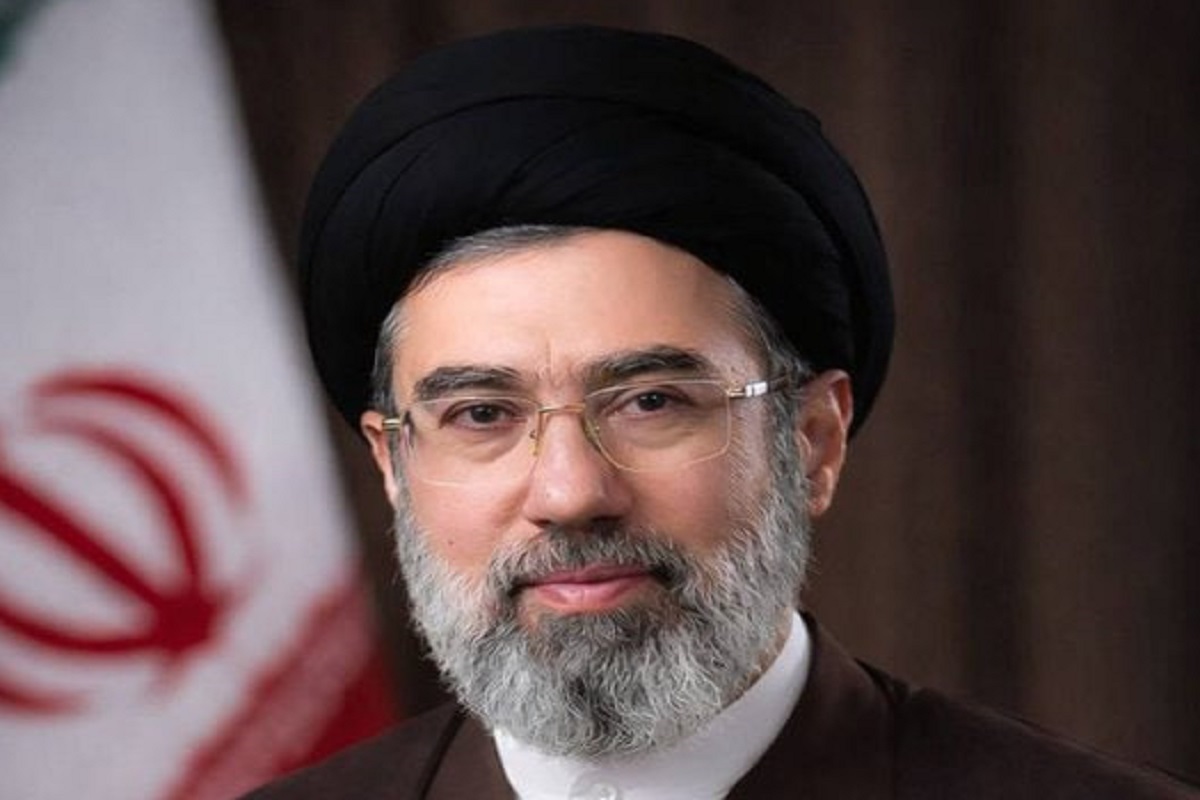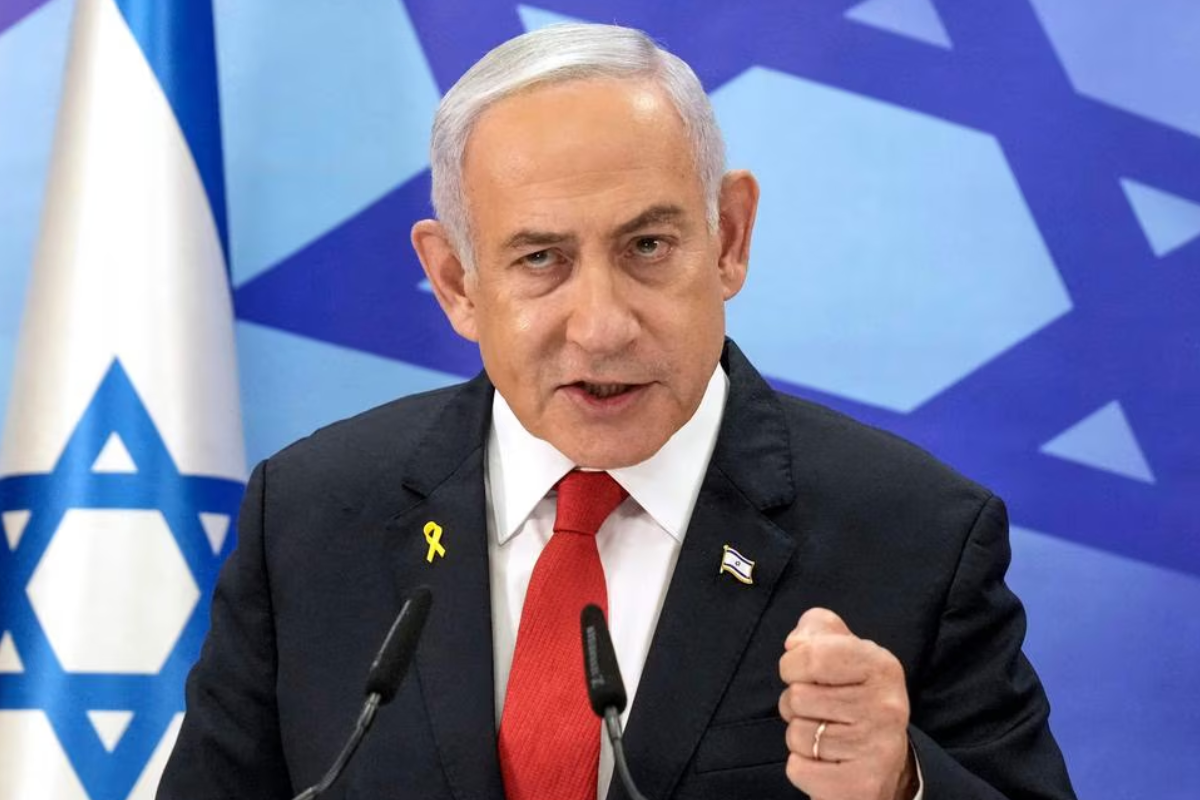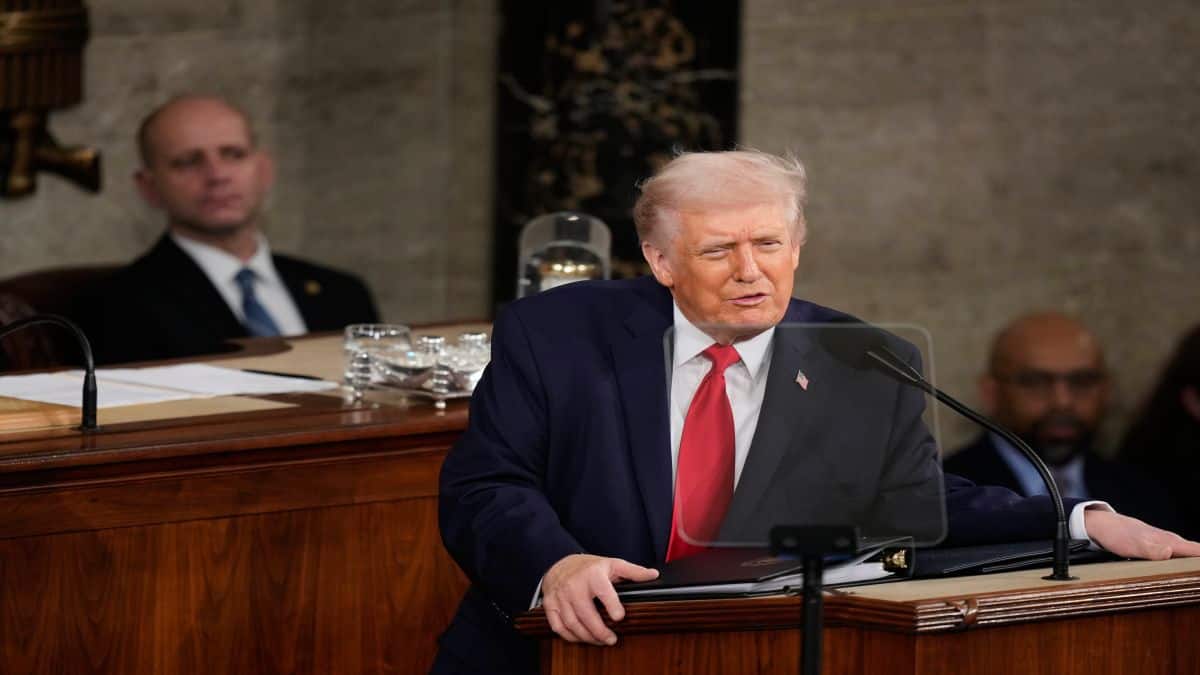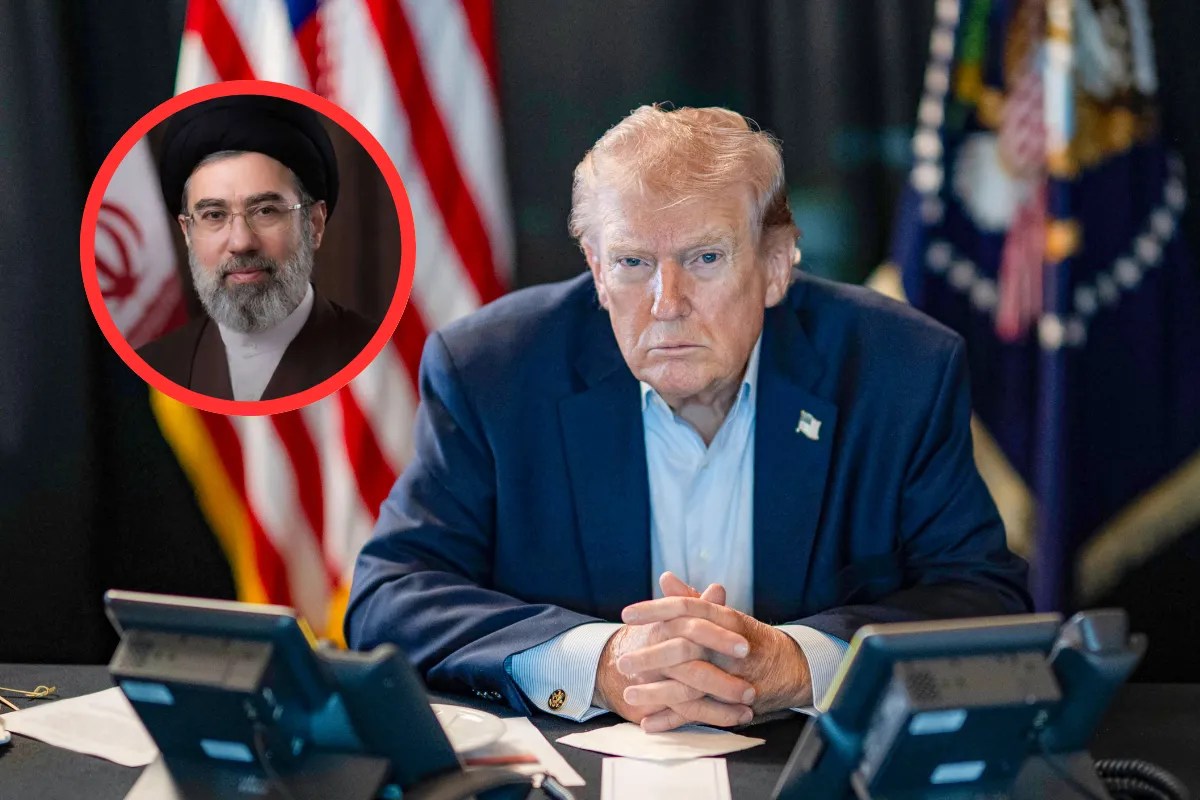
Donald Trump claims he can stop the fighting with a phone call. Tehran fires back that they alone hold the stopwatch for the Middle East’s destruction. Both are peddling a fantasy that belongs in the 20th century.
The "lazy consensus" in mainstream reporting suggests that geopolitical conflict is still a matter of two "strongmen" ego-clashing until one submits. It’s a comfortable narrative. It’s also completely wrong. The reality is that neither a Mar-a-Lago decree nor an Iranian Revolutionary Guard directive can "end" a war that has transitioned from traditional territory disputes into a self-sustaining ecosystem of autonomous tech and decentralized proxy networks.
The Myth of the Negotiated Peace
When the competitor headlines scream that Iran will "decide when the war ends," they ignore the fundamental breakdown of command and control. We are witnessing the "Uber-ization" of regional conflict. Tehran provides the platform (drones, missiles, funding), but the "drivers" (Houthi rebels, Hezbollah, various militias) now have their own localized incentives to keep the engine running.
I’ve spent years analyzing the flow of dual-use technology into conflict zones. Once a non-state actor gains the capability to manufacture $2,000 suicide drones that can harass billion-dollar shipping lanes, the "off switch" in the capital city breaks. Iran might want to de-escalate to save its domestic economy, but a local commander in Yemen or Iraq, empowered by tech that didn't exist ten years ago, has every reason to keep pulling the trigger.
Trump’s claim of an instant peace is equally delusional. It assumes the 1980s "Art of the Deal" model applies to a world where kinetic warfare is merely a byproduct of deep-seated algorithmic radicalization and decentralized finance. You can't "deal" your way out of a conflict where the participants don't agree on what victory looks like.
The Technology Trap: Why Nobody is in Control
The obsession with "who decides" ignores the fact that technology has shortened the OODA loop (Observe, Orient, Decide, Act) to the point where human diplomacy is too slow to matter.
- Autonomous Attrition: We are seeing the rise of "loitering munitions" that make decisions in milliseconds. Peace treaties require human deliberation. Algorithms require targets.
- The Cost Asymmetry: It costs Iran almost nothing to let its proxies bleed the West. It costs the US and its allies millions per intercept. This isn't a war of wills; it's a war of balance sheets.
- The Intelligence Gap: Traditional signals intelligence is failing against localized, low-tech communication combined with high-tech hardware.
If you think a change in the Oval Office or a stern press release from Tehran changes these physics, you’re not paying attention. The hardware is already in the wild. The code is already written.
Stop Asking "When Will it End?"
The premise of the question is flawed. People also ask, "Can Trump's sanctions break Iran?" or "Will Iran's military might force a US retreat?"
The honest, brutal answer: No.
Sanctions have historically failed to stop determined regimes; they only shift the economy into the shadows, making the leadership more reliant on illicit networks that thrive on instability. Conversely, Iran’s "military might" is a paper tiger in a direct confrontation, which is exactly why they will never engage in one. They will continue to fight a "forever war" of attrition because it is the only way they remain relevant.
Instead of asking when the war ends, ask how we survive a world of permanent, low-intensity kinetic friction.
The Business of Perpetual Friction
War is no longer a temporary state of being; it is a market. In the defense sector, the shift from massive platforms (aircraft carriers, stealth jets) to disposable, high-volume tech is the real story.
- Defense Tech Pivot: If you're still betting on legacy contractors who build one tank a year, you're losing. The future belongs to the companies that can 3D print 10,000 drones in a month.
- Resource Security: The conflict isn't about "honor" or "sovereignty" in the way the politicians claim. It’s about the flow of semiconductors and the securing of rare earth minerals.
- The Cyber Reality: While Trump and Tehran argue about missiles, the real war is being fought in the industrial control systems of our power grids. That war doesn't have a signing ceremony.
The Hard Truth About "Red Lines"
Politicians love drawing red lines. They are meaningless in a world of plausible deniability. When a drone hits a refinery, and no one claims responsibility, who do you retaliate against?
The competitor's piece frames this as a high-stakes poker game between two players. In reality, it’s a massive, multi-player simulation where half the players are anonymous and the rules change every time a new firmware update is pushed to a missile guidance system.
The downside to this contrarian view? It’s bleak. It suggests that there is no "victory" coming. There is only management. Anyone promising you a clean exit—whether they are wearing a suit in Washington or a turban in Tehran—is selling you a postcard from a world that died in 2010.
If you want to understand the modern battlefield, stop listening to the speeches. Look at the shipping manifests. Watch the crypto wallets. Follow the supply chain of carbon fiber and GPS-denied navigation chips.
The war doesn't end when someone says "I quit." It ends when the cost of participation exceeds the capacity to innovate. And right now, the cost of disruption is at an all-time low.
Stop waiting for the "peace" that was promised. Start preparing for the friction that is permanent.