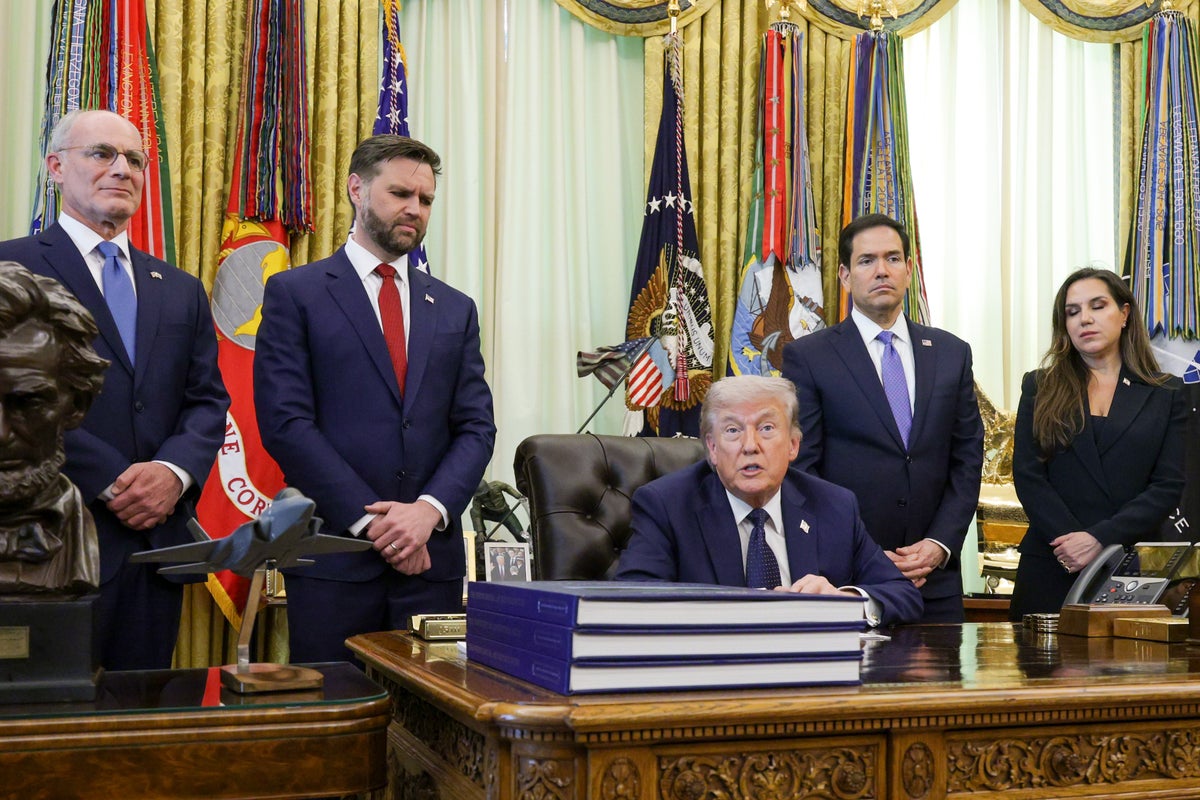
Donald Trump is talking about pulling American troops out of Germany again. If this were 2014, or even 2019, the foreign policy establishment would be having a collective heart attack. But it’s 2026, and the world has changed enough that the prospect of a US withdrawal from the Rhine isn’t the existential threat it used to be.
Honestly, the shock value has worn off. Between the 2022 invasion of Ukraine and Germany’s own slow-motion awakening, the strategic center of gravity in Europe has already shifted east. If 35,000 US service members packed their bags tomorrow, it would be a logistical headache and a diplomatic mess, but it wouldn’t be the end of Western security.
The Eastern Flank Is the New Front Line
For decades, Germany was the "garrison state." It was the staging ground for any potential conflict with the Soviet Union. Today, that’s just not where the action is. While the US still maintains massive hubs like Ramstein Air Base and the Landstuhl Regional Medical Center, the actual "deterrence" is happening in Poland, Romania, and the Baltics.
Poland is currently spending over 4% of its GDP on defense. They aren't waiting for a permission slip from Washington to build one of the most formidable land forces on the continent. When you look at where US troops are actually needed to stop a "tank column" (if that’s still the fear), it’s the Suwalki Gap, not the Bavarian hills.
- The Numbers: Germany currently hosts about 35,000 to 38,000 US troops.
- The Shift: Poland and the Baltic states have seen a surge in "persistent" rotations that look more like permanent bases every day.
- The Reality: Modern warfare in 2026 is more about hybrid strikes on power grids and subsea cables than garrisoning thousands of troops in peaceful German towns.
Germany Stopped Treating Defense Like a Hobby
One of the biggest reasons a withdrawal isn’t as scary anymore is that Germany finally started writing checks. For years, Berlin’s "soft power" approach meant their military hardware was basically a collection of museum pieces that didn't work. That changed with the €100 billion special fund.
In 2024, German defense spending hit nearly $88.5 billion. They’re finally hitting that 2% NATO target that Trump spent his first term screaming about. When a country starts buying F-35s and Patriot PAC-3 systems, they aren't just a "host" for American power—they're becoming a contributor.
If the US pulls back, Germany has the industrial base and the new budget to fill a lot of those gaps. It’s not a "seamless" transition—there’s no such thing in geopolitics—but the German military is no longer the punchline of NATO.
Logistics and the Nuclear Umbrella
We shouldn't pretend it's all sunshine. The real problem with a total pullout isn't the number of boots on the ground; it's the stuff those boots are attached to. Ramstein is the "most significant" base in Europe for a reason. It’s the gateway for US operations in the Middle East and Africa. Moving those capabilities to Greece or Poland would cost billions and take years.
Then there’s the "nuclear sharing" agreement. About 10 to 20 B61 nuclear bombs are reportedly stationed at Büchel Air Base. These are meant to be flown by German planes in a worst-case scenario. If Trump pulls the troops, does he pull the nukes too? That’s the question that keeps European leaders awake at night. Without that American nuclear guarantee, the continent’s security architecture looks a lot more fragile.
Why Trump Is Using This as Leverage
Trump isn't just moving troops because he hates German beer. He’s using them as a bargaining chip. He’s made it clear he thinks the current NATO setup is a bad deal for the American taxpayer. By threatening a withdrawal, he’s forcing European leaders to the table on everything from trade tariffs to Iran policy.
Is it bluster? Maybe. But the fact that we're even debating it shows that the old "status quo" is dead. Europe is being forced to grow up and handle its own conventional defense. The US is increasingly focused on the Indo-Pacific and its own domestic fiscal mess, with deficits projected to hit $2.5 trillion by 2035. The "defender of last resort" role is becoming too expensive for Washington to maintain indefinitely.
What Happens Next
If you're worried about what this means for your security or your investments, don't panic. A full withdrawal is unlikely to happen overnight. It’s a complex process that involves Congress, the Pentagon, and years of construction.
- Watch the Eastern Flank: Keep an eye on US troop movements into Poland. This is the real indicator of where the US sees its long-term interests.
- Monitor German Budgets: If Berlin keeps its spending above 2% even after the special fund runs dry, they’re serious about autonomy.
- Follow the Nuclear Debate: Any talk of "European nuclear sovereignty" (France and the UK stepping in) means the US-German relationship is truly on the rocks.
Basically, the era of Europe relying on a permanent American "security blanket" in the heart of the continent is ending. Whether Trump pulls the trigger now or a different president does it in five years, the trend is clear. Europe is becoming responsible for Europe. It's about time.
U.S. Troop Presence in Germany Explained
This video provides a recent update on the Trump administration's signals regarding troop reductions and the rising tensions within the NATO alliance.
http://googleusercontent.com/youtube_content/1