Donald Trump just declared on Truth Social that Iran has "taken too long" to negotiate a deal and will now "pay the price." If you've been watching this conflict grind on for the last two months, this feels like an exhausting case of deja vu. The indefinite ceasefire established back in April is on life support, global energy markets are sweating, and the administration is falling back on the same old playbook. Threaten maximum pressure, launch a few strikes, and hope the other side blinks.
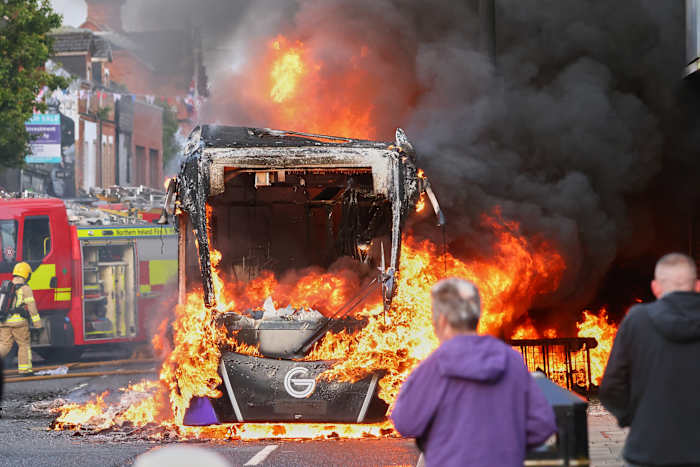
But here's the reality nobody wants to admit. The Iranian regime isn't blinking, and Trump's assumption that he can bully Tehran into an unconditional surrender is fundamentally flawed. Building on this theme, you can also read: The Kinetic Equilibrium of Unrest: A Structural Analysis of Northern Irish Paramilitarism and Civil Disorder.
The Illusion of a Quick Victory
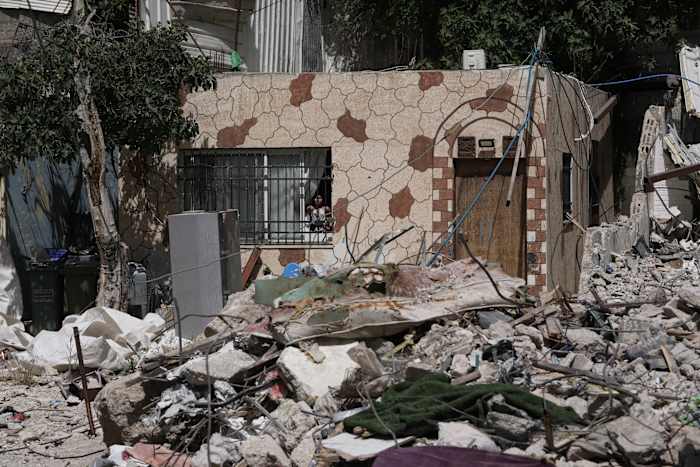
When Trump and Israeli Prime Minister Benjamin Netanyahu launched military operations back on February 28, the promise was a swift, decisive victory. Proponents of the strategy figured a few weeks of heavy bombing would collapse the regime or force them to sign away their entire nuclear program. Instead, we're sitting here in June, and the war has bogged down into a grueling stalemate.
The White House wants us to believe the naval blockade is a triumph. Sure, it's squeezing Iran's economy into the dirt, but it hasn't stopped the regime from launching asymmetric strikes across the region or disrupting the Strait of Hormuz. Observers at USA Today have shared their thoughts on this matter.
The administration’s core demands are basically a wish list that no sovereign country would ever accept under these conditions. Vice President JD Vance laid it out clearly during the failed Islamabad talks in April. The US wants a complete end to all uranium enrichment. Not a cap, not a limit. Zero enrichment. On top of that, they want the US military to physically walk in and extract Iran's existing stockpile of highly enriched uranium.
You don't need a degree in international relations to see why the talks in Pakistan fell apart. Iran's chief negotiators, including Ali Bagheri Kani and Abbas Araghchi, aren't going to hand over their only real leverage while American warships are actively blockading their ports. They offered a 10-point counter-proposal that kicked the nuclear issue down the road to focus on immediate issues like reopening shipping lanes and unfreezing assets. Trump called it a "piece of garbage."
The Disconnect in Washington and Tehran
The real problem is that both sides are operating on entirely different timelines and political pressures. Trump is desperate for a massive, cinematic diplomatic win that eclipses Barack Obama's 2015 nuclear deal. He doesn't want a messy, compromised treaty. He wants a signed piece of paper that looks like a total capitulation. That's why he keeps setting arbitrary deadlines and walking away from the table when the Iranians don't give him everything he wants.
Meanwhile, Netanyahu's political survival relies on keeping the conflict going. His ruling coalition is facing a brutal election before the end of October, and he hasn't delivered on any of his big promises to neutralize Hamas, Hezbollah, or Iran. A peaceful compromise that leaves the Iranian regime intact is a nightmare scenario for him. He wants the US pulled deeper into a shooting war, not signing peace treaties mediated by Pakistan or Qatar.
But don't mistake Iranian resilience for domestic stability. Inside Iran, the situation is catastrophic. The economy is facing a 10% contraction, and food inflation hit a staggering 130% in May. Meat and chicken prices are up 176%. People are dealing with daily power cuts just to keep the grid from collapsing entirely.
"Trump and Netanyahu's next bomb may not be gunpowder; it may be inflation. The battlefield is the people's table." - Mohammad Javad Azari Jahromi, former Iranian Communications Minister
The only thing keeping the Iranian public from completely turning on the government right now is the external threat of American bombs. The moment the war ends, the internal fractures will burst wide open. The regime knows this. They are terrified of what happens when the wartime unity fades into hyperinflation and domestic unrest.
What Actually Happens Next
So, where does this leave us? Trump's declaration that Iran will "pay the price" means a return to active kinetic strikes is highly likely. We've already seen retaliatory actions after the downing of a US Army Apache helicopter. But more bombs won't change the underlying math of this conflict.
If you're trying to figure out how this actually resolves, look at the energy markets. Brent crude is already hovering around $104 a barrel. Every day the Strait of Hormuz stays choked, global economic pressure builds on Washington, not just Tehran. Trump is currently heading to Beijing to try and convince President Xi Jinping to pressure Iran. Good luck with that. China is the biggest buyer of Iranian oil, and they aren't going to pull Washington's chestnuts out of the fire for free.
If the administration wants to break the deadlock, they have to abandon the "unconditional surrender" rhetoric. A realistic path forward requires a staged approach. You can't demand zero enrichment on day one while maintaining a total naval blockade.
The next logical step for the administration isn't another round of B-52 strikes. It's a structured, phased de-escalation where shipping lanes are traded for temporary enrichment caps. If Trump keeps holding out for a perfect deal where the Iranian regime completely folds, he'll just end up dragging the US into a long, messy, and deeply unpopular war that nobody knows how to finish.