Donald Trump isn't looking for a handshake or a seat at the bargaining table. If you've been watching the smoke rise over Tehran this week, you've probably realized the old rules of Middle East diplomacy were tossed out the window the moment the first Tomahawk hit its mark. While previous administrations talked about "red lines" and "proportionality," the current White House has a much simpler metric for success: total erasure of the Iranian military and its governing body.
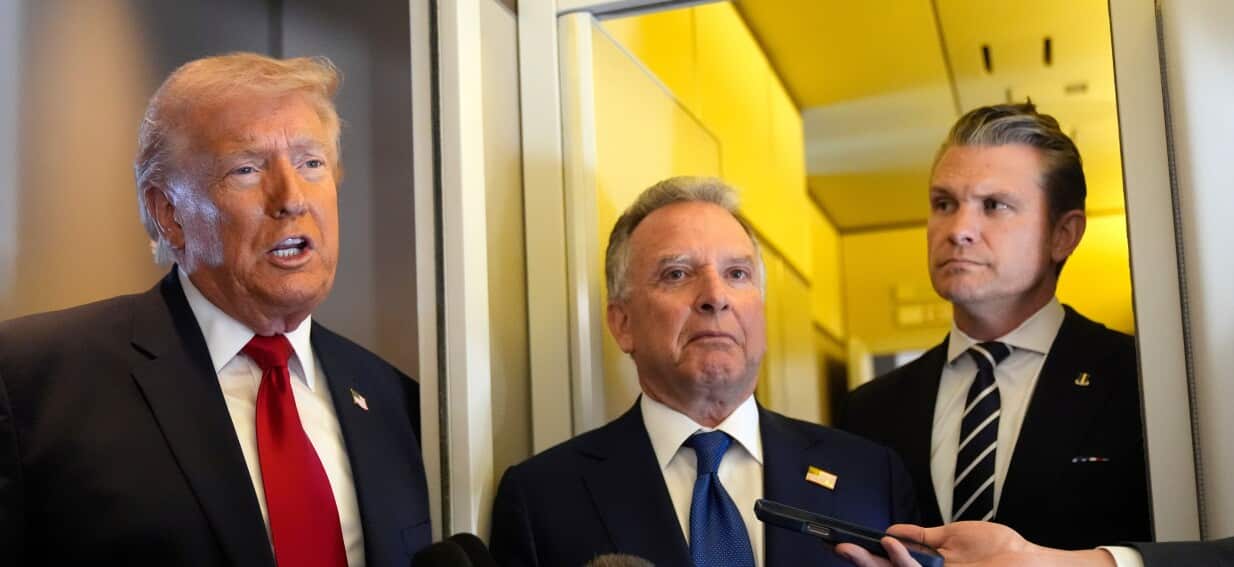
On Saturday, speaking to reporters on Air Force One, Trump laid it out in the blunt, uncompromising style that's become his second-term trademark. He isn't interested in a deal. He isn't interested in mediation. He basically suggested the war might only end when there's literally nobody left on the other side to sign a peace treaty.
"At some point, I don't think there will be anybody left maybe to say 'We surrender,'" Trump told the press. It's a startling admission. He’s not just aiming for a tactical victory; he's aiming for a vacuum.
The Strategy Of Total Decimation
The air campaign, which began with the assassination of Supreme Leader Ayatollah Ali Khamenei on February 28, has entered its second week. Unlike the limited "Operation Midnight Hammer" strikes of 2025, this offensive—frequently referred to by the administration as a mission to "Make Iran Great Again"—is designed to systematically dismantle every branch of the Iranian state.
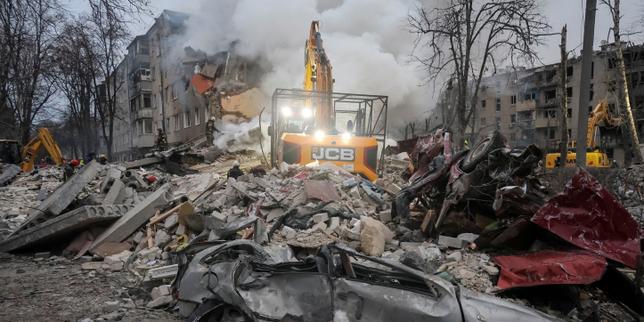
Trump claims the Iranian navy is gone. He says their air force is wiped out. Their communications? Scrambled or destroyed. According to the President, the U.S. and Israel are already working through the "third set" of Iranian leadership because the first two tiers have been neutralized. This isn't just "degrading capabilities." This is a scorched-earth policy from 30,000 feet.
While Iranian President Masoud Pezeshkian has tried to play the role of the reasonable diplomat—offering apologies to neighboring Gulf states for Iranian retaliatory strikes—Trump hasn't bitten. He viewed that apology as a sign of weakness, a "surrender" in all but name, yet he’s still ordering harder hits. The goal is "unconditional surrender," but Trump’s definition of that term is evolving. It might not be a signed document; it might just be the silence that follows total collapse.
Why Negotiating Is Off The Table
You're probably wondering why the U.S. wouldn't take a win and go home. Usually, when an enemy's president starts apologizing and asking for mediation, diplomats start packing their bags for Geneva or Muscat. Not this time.
Trump’s rationale is that "the dream" of a nuclear Iran has to be buried forever. He’s argued that any deal made now would just be a pause button for a "sick group of leaders" to regroup. By demanding a say in choosing the next Supreme Leader—a demand Tehran has naturally called a "dream" they’ll take to the grave—Trump is signaling that he won't stop until the regime is replaced by someone he personally vets.
The Risks Of The Vacuum
- The Chaos Factor: If you destroy the military and the leadership, who keeps the lights on? Experts at places like Chatham House are already warning that this "might makes right" approach is throwing international law into a blender.
- Asymmetric Retaliation: Iran’s Revolutionary Guard might be losing their traditional hardware, but they’ve already shown they can still cause pain. Drones have hit U.S. assets at Al Dhafra Air Base, and oil pipelines in the Gulf are burning.
- The Ground Troop Question: Trump hasn't ruled out boots on the ground. He says it’s a possibility "later on" to secure nuclear sites. That’s a massive escalation that most Americans—56% according to recent polls—don't want.
The Domestic Fallout
Back home, the mood is tense. Gasoline prices are creeping up as the Persian Gulf becomes a no-go zone for tankers. Trump’s response? "If they rise, they rise." He’s betting that the American public cares more about "winning" a decisive conflict than an extra buck at the pump.
But it’s a risky bet. The Biden-era critics and constitutional scholars at the Brennan Center are screaming about the lack of Congressional approval. Trump is running this war from Mar-a-Lago and Air Force One with a small circle of loyalists like Pete Hegseth and Marco Rubio, bypassing the traditional war-powers debates entirely.
The White House even halted a federal security bulletin that would have warned of heightened threats to the U.S. mainland. They want to project a sense of total control, even as explosions hit the U.S. embassy in Oslo and Iranian-linked cyber threats loom over critical infrastructure.
What Happens When The Smoke Clears
If Trump gets his way, the Islamic Republic as we know it will cease to exist by the end of the month. He’s promised to bring Iran back from the "brink of destruction" and make it "bigger and better" once a "reasonable" leader is in place. It’s a vision of reconstruction that sounds a lot like the early days of the Iraq War, only with more strategic bombing and less nation-building.
The reality on the ground is grimmer. Over 1,300 Iranians are dead, and the conflict has already sucked in a dozen neighboring countries. We aren't just watching a war; we’re watching the forced restructuring of the entire Middle East.
If you’re tracking the markets or the news, don’t look for "peace talks" in the headlines. Look for "total collapse." That's the only exit ramp the White House is currently building. If you have assets in energy or international shipping, now is the time to hedge. The "minor excursion" Trump described is looking more like a permanent shift in the global order. Check your supply chain vulnerabilities and prepare for a long period of regional instability, because even if the military is "destroyed," the resentment will last for generations.