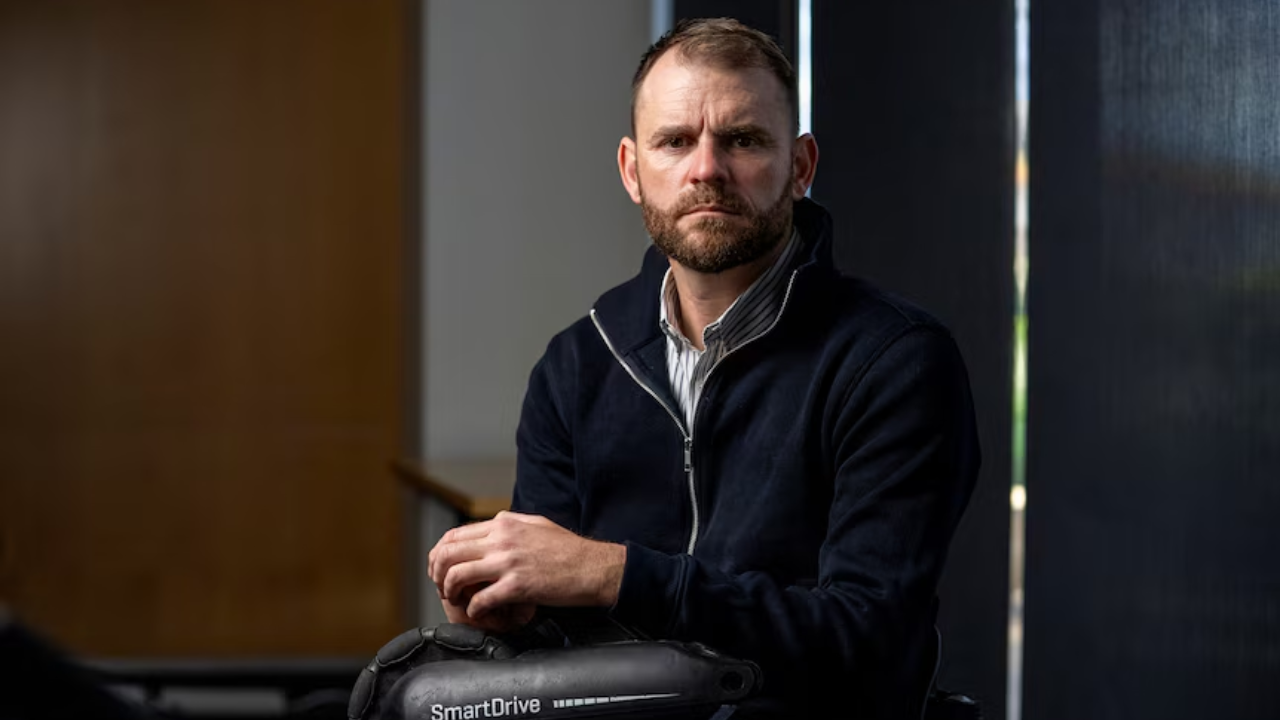
Air travel is stressful enough without a major airline telling you your mobility device is simply too big to board. Imagine arriving at the gate, ready for a flight, only to be pulled aside and denied boarding because your wheelchair fails to fit under an aircraft seat. That is precisely what happened to a passenger flying with Virgin Australia, sparking immediate outrage and dragging up uncomfortable truths about how commercial aviation handles disability access.
Accessibility in the skies remains an absolute mess. Airlines love to talk about inclusion and customer service. They roll out flashy marketing campaigns featuring smiling passengers of all backgrounds. But when real wheelchair users show up with custom equipment, the system frequently collapses. In similar updates, take a look at: Stop Blaming Sydney Airspace Redesigns For Risks Controllers Actually Created.
Let's look at the core issue. Why did an airline think a wheelchair needed to fit under a seat? Anyone who understands mobility devices knows motorized chairs and many manual frames are heavy, rigid, and bulky. They belong in the cargo hold, not squeezed into the cabin footwell. If a gate agent or crew member expects a full-sized mobility aid to stow away under a standard economy seat, there is a fundamental breakdown in basic training.
The Reality of Flying With a Disability
You shouldn't need a law degree to board a commercial flight. Yet, frequent flyers with disabilities often experience anxiety every single time they travel. Gate agents misinterpret policies. Baggage crews mishandle expensive custom chairs. Passengers get shuffled around like cargo. Lonely Planet has analyzed this important issue in extensive detail.
When airlines fail to accommodate basic human needs, it points to a wider corporate failure. Virgin Australia faced fierce criticism over the incident, and rightly so. Rules regarding assistive devices are supposed to protect passengers, not give staff an excuse to turn people away because of poor logistical planning.
If you rely on a wheelchair, flying feels like navigating a minefield. You have to book weeks in advance, call special assistance lines, confirm dimensions, and pray that the staff working your specific flight actually read the notes on your reservation. Even then, things go wrong.
What Airlines Get Wrong About Mobility Gear
The excuse that a device does not fit under a seat exposes a deep ignorance of modern mobility engineering. Custom wheelchairs cost tens of thousands of dollars. They are built specifically for an individual's body, posture, and neurological needs. You cannot simply fold them up like a cheap umbrella stroller and shove them overhead.
Airlines need to overhaul how they educate frontline staff. Gate agents shouldn't be guessing about cabin storage rules on the fly. Clear, unambiguous protocols must dictate how assistive technology is handled. If a cabin cannot accommodate a specific device, the airline carries the responsibility to provide a seamless, dignified alternative—not strand the passenger at the gate.
How to Protect Yourself When Booking Flights
Until the aviation industry fixes its broken infrastructure, you have to advocate aggressively for yourself. Do not leave your travel arrangements to chance.
- Call the airline's accessibility desk directly rather than relying on automated booking forms.
- Print out the exact dimensions and weight specifications of your mobility device and keep them handy.
- Arrive at the airport much earlier than the standard recommended time to deal with potential gate disputes.
- Document everything if something goes wrong, including names of staff members and specific policy references.
Airlines will only change their tune when public pressure hits their bottom line and regulatory bodies hand down steep penalties for discrimination. Until then, hold them accountable every single time they fail.