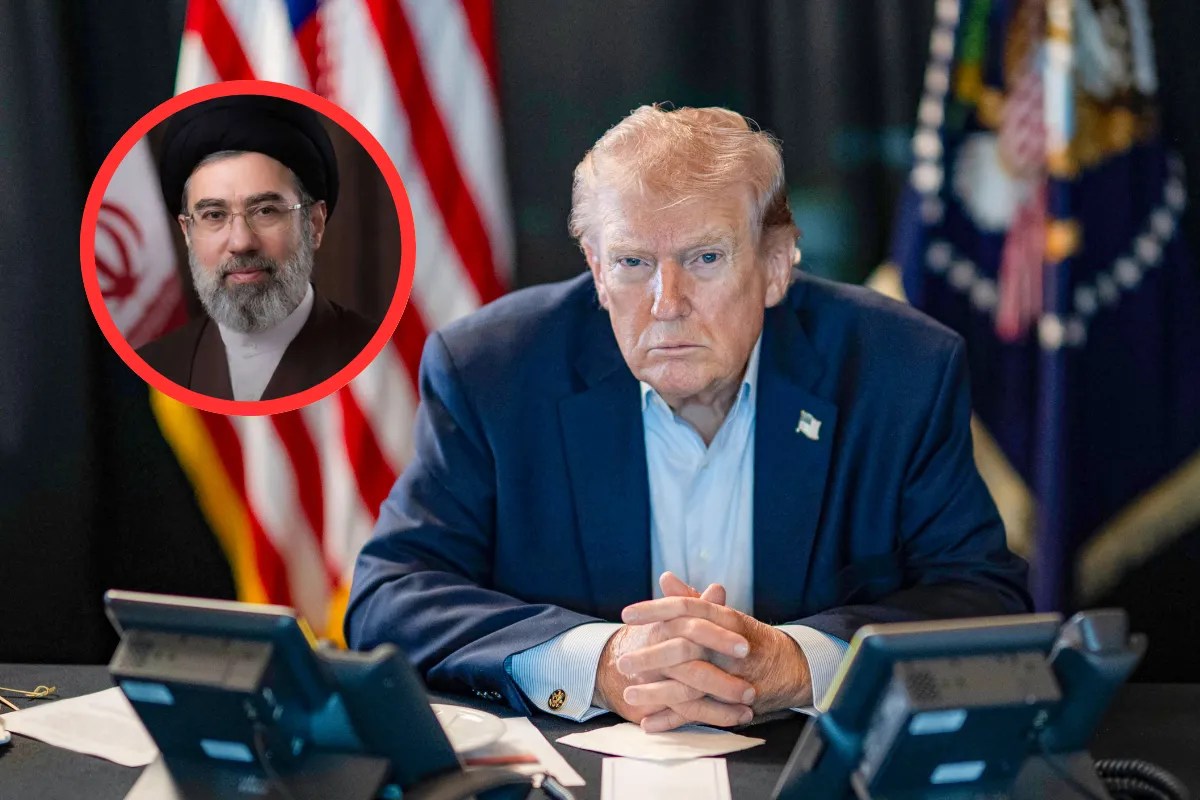
The bombs are falling, the drones are buzzing, and the American public is officially exhausted. After decades of "forever wars" in the Middle East, the current military campaign against Iran—dubbed Operation Epic Fury—has hit a wall of domestic skepticism that isn't just about partisan bickering. It’s about a fundamental shift in how people view the cost of global policing.
You might think a direct threat would unite the country, but the latest data shows a nation sliced right down the middle. According to a Fox News national survey conducted in early March 2026, voters are split 50-50 on the current strikes. This isn't just a slight disagreement; it’s a total deadlock that mirrors the deep fractures in the American psyche. While 61% of people still believe Iran is a "real national security threat," that fear no longer translates into a blank check for the Pentagon.
The partisan wall and the independent swing
If you look at the raw numbers, the divide is predictable but jarring. Nearly 80% of Republicans cheer on the strikes, while an almost identical 80% of Democrats want them to stop. But the real story is with the independents. About 60% of them disapprove of the current military action. They’re the ones feeling the pinch at the gas pump and watching the stock market "freak out," as a recent Washington Post report put it.
What’s even more telling is the shift in how people view the leadership behind these strikes. In mid-2025, about 43% of Americans felt President Trump’s approach to Iran made the country less safe. By March 2026, that number climbed to 51%. People aren't just worried about the "bad guys" abroad; they're worried about the decisions being made at home.
Fear of the ground game
There’s one thing almost everyone agrees on: keep the boots off the ground. While airstrikes are a coin flip in the polls, the idea of an invasion is a total non-starter. A survey from the Angus Reid Institute shows a massive majority of Americans saying "no" to ground troops.
The ghost of the draft is haunting the conversation too. White House comments about "not taking options off the table" sent a shockwave through social media, sparking fears of conscription. Even though the U.S. hasn't drafted anyone in over fifty years, the mere mention of it makes people uneasy. The military is already struggling with recruitment, and lawmakers are even eyeing automatic registration for the Selective Service starting in 2026.
- Airstrikes: 49% support (Chicago Council on Global Affairs)
- Ground Troops: 39% support
- Cyberattacks: 60% support (Ipsos)
The preference for "clean" war—cyberattacks and sanctions—over "dirty" war involving physical soldiers is clearer than ever. Americans want results, but they don't want to see their neighbors coming home in flag-draped coffins for a war they don't fully understand.
The Israel factor and the shifting sympathy
The relationship between Washington and Jerusalem is facing a reckoning. For the first time in nearly 25 years of Gallup tracking, American sympathy for Israel dipped below 50% in 2025. This isn't just about Iran; it’s a broader fatigue with the entire region’s instability.
Many voters feel that Israeli strategic priorities are driving American military timing. Whether that’s true or not, the perception is reality in the polls. You’ve got people like Tucker Carlson calling it "Israel’s war," and that rhetoric is sticking. Even among Republicans, favorability toward Israel has dropped 15 points in the last year. When the "special relationship" starts to feel like a liability, public support for military intervention evaporates fast.
The economic toll is hitting home
It’s not just about morals or strategy; it’s about the wallet. Gas prices jumped the moment the war started. When it costs more to fill up your truck, it costs more to buy milk, eggs, and everything else. Americans are savvy enough to know that a prolonged conflict in the Strait of Hormuz means a prolonged headache for their bank accounts.
The stock market’s volatility is another major factor. Investors are terrified of a long-term disruption, especially after Iran selected Ayatollah Mojtaba Khamenei to succeed his father. The younger Khamenei is seen as even more hardline, suggesting this won't be a quick "in and out" operation.
Demanding a say through Congress
Perhaps the most significant trend is the demand for constitutional checks. About six in 10 Americans believe the president must get approval from Congress before launching strikes on Iran’s nuclear facilities. People are tired of executive orders and "surgical strikes" that turn into decade-long commitments.
This isn't just a Democratic talking point. While 79% of Democrats want Congress involved, nearly 60% of independents agree. They want a debate. They want a vote. They want to know there’s a plan beyond just "blowing things up."
What happens if the war drags on
If this conflict doesn't end soon, expect the 50-50 split to tilt heavily toward opposition. History shows that American patience for overseas intervention has a very short half-life. The initial "rally 'round the flag" effect is already gone. What’s left is a skeptical public watching the "Death to America" protests in Tehran and wondering if the billions spent on missiles wouldn't be better spent on the border or the economy.
If you’re looking to stay informed or take action, keep an eye on these specific developments:
- Watch the Selective Service legislation: Any move toward automatic registration will be a huge signal of the Pentagon's long-term plans.
- Track the "Two-State" polling: Support for a Palestinian state is at a record high (57%), which directly impacts how much the U.S. is willing to back regional military escalations.
- Monitor the gas pump: Domestic support for the war is inversely proportional to the price of a gallon of regular.
The message from the American people is loud and clear: they recognize the threat, but they’re done with the blank checks. If the administration can't show a clear, fast path to victory, they might find themselves fighting a war that nobody at home wants.