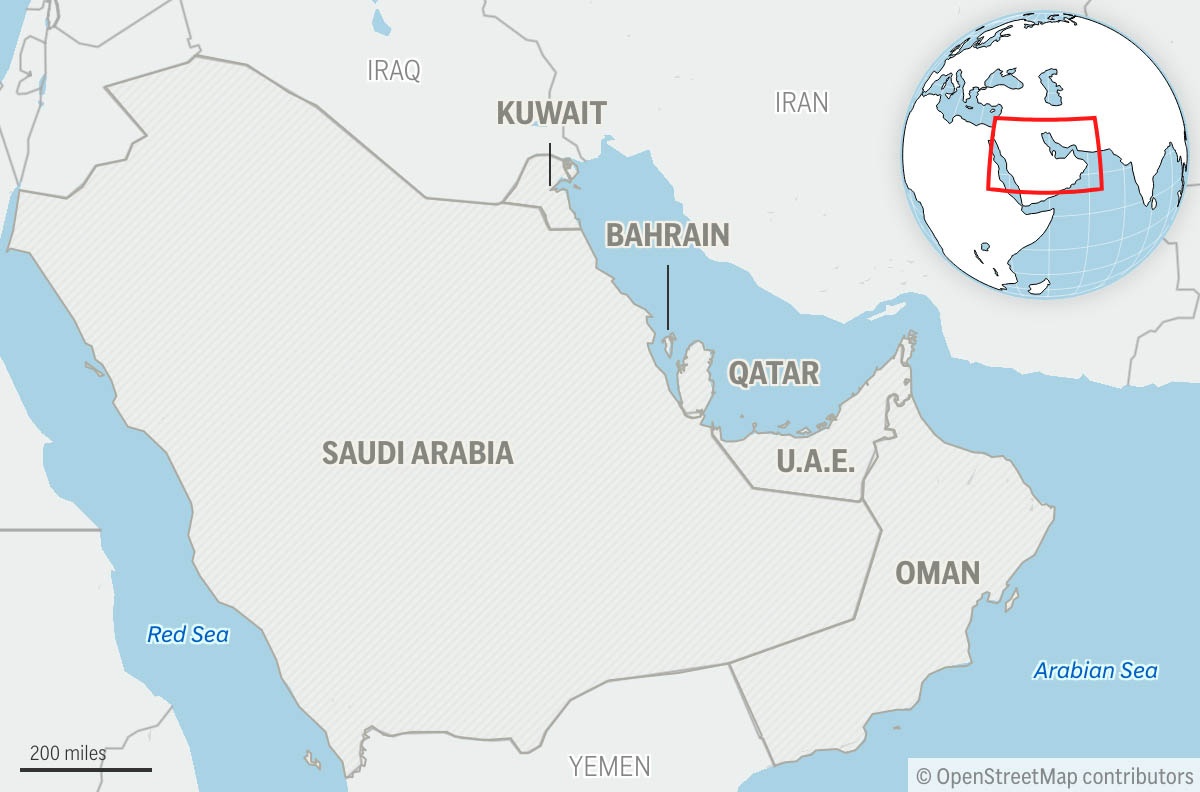
The United States Central Command confirmed it has redirected 118 commercial vessels and physically disabled five others since enforcing a strict naval blockade on Iranian ports. The latest enforcement action occurred in the Gulf of Oman, where an American aircraft fired a Hellfire missile directly into the engine room of the Gambia-flagged cargo carrier Lian Star after the crew ignored more than twenty consecutive military warnings. This aggressive kinetic intervention demonstrates that while diplomatic channels in Washington and Tehran hint at a pending ceasefire extension, the actual war on the high seas is escalating into a destructive economic siege.
The operational reality contradicts the cautious optimism currently coming out of the White House.
The Illusion of a Diplomatic Breakthrough
President Donald Trump recently indicated that a proposed maritime agreement with Tehran was largely finalized, suggesting a 60-day extension of the current fragile ceasefire and the reopening of the strategic Strait of Hormuz. Behind closed doors, however, the administration has abruptly returned the draft text to advisers for extensive modifications. The White House is now demanding significantly tougher provisions regarding Iran's nuclear commitments and absolute verification of unrestricted, toll-free shipping traffic.
This sudden pivot exposes a deep rift between geopolitical rhetoric and tactical execution. While diplomats debate the wording of a treaty, U.S. Navy warships are actively patrolling the Arabian Gulf, the Gulf of Oman, and the North Arabian Sea with orders to neutralize non-compliant merchant traffic. The Joint Maritime Information Center recently upgraded its shipping advisories, explicitly warning global maritime operators that vessels failing to comply with military instructions will be treated as imminent threats and subjected to disabling or destructive fire.
The economic strategy driving this blockade is total isolation. By cutting off Iran's remaining access to international commercial trade and stopping ship-to-ship fuel transfers, Washington is deliberately suffocating an economy already crippled by years of financial sanctions. Yet, this high-stakes pressure campaign carries a severe structural flaw. It assumes that a desperate adversary will choose capitulation over chaos.
Tolls and Tariffs on the Brink of War
Tehran is not retreating. Instead, the Iranian wartime command structure, centered at the Khatam al-Anbiya Central Headquarters, has responded by trying to codify its own draconian restrictions over the Strait of Hormuz. The Islamic Revolutionary Guard Corps (IRGC) Navy now demands that all commercial vessels and oil tankers utilize exclusively designated transit lanes and secure formal authorization from Iranian authorities before entering the waterway.
To enforce this shadow authority, Iran has begun levying unilateral maritime transit tolls reaching up to $2 million per vessel. International maritime lawyers have universally condemned the practice as a flagrant violation of the freedom of peaceful navigation under the United Nations Convention on the Law of the Sea. Tehran justifies these massive fees by claiming they are necessary to fund regional mine-clearance operations.
"The soldiers of the diplomatic battlefield have no trust in the words and promises of the enemy," stated Iranian Parliament Speaker Mohammad Bagher Ghalibaf. "What matters to us are tangible achievements that we must obtain, in exchange for which we will fulfill our commitments."
The maritime industry finds itself caught in a catastrophic double-bind. A shipowner who complies with U.S. blockade directives faces potential seizure or missile retaliation from Iranian coastal batteries. Conversely, an operator who pays the Iranian toll or attempts to slip through the cordon risks a Hellfire missile through the deck plating from an American aircraft, as the crew of the Lian Star discovered.
The Stranded Supply Chains
The conflict began on February 28 following coordinated U.S. and Israeli airstrikes, which prompted Iran to effectively shut down the Strait of Hormuz. Although a fragile ceasefire has been maintained on land since April 7, the maritime blockade that began on April 17 has fundamentally broken global trade routes for energy and agriculture.
The Strait of Hormuz is the world's most critical chokepoint. Millions of barrels of crude oil, massive shipments of liquefied natural gas, and vital global supplies of chemical fertilizers are completely stranded. Food producers and energy consumers worldwide are absorbing the financial shockwaves.
| Blockade Metric | Total Count |
|---|---|
| Commercial Vessels Redirected | 118 |
| Vessels Mechanically Disabled | 5 |
| Vessels Allowed to Proceed | 1 |
| Imposed Transit Tolls | Up to $2 Million |
The underlying assumption of western military planners was that a surgical maritime blockade could isolate Iran without completely breaking the back of global shipping. That assumption has proven completely false. Insurance underwriters have quietly raised war-risk premiums to prohibitive levels, effectively freezing standard commercial traffic through the region regardless of what political agreements are signed in the coming weeks.
Why a Signed Deal Won't Fix the Crisis
Even if the White House secures its desired revisions and a formal diplomatic pact is signed tomorrow, the crisis on the water will persist for months, if not years. The physical reality of a modern naval blockade cannot be turned off like a light switch.
Commercial shipping fleets will not return to the Strait of Hormuz simply because politicians declare it safe. Shipowners will demand verified, independent mine-sweeping operations to clear the drifting naval mines rumored to be floating near Omani waters. Furthermore, the bitter institutional mistrust generated by the disabling of multiple commercial hulls will keep global merchant captains far away from the Gulf of Oman.
The Pentagon remains postured for an extended conflict. Defense officials have explicitly emphasized that the American military is structurally stronger and more heavily deployed in the region today than it was on day one of the hostilities. The administrative apparatus in Washington is fully prepared to transition back to active, kinetic warfare if the current draft negotiations collapse over the nuclear restrictions.
The commercial shipping sector must accept a harsh truth. The old rules of open navigation in the Middle East are dead, and no pending diplomatic signature will easily resurrect them.