The foreign policy establishment is reading the chess board upside down.
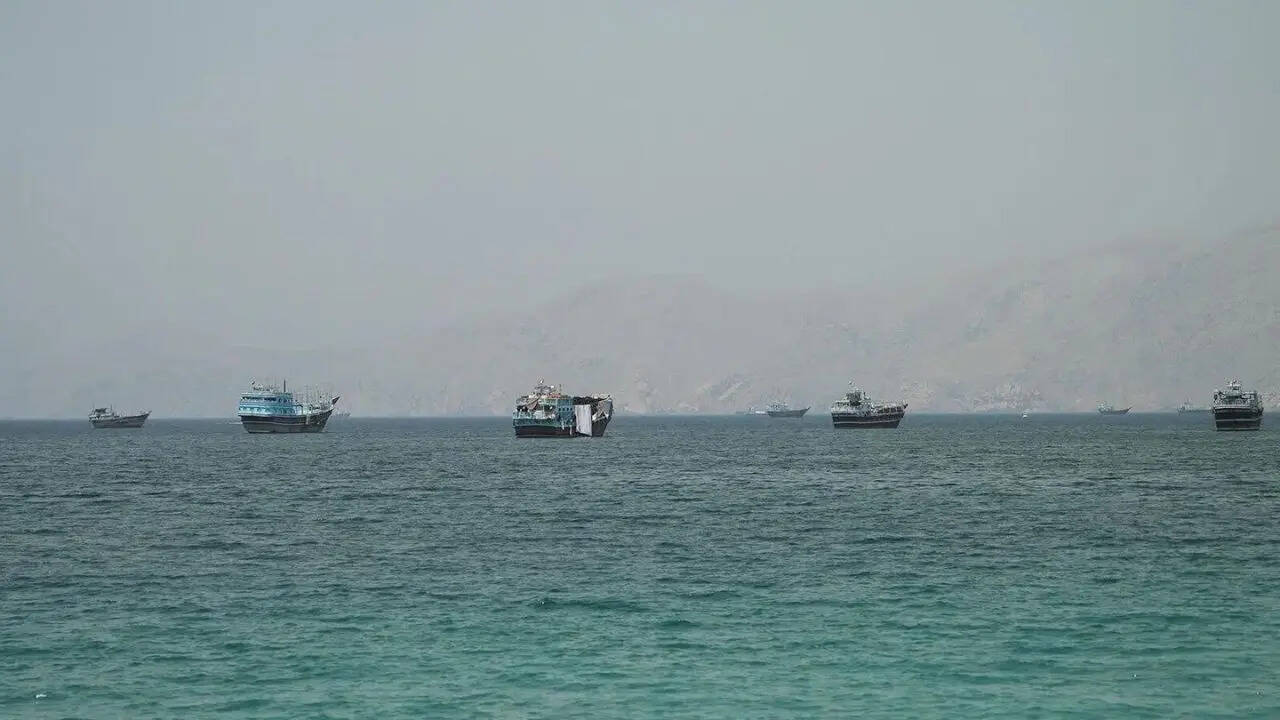
Every time a drone strikes a hull in the Strait of Hormuz or a limpet mine detaches from a tanker, the same chorus of risk analysts, maritime consultants, and think-tank fellows rushes to the microphones. Their script is predictable: Iran is desperate. Tehran is overplaying its hand. This is a tactical spasm that will inevitably isolate the regime and trigger overwhelming retaliation.
It is a comforting narrative. It is also dangerously wrong.
Assessing asymmetric warfare through the lens of Western military doctrine or conventional market logic misses the entire point of the strategy. Tehran isn't "overplaying its hand" because the hand they are playing doesn't rely on winning a conventional confrontation. They are playing for leverage in a fractured global economy, and by every metric that matters to them, the strategy is working perfectly.
The lazy consensus confuses a high-risk strategy with a failing one. Here is the brutal reality of how maritime friction actually dictates global leverage, and why the conventional analysis is dead wrong.
The Flawed Premise of "Overplaying a Hand"
The argument that Iran is overreaching rests on a fundamental misunderstanding of deterrence. Conventional analysts look at the balance of naval power and see an absurdity: how can a state with a surface navy built largely on fast-attack craft and retrofitted frigates hope to challenge the United States Fifth Fleet or a coalition of Western navies?
They assume the goal of these attacks is tactical naval dominance. It isn't.
The objective is the weaponization of uncertainty. In global shipping, certainty is liquidity. Uncertainty is expense. When an insurance underwriter at Lloyd’s of London sits down to calculate War Risk Additional Premiums for vessels transiting the Bab el-Mandeb or the Strait of Hormuz, they do not care about Tehran’s long-term diplomatic isolation. They care about probability and hull values.
I have watched maritime logistics executives panic as insurance premiums spike 400% in a single week after a single, unattributed shadow-war incident. That is not a regime overplaying its hand; that is a cash-strapped state successfully imposing a direct tax on global trade using less than $50,000 worth of hardware.
To say Iran is losing because it faces international condemnation assumes that international approval has a line item on a state budget. For a sanctioned regime, the ability to prove you can choke 20% of the world’s petroleum liquid consumption at will is far more valuable than a polite nod at a Geneva summit.
The Mechanics of Asymmetric Escalation
Let's break down the actual economics of these maritime disruptions, because the math favors the instigator, not the protector.
Consider the cost asymmetry of a standard interception scenario in the Red Sea or the Gulf of Oman:
- The Offensive Asset: A one-way loitering munition or a shore-to-ship cruise missile costs between $20,000 and $100,000 to manufacture and deploy.
- The Defensive Asset: A Western destroyer fires an SM-2 or an Aster 15 missile to intercept it. Cost per shot: $1 million to $3 million.
- The Economic Impact: Even if the intercept is successful 100% of the time—which it never is—the operational burn rate for the defending navy is unsustainable over a multi-month campaign. Meanwhile, commercial container lines reroute around the Cape of Good Hope, adding 10 to 14 days to journeys, blowing up supply chains, and pumping thousands of tons of extra carbon emissions into the air.
This is the definition of winning through attrition without ever fighting a major fleet action.
The establishment analysts love to point out that these attacks unite the international community against the perpetrators. But look closer at the coalition behavior. Do we see a unified, aggressive stance? No. We see fractured coalitions where European partners refuse to place their ships under American command, and regional powers like Saudi Arabia or the UAE quietly sue for diplomatic detentes to protect their own infrastructure.
The friction creates division, not unity. The consensus narrative tells you that aggression brings isolation. The reality is that calculated, deniable aggression forces your neighbors to negotiate on your terms because they realize the West cannot guarantee their security 24/7.
Dismantling the Supply Chain Myth
A common question that surfaces in global trade forums is: Won't blocking these straits ultimately harm Iran's own economic lifelines, specifically its dark-fleet oil exports to Asia?
This question completely misjudges how the "shadow fleet" operates. The tankers carrying sanctioned crude do not operate under standard maritime rules. They use flags of convenience, turn off their Automatic Identification Systems (AIS), engage in ship-to-ship transfers in the middle of the ocean, and rely on specialized, non-Western insurance pools.
When tension rises in the Gulf, standard commercial shipping rates soar because legitimate compliance officers refuse to take the risk. The dark fleet, already operating outside the law, adapts instantly. Furthermore, geopolitical tension drives up the benchmark price of Brent crude. If Iran's export volume drops by 10% due to localized friction, but the global price of oil spikes by 20% due to fear, the net revenue to the regime actually increases.
The Western analyst looks at shipping data and sees chaos. The accountant in Tehran looks at the oil futures curve and sees a successful hedge against sanctions.
The Downside of the Disruption Strategy
To be absolutely fair, this strategy is a high-wire act without a safety net, and it does carry immense risks that the regime must constantly manage.
The biggest vulnerability in the asymmetric playbook isn't a coordinated Western naval response—it is the risk of a catastrophic miscalculation. If a rogue drone strike accidentally sinks a Chinese state-owned supertanker instead of a Western-linked vessel, the diplomatic shield provided by Beijing evaporates instantly. Iran relies heavily on China as its primary economic engine and diplomatic counterweight in the UN Security Council.
Similarly, an attack that causes a massive, catastrophic ecological disaster in the Gulf could permanently alienate regional nations that Tehran is actively trying to court away from the Western orbit. The regime is not omniscient; they are operating with imperfect intelligence and volatile proxies who do not always follow orders to the letter.
But acknowledging these risks does not mean the strategy is failing. It means the stakes are high. There is a massive difference between a player who is gambling recklessly and a player who understands that the only way to stay in the game is to keep the table volatile.
Stop Asking the Wrong Questions
The media continuously asks: How can we deter these attacks?
That is the wrong question because it assumes the adversary wants stability. They do not. The correct question is: How much economic friction is the West willing to tolerate before it concedes on the underlying political and sanctions architecture?
As long as the West treats maritime security as a purely tactical, naval policing issue, it will continue to lose the strategic argument. You cannot solve a political and economic leverage problem by simply driving multi-billion dollar warships in circles around vulnerable merchant vessels.
The current policy of passive defense and occasional, localized retaliatory strikes does not project strength; it signals a profound reluctance to escalate. And in the theater of asymmetric conflict, signaling that you are afraid of a wider war is the fastest way to ensure the pinpricks never stop.
The next time you read an assessment claiming that a maritime incident is a sign of desperation or a move that will backfire on the perpetrators, ignore it. The actors on the water aren't overplaying their hand. They are systematically exploiting the structural vulnerabilities of a fragile, interconnected global economy that relies on free transit but refuses to pay the true political price required to secure it.
The friction will continue because the friction works. Deal with it.