Glass reflects everything and holds nothing.
Stand outside the towering monoliths of steel and tinted windows in Manhattan, and you can see the entire sky compressed into a sharp, cold mirror. The clouds drift past the corporate logos at breakneck speed. Inside, thousands of minds hum in unison, writing the invisible architecture of modern life. Lines of code stretch across monitors like glowing spiderwebs. Coffee cups grow cold beside keyboards. Security cards click against turnstiles with the rhythmic monotony of a metronome.
It is a world built on the promise of absolute control. Every variable is measured. Every data packet is routed. Every human emotion that enters the building is theoretically filtered through badge scanners, visitor logs, and the quiet, polite vigilance of men and women in suits who notice everything.
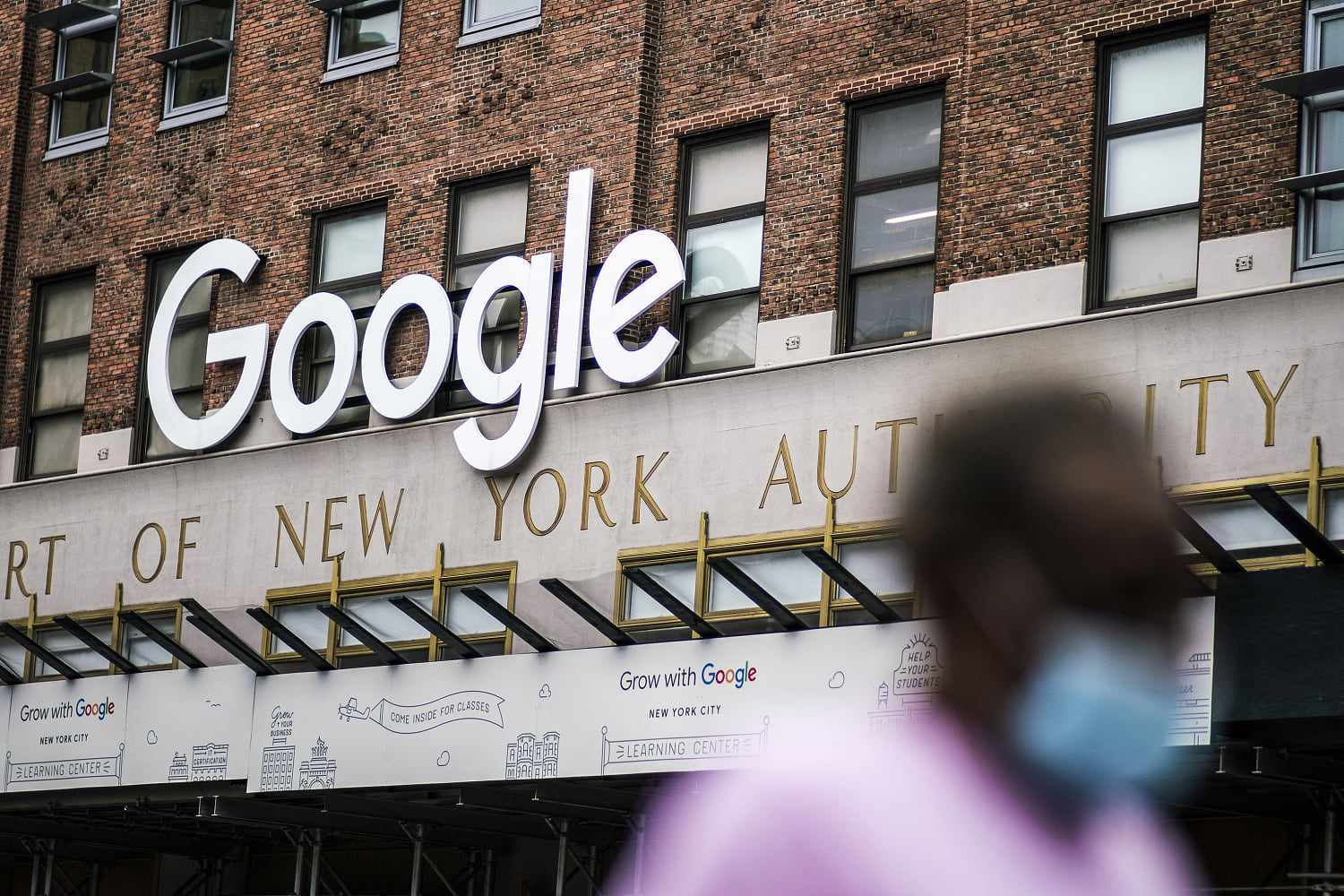
Then, on a Tuesday afternoon in spring, a man brought a container of gasoline into the lobby of Google’s Chelsea office building, poured it over himself, and struck a match.
Fire does not care about algorithms. Fire does not respect firewalls, security clearance, or the carefully curated aesthetic of a tech campus lobby. It is primitive, sudden, and terrifyingly real.
Before the smoke detectors could even register the sudden spike in temperature, the lobby transformed. The sterile hum of efficiency shattered. Security guards moved with a sudden, breathless desperation. Employees stepping out for lunch or returning from meetings froze, their brains struggling to reconcile the mundane reality of an office corridor with the raw, roaring violence of combustion.
The man was later identified as 30-year-old Santhosh Nedunuri. He survived the immediate act, pulled away by those who risked their own safety before the emergency responders arrived, and was rushed to a hospital with severe burns. He faces federal and local charges: arson, reckless endangerment, assault.
The legal system will process him. The charges will be filed, reviewed, debated, and settled in a courtroom where the language is clinical and detached.
That is how we prefer to handle tragedy. We wrap it in legal terminology. We assign case numbers. We treat it as an isolated anomaly, an administrative glitch in a system designed to run smoothly.
We do not like to look at the ash.
To understand why a human being reaches a point where setting oneself on fire inside a corporate sanctuary seems like the only remaining language, we have to strip away the press releases. We have to look past the official statements from corporate communications departments that offer standard, practiced condolences and reassure the public that operations are returning to normal.
Normal.
That word carries a heavy burden. For the tech worker tapping away on the fourteenth floor, normal resumed within hours. Elevators started moving again. The smell of scorched carpet and melted plastic was scrubbed away by night crews. The security protocols were tightened, perhaps. A new policy memo might circulate about visitor vetting. The machine adjusted its belt and kept turning.
But what about the spaces in between?
Consider the modern relationship with the institutions that shape our daily reality. We live our lives mediated by platforms that we neither fully understand nor control. They dictate what we see, how we communicate, how we work, and increasingly, how we perceive our own worth. To many, these corporate entities are no longer just companies; they are the weather. They are the climate of our existence. You cannot argue with the weather. You cannot vote against the wind.
When a person feels entirely erased by an invisible system—whether through a perceived grievance, a mental health crisis exacerbated by isolation, or the overwhelming alienation of a hyper-connected world—the desperate urge is to make a mark that cannot be deleted.
Digital footprints can be erased with a keystroke. Accounts can be suspended. Profiles can be wiped clean.
Fire leaves a permanent stain.
It is a chilling thought, and perhaps an uncomfortable one. We want our news neatly categorized. We want villains and heroes, clear motives and simple explanations. We want to be able to point our fingers at a single disturbed individual and say, That is separate from us. That is an aberration.
Yet the line between the individual in crisis and the society that surrounds him is far blurrier than we care to admit.
We have built a world of astonishing technical wizardry. We can talk to someone across the planet in real-time, access the sum of human knowledge in a fraction of a second, and automate the mundane tasks of daily survival. Yet we are lonelier than ever. We are hyper-connected and profoundly disconnected at the exact same time. The infrastructure of our lives expands outward into the cloud while our internal emotional landscapes shrink into dark, unventilated rooms.
When the flames rose in that Chelsea lobby, they illuminated a deeper fracture. They cast a harsh, flickering light on the quiet desperation that hums just beneath the surface of our high-speed, high-stakes urban existence.
Security guards in corporate lobbies are trained to look for weapons, unauthorized badges, suspicious packages. They are not trained to read the silent erosion of a human soul. No algorithm can predict the exact moment a mind breaks under the weight of its own invisible burdens. No firewall can protect a person from the devastating realization that they have become invisible in a crowd of millions.
Hours after the incident, the street outside the building returned to its frantic rhythm. Taxis honked. Pedestrians rushed past with earbuds firmly planted, listening to podcasts, music, or white noise to drown out the city. The glass facade of the building mirrored the passing clouds once again, clear and indifferent.
Inside, the carpet has been replaced. The air is clean.
The machine moves forward, relentless and unyielding, processing data, answering queries, optimizing the future. But somewhere beneath the polished stone and the hum of the servers, the memory of smoke remains, a quiet reminder of the fragile, breathing humanity trapped inside the gears.