Foreign policy rarely swings an election on its own, but when external powers step directly into a domestic race, the political gravity shifts overnight. As Brazil heads toward its crucial October presidential showdown, the campaign trail has turned into a high-stakes referendum on how the country handles aggressive trade pressures from Washington and an expanding economic footprint from Beijing.
Instead of isolating incumbent leadership, outside economic pressure has accidentally handed domestic politicians a potent nationalist weapon. Let us look at why Washington's heavy-handed tactics are achieving the exact opposite of their intended goals.
The Backfire of Washington Trade Pressure
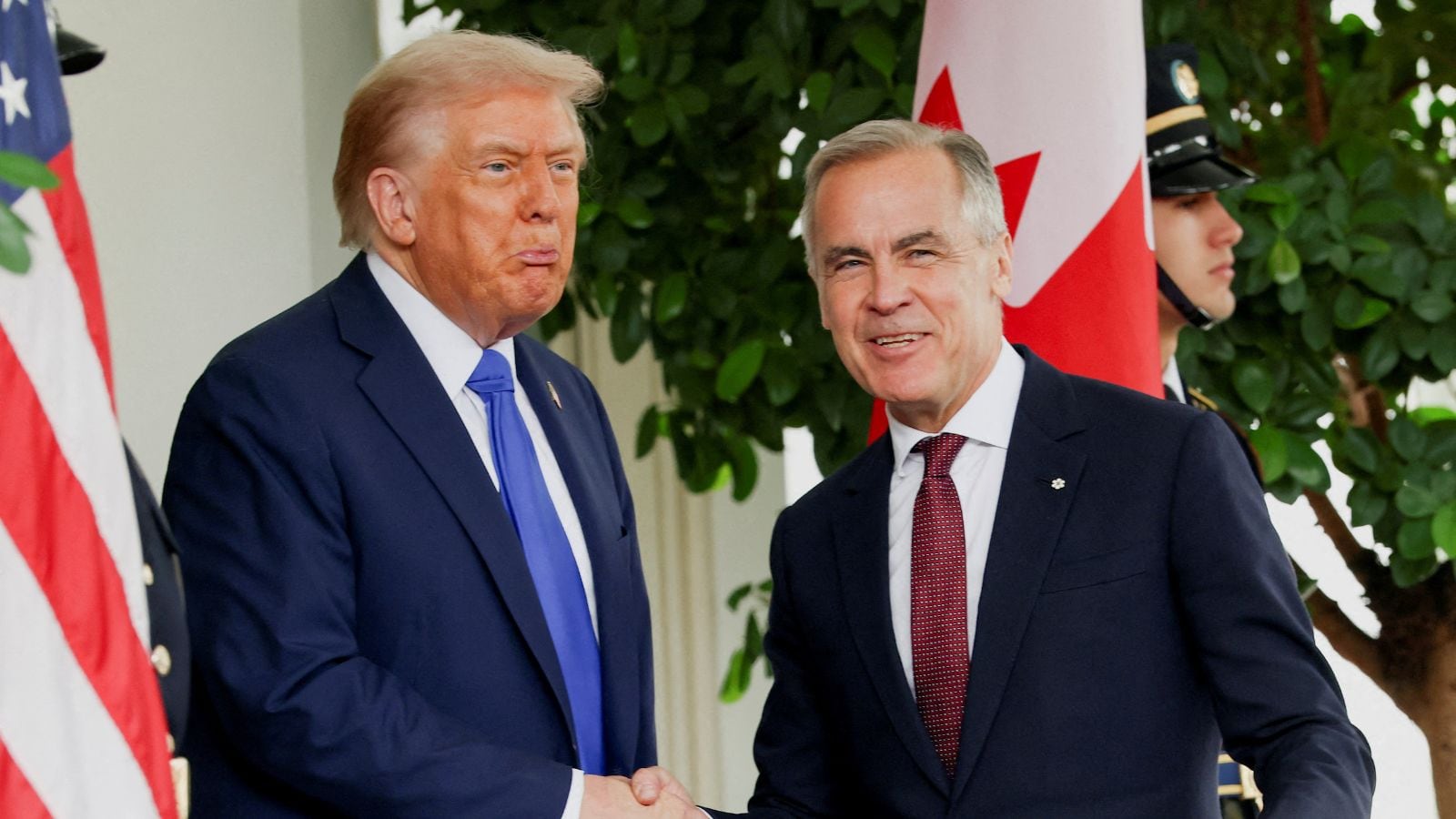
Tariffs are rarely just about economics. When the United States implemented sweeping economic restrictions and a series of punitive duties on Brazilian exports, the move was widely interpreted in Brasília as an open attempt to influence domestic political outcomes.
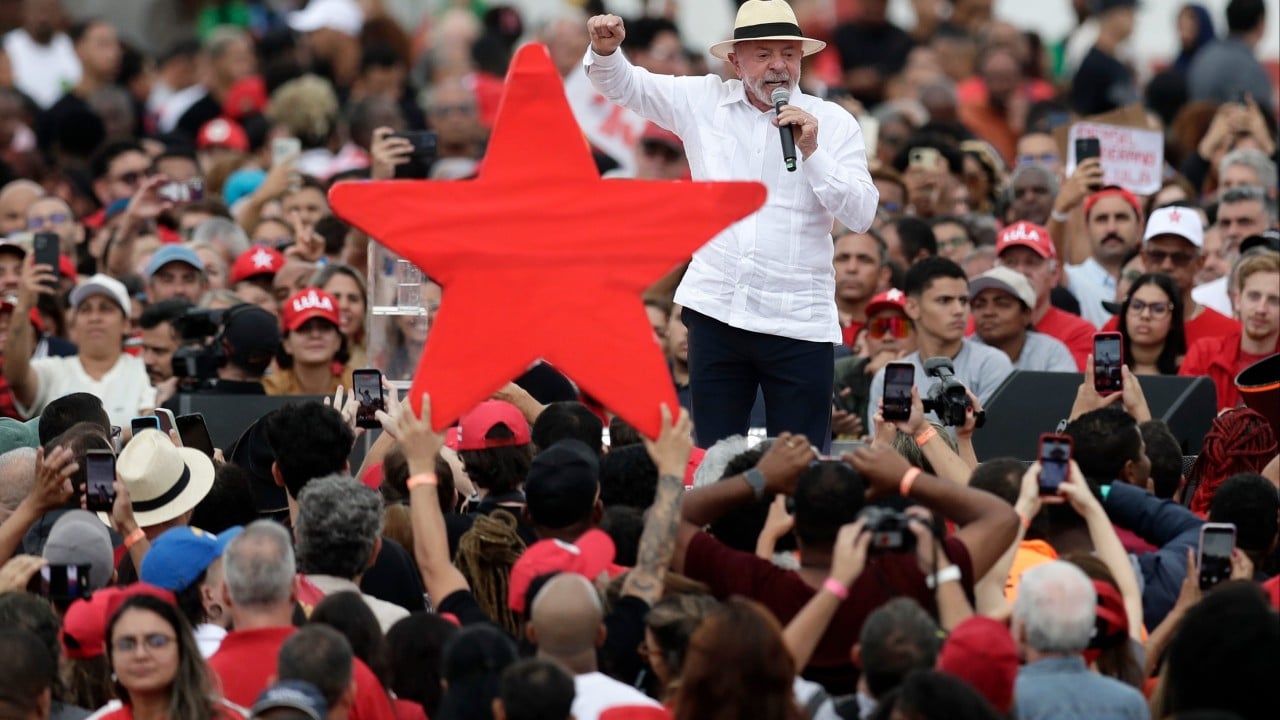
President Luiz Inácio Lula da Silva seized on the diplomatic friction, framing trade hostility as foreign meddling designed to aid his conservative opposition. It is a classic political playbook: wrap yourself in the national flag when an external actor tries to dictate terms. Polling data shows that a significant portion of the Brazilian electorate views these trade penalties as politically motivated interference rather than legitimate economic dispute resolution.
Washington also set its sights on Brazil's wildly successful instant payment infrastructure, known as Pix. By targeting a homegrown financial technology that millions of everyday Brazilians use daily, external critics managed to alienate ordinary citizens who see the attacks as out-of-touch interference with national pride.
The Chinese Alternative and Critical Minerals
While relations with the West remain tense, Beijing is more than happy to fill any vacuum left behind. China has spent years solidifying its position as Brazil's largest trading partner, absorbing massive quantities of agricultural exports, iron ore, and crude oil.
The friction with the United States is accelerating a broader realignment. Brazil sits on the world's second-largest reserves of rare earth elements, which are essential for modern electronics, defense systems, and electric vehicle motors. As Western nations scramble to secure non-Chinese supply chains for critical minerals, domestic lawmakers in Brasília are attempting to draft strict legislation requiring foreign investors to build local processing capacity rather than simply shipping raw materials overseas.
Even so, erratic trade policies from Washington convince local business leaders that traditional Western partners are too unpredictable. When forced to choose between an unreliable economic partner and an entrenched buyer like China, more sectors are leaning toward the latter for long-term stability, regardless of geopolitical warnings.
The Domestic Fallout for the Opposition
The political cost of these external maneuvers falls heaviest on the domestic right. Critics have successfully pinned the burden of foreign trade penalties directly on opposition figures who maintain close ties with U.S. policymakers.
Electoral debates now center on national sovereignty and economic self-determination. When voters feel cornered by foreign tariffs, they tend to rally around the sitting administration, turning what should have been a vulnerable debate on inflation and fiscal management into a defense of national dignity.
Coercion simply does not work in a country as economically autonomous as Brazil. Every time an external capital attempts to force a domestic outcome, it reinforces the narrative that true strategic independence requires looking east and south rather than depending solely on traditional northern alliances.
Check your local electoral updates through the Superior Electoral Court to follow the official campaign developments as election day approaches.