The diplomatic machinery in Washington has quietly outsourced the most volatile security project of the decade to East Africa. Uganda and Burundi are preparing to send battalions into the ruins of the Gaza Strip under a United States-backed framework. This deployment relies on the political machinery of the Trump administration's proposed ceasefire and post-war stabilization architecture. Western capitals want an international footprint on the ground. Western capitals also refuse to put their own soldiers in the crosshairs.
Enter the Uganda Peoples' Defence Forces and the National Defence Force of Burundi. Both militaries carry decades of brutal, frontline counter-insurgency experience from the African Union mission fighting al-Shabab in Somalia. They know how to survive asymmetric warfare in hostile urban environments. They understand logistics lines that function purely on willpower and foreign sponsorship. Yet, sliding into the shifting fault lines of the Gaza Strip is an entirely different operational hazard. In similar updates, we also covered: Why the Tragic Death of Gurdeep Singh Exposes the Harsh Reality of the American Dream.
The Anatomy of a Fragile Coalition
The numbers tell an immediate story of hesitation mixed with calculated ambition. Uganda has formally approved sending approximately 1,200 personnel through parliamentary channels, while Burundi moves closer to formalizing a similar troop commitment following recent military delegations to Israel. They join a patchwork International Stabilization Force that includes small contributions from nations like Morocco, Kosovo, Kazakhstan, and Albania.
Yet, this coalition falls drastically short of the 20,000-strong force envisioned by American planners under the direction of U.S. leadership, including Major General Jasper Jeffers. Why are major global powers sitting this out while East African states step forward? The answer is simple realpolitik. Western nations fear body bags and legal liabilities. Kampala and Bujumbura calculate that participation buys invaluable diplomatic capital in Washington and crucial financial backing for their security apparatuses. The Guardian has provided coverage on this fascinating subject in extensive detail.
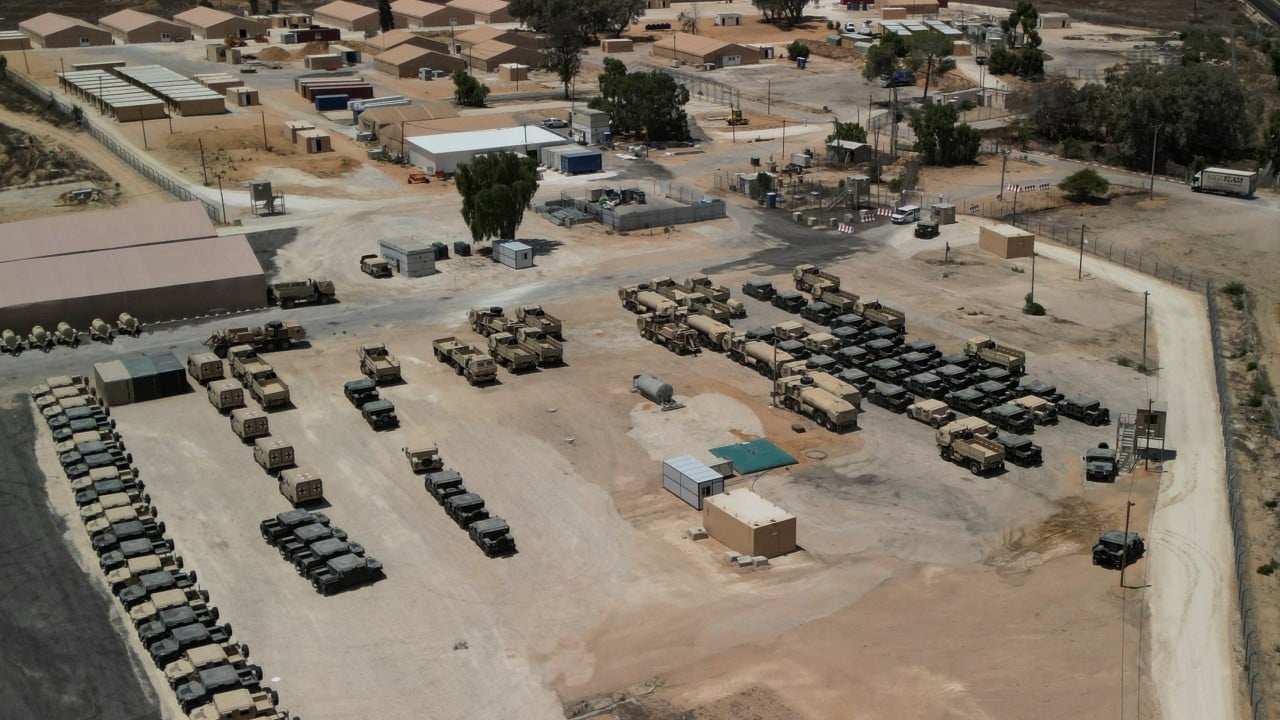
Military officers from Uganda and Burundi recently conducted pre-deployment site surveys in southern Gaza, inspecting areas around Rafah alongside foreign defense officials. These visits are stage-managed to project competence. Behind closed doors, the operational risks are staggering. The proposed International Stabilization Force is designed to monitor a fragile ceasefire, secure aid distribution routes, and train a new technocratic Palestinian police force.
None of these tasks can happen safely while active combat elements and entrenched insurgent networks retain operational freedom. If Hamas refuses full disarmament or if Israeli forces maintain operational control over critical corridors, these incoming battalions will find themselves trapped between hostile factions with zero margin for error.
The Financial Engine Driving the Deployment
Military deployments of this scale do not happen out of humanitarian goodwill. Decades of observing international interventions teach us that financing dictates longevity. The United States government recently notified Congress of significant funding injections to jumpstart the stabilization framework, funneling hundreds of millions of dollars toward the proposed security architecture.
For cash-strapped governments in East Africa, sending troops abroad is an economic stabilizer. When peacekeeping missions draw international funding, national defense budgets receive indirect relief, and elite military units secure reliable streams of allowances and equipment upgrades. This dynamic mirrors decades of deployments in Somalia, where the African Union framework kept regional militaries financially solvent even as domestic political dissent grew.
However, external funding brings external dependencies. If political winds shift in Washington, or if congressional oversight committees freeze allocations over human rights concerns or policy disagreements in the Middle East, the financial lifeline backing these East African brigades could snap overnight. An abandoned peacekeeping contingent in a devastated enclave quickly transforms into an abandoned hostage situation.
Strategic Realities on the Ground
Deploying East African soldiers to the Levant exposes deep regional contradictions. Uganda has long maintained complex, quiet intelligence and security ties with Israel, tracing back decades. Aligning too closely with an American-led, Israeli-vetted stabilization plan creates severe diplomatic friction for Kampala across parts of the African continent where public sentiment strongly favors the Palestinian cause.
Governments must weigh the financial incentives of Western security partnerships against the long-term cost of regional alienation. Furthermore, the tactical reality of urban policing in Gaza defies standard counter-insurgency playbooks. Unlike open bush warfare or rural outposts in East Africa, Gaza is an engineered landscape of concrete rubble, underground tunnels, and densely packed civilian settlements.
Training local police forces and monitoring demilitarized zones requires absolute neutrality. If the local population views the International Stabilization Force as an extension of occupying or coercive power rather than a neutral shield, the mission will bleed out from day one. Intelligence reports indicate that Hamas has expressed conditional openness to technocratic administrative committees, but resistance to foreign enforcement remains volatile.
The success of these battalions depends entirely on whether a genuine political settlement anchors the ceasefire. Without a permanent political horizon, foreign peacekeepers stop being peacekeepers and start becoming targets. Uganda and Burundi are stepping into a geopolitical blender disguised as a stabilization mission. The real test will not be how many troops they can fly into the region, but whether they can extract them intact when the architecture inevitably fractures.