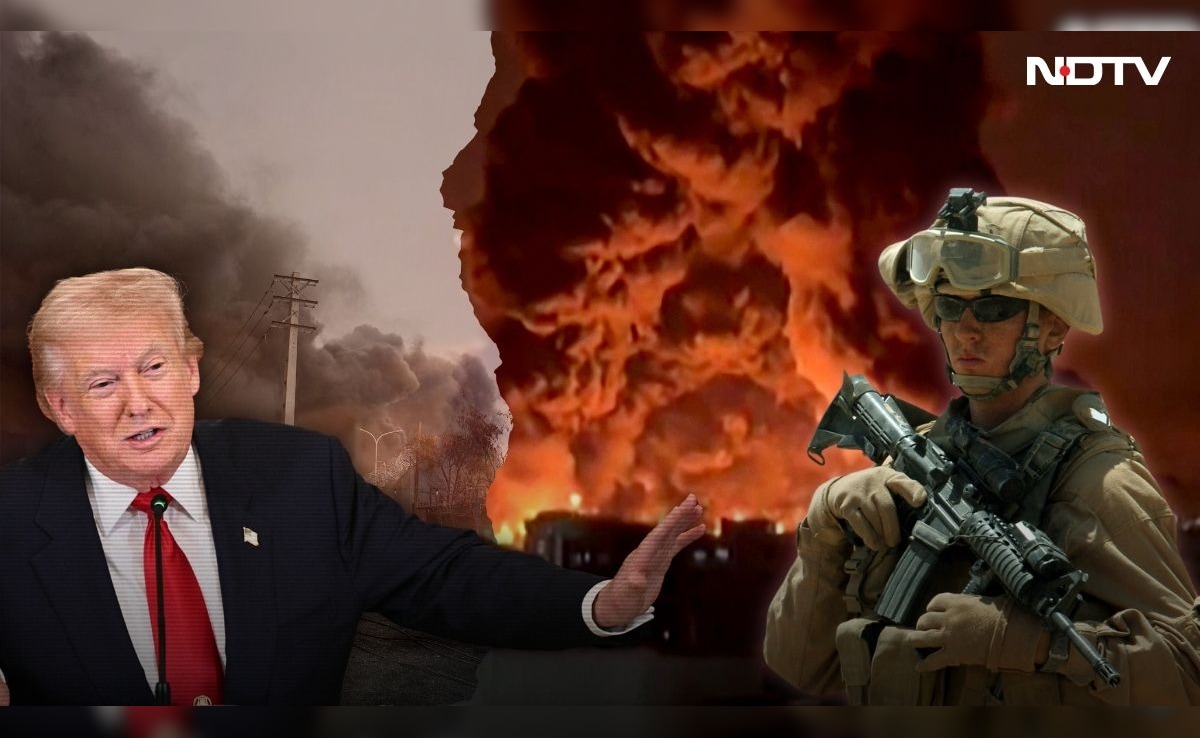
The global energy market is currently held hostage by a ghost. While traditional oil benchmarks like Brent and WTI fluctuate based on public production reports, the true pulse of the world’s crude trade is being set in the dark. As of March 2026, Iran’s ability to move over 1.5 million barrels of oil per day despite total diplomatic isolation is no longer just a "big deal"—it is the primary structural challenge to Western economic leverage. The recent escalation in the Persian Gulf, marked by targeted strikes on infrastructure and a partial blockade of the Strait of Hormuz, has finally forced the world to acknowledge what was once a whispered secret: the "shadow fleet" is the only thing standing between Tehran and total economic collapse.
Understanding this crisis requires looking past the simple narrative of "sanctions vs. exports." The reality is an intricate, multi-layered ecosystem of deceptive shipping, front companies in jurisdictions like Suriname and the UAE, and a desperate hunger for discounted fuel in China’s independent refining hubs. This isn't just about oil; it’s about a parallel financial system that has successfully eroded the power of the U.S. dollar as a geopolitical weapon.
The Architecture of the Shadow Fleet
For years, the Islamic Republic has refined a method of "maritime camouflage" that renders standard tracking tools nearly useless. This is not a ragtag group of aging tankers; it is a sophisticated, coordinated network.
- AIS Spoofing and Dark Activity: Many tankers in the Iranian fleet engage in "spoofing," where their Automatic Identification System (AIS) broadcasts a false location. A ship might appear to be anchored safely off the coast of Oman while it is actually loading crude at Kharg Island.
- Flag Hopping: Vessels frequently change their registration—or "flag"—between registries with minimal oversight, such as Panama or Liberia, to evade detection. When one registry gets too hot, they simply re-register under a new shell company.
- Ship-to-Ship (STS) Transfers: The most critical link in the chain occurs in international waters, often off the coast of Malaysia. Iranian crude is transferred from a sanctioned tanker to a "clean" vessel. This process often involves blending the oil with other grades to mask its chemical signature, allowing it to be relabeled as "Malaysian Blend."
The sheer scale of this operation is staggering. Industry analysts estimate that the Iranian shadow fleet now includes hundreds of vessels. In 2025 alone, these "ghost ships" moved approximately $50 billion worth of oil. That revenue doesn't just fund the state; it fuels a network of regional proxies and a military apparatus that has recently proven its ability to strike back at global energy nodes.
The China Connection: Why the Teapots Won’t Stop
If the shadow fleet is the circulatory system, China’s "teapot" refineries are the heart. These independent refineries, mostly located in Shandong province, have become the primary destination for Iranian crude. In early 2026, data suggests that China accounts for over 90% of Iran's total oil exports.
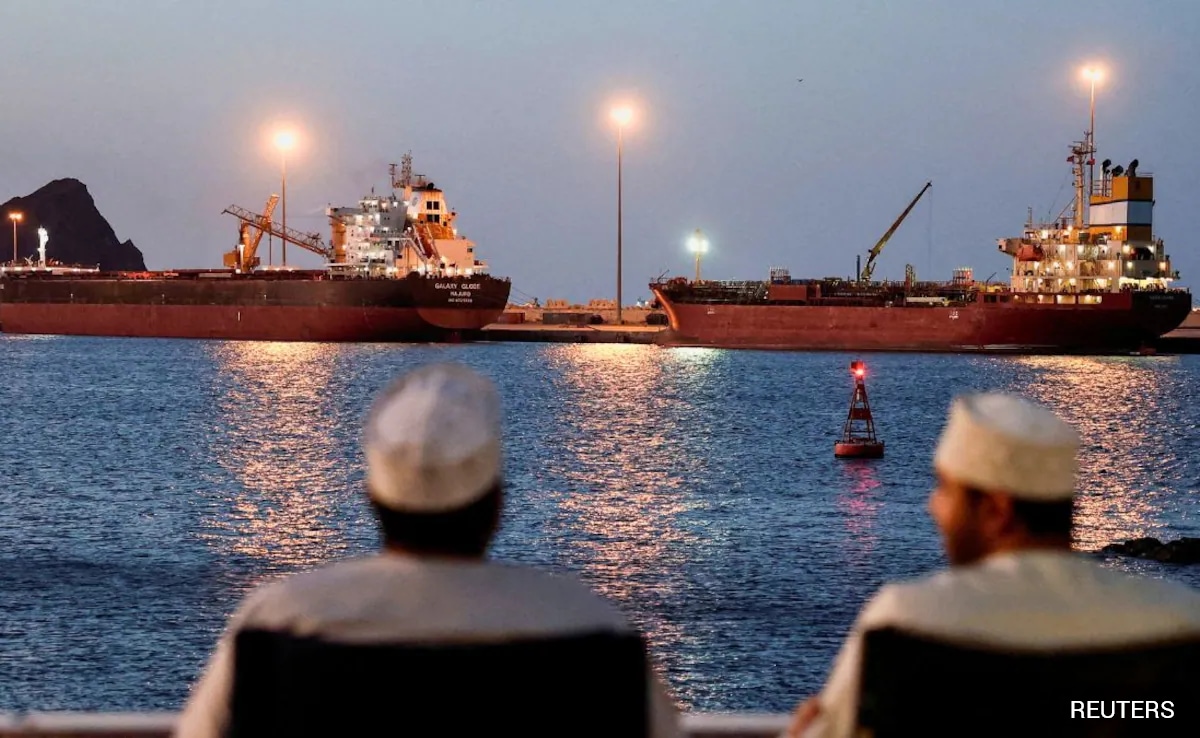
The motivation for these refineries is purely bottom-line. Iranian oil is often sold at a steep discount, sometimes $10 to $15 below the Brent benchmark. For independent operators with thin margins, these "sanctioned barrels" are the difference between profit and bankruptcy. Even as the U.S. and Israel intensify strikes on Iranian export terminals, these refineries have a buffer. Reports indicate that over 200 million barrels of Iranian oil are currently sitting in "floating storage"—tankers acting as temporary warehouses—and bonded storage in Chinese ports.
This creates a significant diplomatic stalemate. The U.S. cannot easily shut down these flows without risking a direct trade confrontation with Beijing, which views its energy security as a sovereign right that supersedes Western sanctions.
The Fragility of the "Safe" Routes
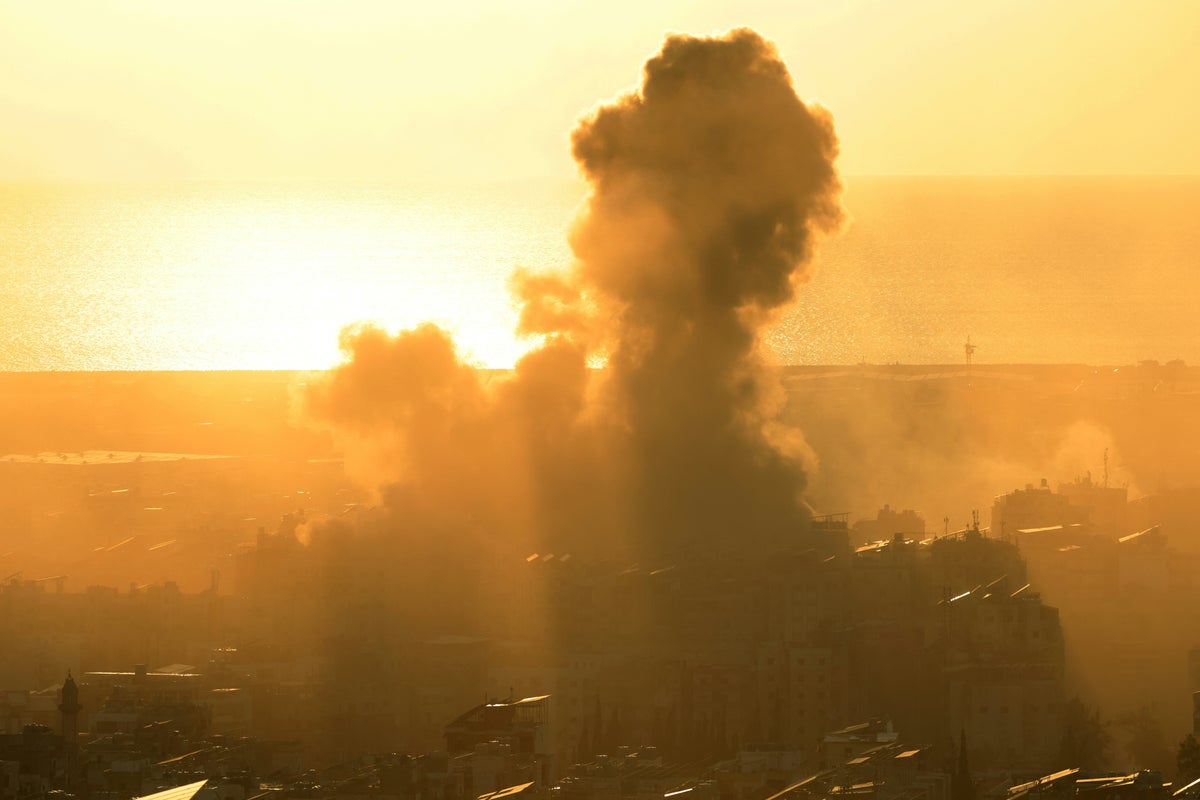
The recent strikes on Kharg Island, which handles nearly 90% of Iran’s crude exports, have sent oil prices surging past $100 per barrel. However, the damage isn't confined to Iran. The geography of the Persian Gulf means that any conflict inevitably spills over into the shipping lanes used by Saudi Arabia, Kuwait, and the UAE.
While Saudi Arabia has the East-West Pipeline and the UAE has the Fujairah bypass, these are not total solutions. The East-West Pipeline has a nominal capacity of 5 million barrels per day, but much of that is already spoken for by domestic refineries and existing contracts. If the Strait of Hormuz remains contested, there is simply not enough "spare pipe" in the world to replace the 20 million barrels that pass through those narrows every day.
The market is currently pricing in a "structural disruption" rather than a temporary shock. This is a fundamental shift. Traders are no longer asking if supply will be interrupted, but how long the infrastructure will take to rebuild.
The Failure of Enforcement
Decades of "maximum pressure" have reached a point of diminishing returns. The emergence of a "sanctioned bloc"—comprising Iran, Russia, and to some extent Venezuela—has created a self-sustaining market for illicit energy. They share technology, shipping routes, and insurance networks that operate entirely outside the SWIFT banking system.
The seizure of tankers, such as those under "Operation Southern Spear" in late 2025, serves as a deterrent but hasn't stopped the flow. For every ship seized, three more appear with fresh paint and a new name. The overhead cost of the shadow fleet—higher insurance, "danger pay" for crews, and the cost of shell company maintenance—is simply factored into the discount offered to buyers.
The hard truth is that as long as there is a buyer willing to look the other way, and a seller desperate enough to discount their only liquid asset, the oil will move. The current military escalation may damage the physical piers and pipes, but it cannot easily dismantle the digital and legal web that Tehran has woven over forty years of economic warfare.
The Cost of the Deadlock
The world is now entering a period where energy prices are dictated by the success of drone strikes and the stealth of ghost tankers rather than supply and demand. For the consumer, this translates to sustained inflation. For the geopolitical strategist, it represents a world where the primary tool of Western diplomacy—the economic sanction—is losing its edge.
The Iranian oil trade is no longer a peripheral issue; it is the center of a new, fractured global economy. The battle for Kharg Island is merely the visible part of a much larger, invisible war for the future of global energy security.
If you are following the impact of these disruptions on your portfolio, I can analyze the latest OPEC+ production adjustments or the current status of the Strait of Hormuz blockade.