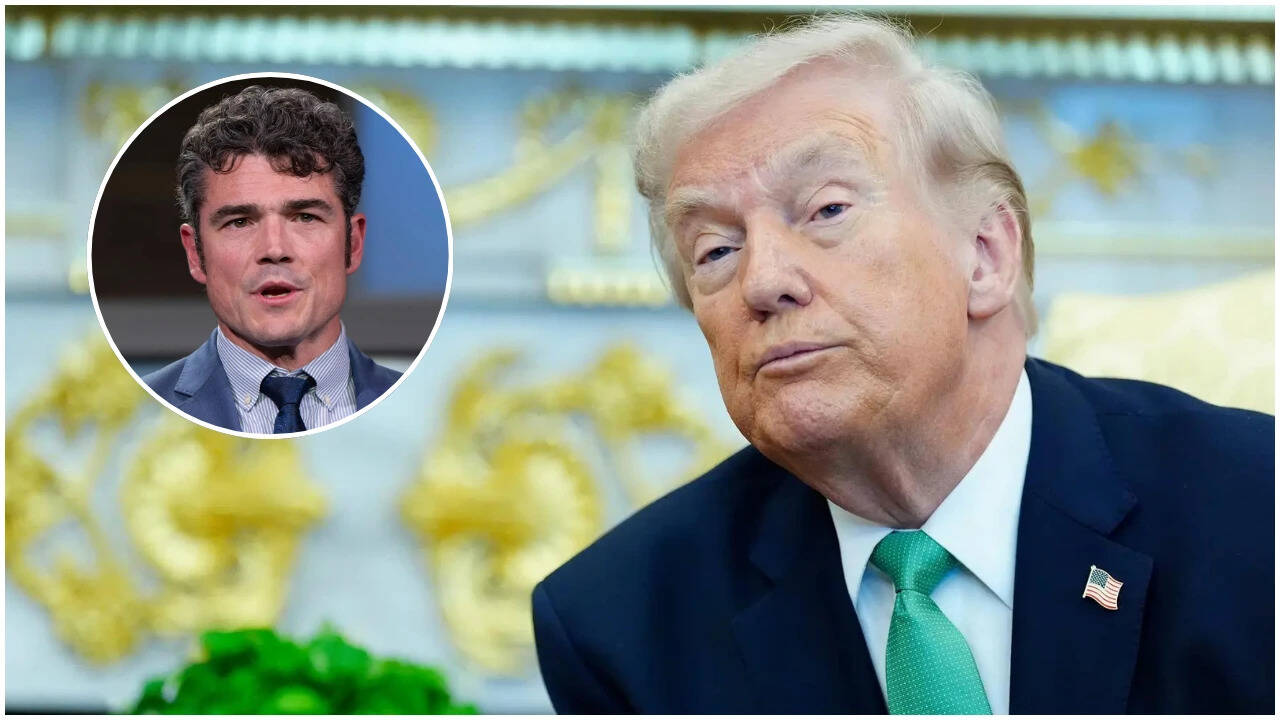
Donald Trump isn't one for long goodbyes or sentimental departures. When Joe Kent, the Director of the National Counterterrorism Center, threw his resignation letter onto social media on Tuesday, the President didn't blink. He did what he always does when a hand-picked loyalist jumps ship: he claimed he barely knew the guy and called him weak.
But here’s the thing. You don't nominate someone to lead the country's central hub for terror intelligence if you think they’re "weak on security." This isn't just another personnel shuffle in a chaotic administration. It’s the first major crack in the MAGA firewall over Operation Epic Fury, and it suggests the "America First" crowd is starting to realize they’re stuck in exactly the kind of Middle Eastern quagmire Trump promised to avoid.
The letter that burned the bridge
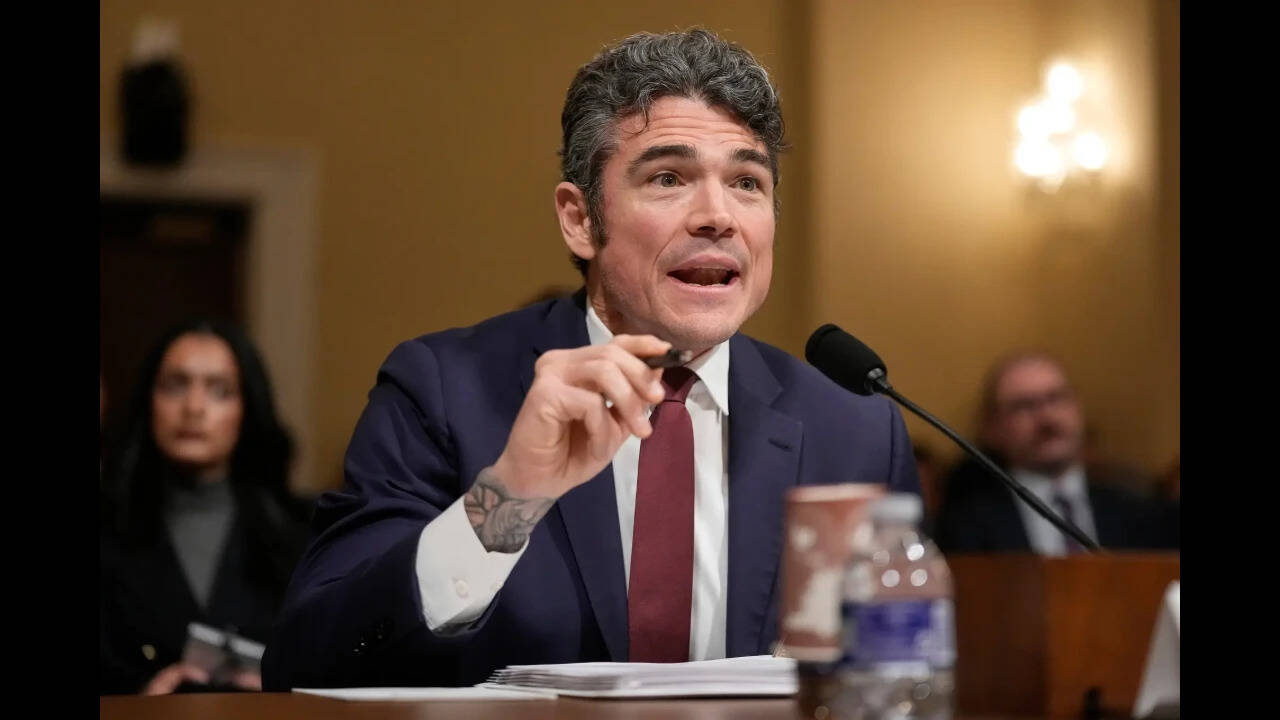
Joe Kent wasn't some "deep state" plant. He's a retired Special Forces officer with 11 combat deployments. His wife, Navy Senior Chief Shannon Kent, was killed by an ISIS suicide bomber in Syria in 2019. If anyone has the "America First" street cred to challenge a war, it’s him.
In his resignation, Kent didn't hold back. He flatly stated that Iran posed "no imminent threat" to the United States. That's a direct hit to the administration’s legal justification for the strikes that began on February 28. Even more explosive was his claim that the U.S. was "pressured" into this conflict by Israel and a "misinformation campaign" designed to deceive the President.
Kent basically told the world that the President he supported for a decade has been played. He described the war as a "trap" and pleaded with Trump to "reverse course." It’s a stunning reversal for a man who spent years defending Trump’s foreign policy on cable news.
Trump's "nice guy" defense
Trump’s reaction at a St. Patrick’s Day reception was classic. He told reporters that Kent was a "nice guy" but "very weak on security."
"When I read his statement, I realized that it's a good thing that he's out because he said that Iran was not a threat," Trump said. He doubled down, insisting that Iran was a "tremendous threat" to every country.
This is a pattern we’ve seen with Mattis, Kelly, and Bolton. The moment an official disagrees with the path, they’re suddenly "not smart" or "not savvy." But Kent’s exit is different. He’s leaving because he thinks Trump is being too hawkish—a complete flip of the usual script where officials quit because they think Trump is being too soft or isolationist.
A war without a clear exit
While the White House dismisses Kent, the reality on the ground in Iran is getting uglier. Operation Epic Fury is now in its third week. U.S. officials say 13 service members have already been killed. In Iran, the death toll is over 1,300.
The strategy seems to be a moving target. Is the goal regime change? Is it stopping nuclear enrichment? Is it just "dominance," as Trump often claims? House Speaker Mike Johnson tried to back the President up, saying the "imminent threat" involved Iran being close to nuclear enrichment. But if the head of the National Counterterrorism Center didn't see that threat, who is actually looking at the raw data?
The friction isn't just inside the White House. Major allies like the UK and Australia have already refused to send ships to help reopen the Strait of Hormuz. Trump’s response? He says the U.S. doesn't need NATO anyway. It’s a bold stance, but it’s one that leaves American forces increasingly isolated in a region that's becoming a powder keg.
The growing rift in the base
Kent’s resignation mirrors a growing unease among Trump's most loyal supporters. Figures like Tulsi Gabbard, the Director of National Intelligence and Kent's boss, have been notably quiet since the strikes began. Gabbard has built her entire brand on anti-interventionism. Now, she’s overseeing the intelligence for a war that her top deputy just called a "manufactured" mistake.
This is the central tension of Trump’s second term. He campaigned on ending "forever wars," yet he’s now embroiled in a conflict that looks more like the Iraq War than anyone cares to admit. Kent explicitly mentioned Iraq in his letter, calling it a "disastrous" precedent.
When your own counterterrorism chief says you're repeating the mistakes of 2003, you've got a problem that a "nice guy" dismissal won't fix.
What happens next
The immediate fallout will likely be a messy Senate hearing. Democrats are already circling, with Senator Mark Warner calling Kent’s concerns "justified." They want to see the intelligence that prompted the February 28 strikes. If that intelligence is as thin as Kent suggests, the administration's legal standing for the war could evaporate.
For those watching this from the outside, don't expect a sudden shift in policy. Trump tends to dig in when he's challenged. But watch the "America First" influencers and the military veterans within the GOP. If more of them follow Kent’s lead, the political cost of this war might soon outweigh any perceived strategic gain.
If you're following the escalation in the Gulf, pay close attention to the upcoming testimony from Tulsi Gabbard. Her response to her deputy’s resignation will tell us if the internal revolt is just beginning or if Kent is truly on an island.
Keep an eye on the fuel prices and shipping routes through the Strait of Hormuz—those are the real-world metrics that will determine how much longer the American public tolerates this "pre-emptive" campaign.