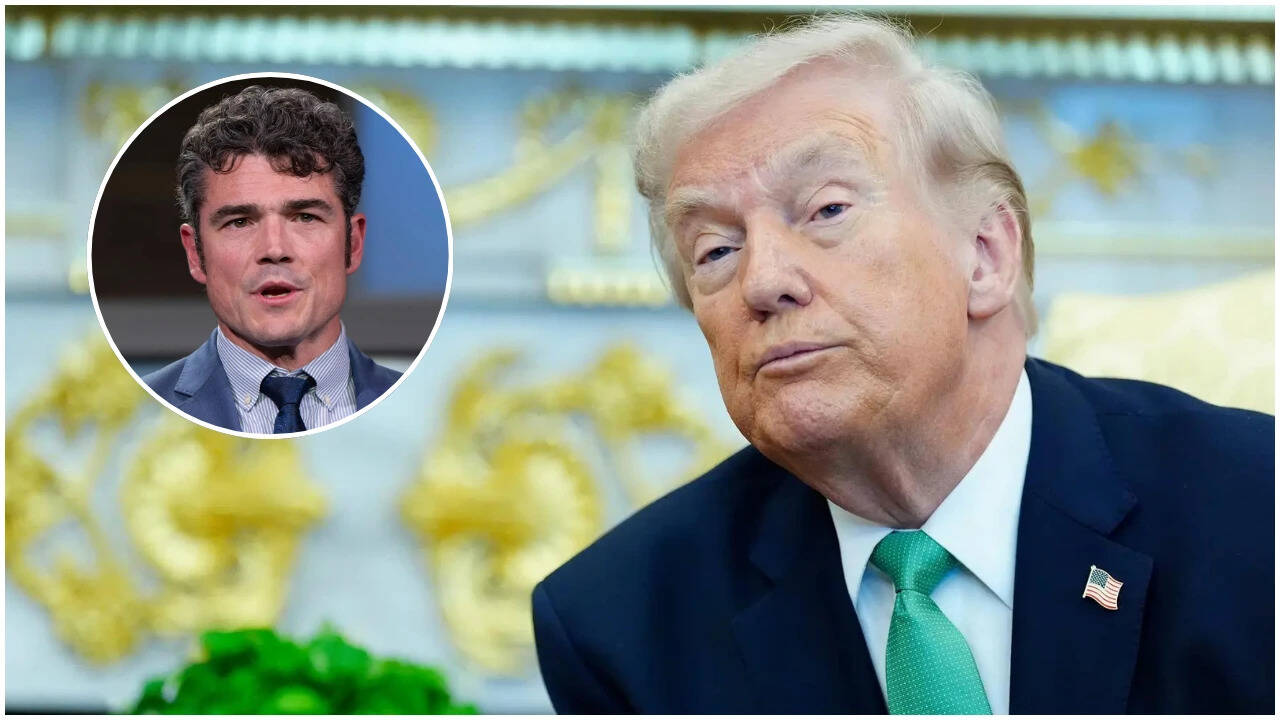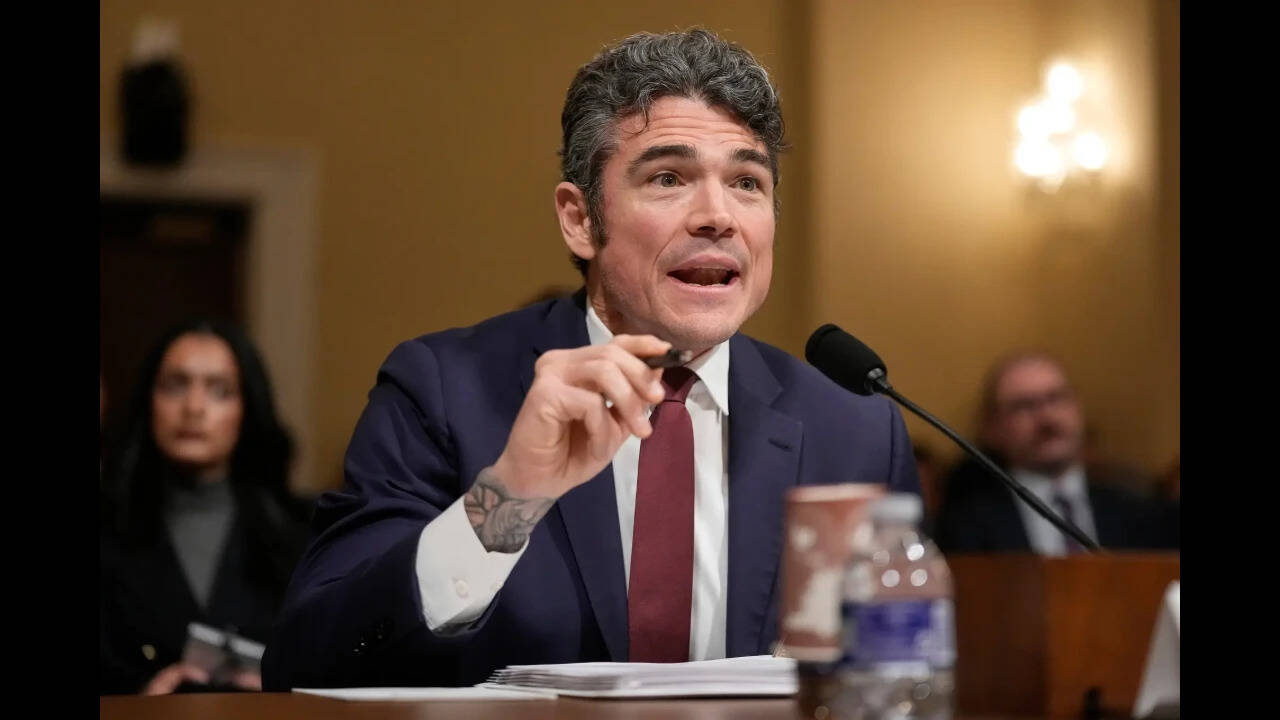
Joe Kent didn't just quit his job. He lit a match on his way out the door and tossed it into the tinderbox of the Trump administration’s foreign policy. On Tuesday, the Director of the National Counterterrorism Center (NCTC) handed in a resignation letter that reads less like a career move and more like an indictment. He claims he "cannot in good conscience" support a war in Iran that he says was manufactured by foreign interests and based on a lie.
The White House isn't taking it quietly. Press Secretary Karoline Leavitt called the letter’s allegations "laughable" and "insulting." But for a president who built his brand on "America First" and ending "forever wars," having his hand-picked counterterrorism chief bail three weeks into a new conflict is more than a PR headache. It's a full-blown identity crisis for the MAGA movement.
Why Joe Kent is breaking ranks
Kent isn't some "deep state" holdover from the Biden years. He’s a former Green Beret with 11 combat deployments. He’s a Gold Star husband who lost his wife, Shannon Kent, to an ISIS suicide bomber in Syria. Most importantly, he’s been a fiercely loyal soldier for Donald Trump and a top lieutenant to Director of National Intelligence Tulsi Gabbard.
When a guy like that says a war has no justification, people stop and listen. Kent’s central argument is simple: Iran didn't pose an imminent threat. He wrote that the U.S. was essentially goaded into this by "pressure from Israel and its powerful American lobby." That’s a heavy charge to level from inside the intelligence community. It strikes at the heart of the administration's claim that Operation Epic Fury was a preemptive necessity.
The White House strikes back
The response from 1600 Pennsylvania Avenue was swift and sharp. President Trump, speaking from the Oval Office, didn't hold back. He dismissed Kent as "weak on security" and suggested he wasn't "savvy" enough to see the danger.
"When I read his statement, I thought it was a good thing he's out," Trump told reporters. "Iran was a threat—every country realized that."
Karoline Leavitt doubled down on this, insisting the U.S. had "strong and compelling evidence" of an impending Iranian attack. The administration's line is firm: the Commander-in-Chief determines what a threat is, and he doesn't make these calls in a vacuum. By calling the idea of foreign influence "laughable," the White House is trying to paint Kent as a conspiracy theorist rather than a whistleblower.
A collision of two MAGA worlds
This fallout highlights a massive rift that’s been brewing for years. On one side, you have the "restrainers"—the Tulsi Gabbard and Joe Kent wing—who believe the U.S. should stop playing world police. On the other, you have the hawks who believe that "America First" means using overwhelming force to crush adversaries like Iran before they can blink.
Joe Kent was supposed to be the bridge between these two worlds. His confirmation was a victory for the anti-interventionist right. Now, his exit leaves Tulsi Gabbard in a precarious spot. She’s been uncharacteristically quiet since the war began on February 28. With her top aide gone and the administration pivoting to a full-scale regional conflict, many are wondering how much longer she can stay in the fold without compromising her own long-held anti-war stance.
The Intelligence Gap
There's also the question of the actual intelligence. Senator Mark Warner, a Democrat who usually clashes with Kent, actually sided with him on this one point. Warner noted that there was "no credible evidence" of an imminent threat that justified rushing into a war of choice.
When the head of the NCTC and the top Democrat on the Intelligence Committee agree that the math doesn't add up, the White House has a credibility problem. The administration claims the evidence is there but remains "sensitive." To the public, it’s starting to feel like 2003 all over again.
What happens now
The war in Iran is only three weeks old, and the domestic fallout is already outpacing the military timeline. Kent’s resignation might embolden other skeptics within the Pentagon and the IC. It also gives plenty of ammunition to those on the Hill who are already balking at the $1.6 trillion revenue gap and the cost of a new Middle Eastern front.
If you're trying to make sense of this, watch Tulsi Gabbard. Her testimony before the Senate Intelligence Committee is the next big hurdle. If she echoes Kent’s concerns, the administration’s foreign policy could fracture. If she stays silent, she risks losing the base that saw her as the last line of defense against another regime-change war.
Don't expect a quiet resolution. This isn't just about one man quitting a job; it’s a fight for the soul of "America First." You can stay ahead of the curve by tracking the upcoming Senate funding debates for the Iran conflict—that's where the real pressure will be applied.