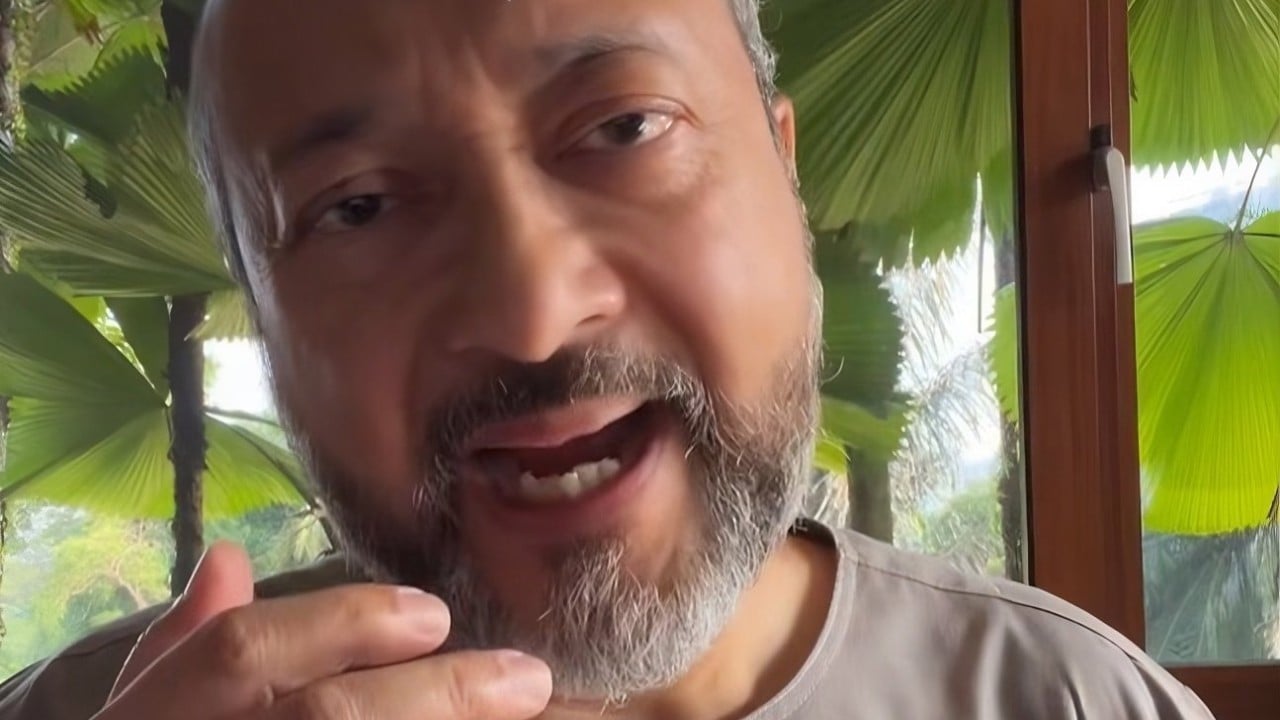
When a prominent political figure drops a blanket condemnation on an entire nation of over three hundred million people, it usually tells you more about their domestic strategy than actual foreign policy. Mukhriz Mahathir recently sparked a massive online firestorm by releasing a video declaring that he hates Americans, explicitly stating that every single citizen shares collective guilt. It is a loud, sweeping statement. It also completely ignores how real people actually live and vote within complex democratic frameworks.
The backlash was swift, but the rhetoric itself is hardly original. Mukhriz is echoing the long-standing, fiery anti-Western posturing famously championed by his father, former prime minister Mahathir Mohamad. For decades, throwing stones at Washington has served as a reliable playbook for certain political factions seeking to energize local bases by tapping into widespread anger over Western foreign policy, particularly concerning the Middle East.
The Flaw of Collective Guilt
In his video rant, Mukhriz claimed that it makes no difference whether an American citizen votes Democrat or Republican, or where they stand on foreign conflicts. In his view, ordinary civilians carry full moral responsibility for the geopolitical actions of the government elected in their name.
That argument sounds punchy on a social media clip, but it collapses under the slightest scrutiny of how modern electoral systems function. Millions of citizens living inside the United States find themselves trapped inside a deeply polarized two-party system that rarely represents their actual moral values.
Think about the structural realities. A voter in a heavily skewed district or a complex electoral college setup often watches their ballot get swallowed by partisan math. Countless individuals actively oppose foreign interventions, yet their tax dollars still fund them because institutional inertia outweighs public dissent. Blaming a nurse in Ohio or a teacher in Oregon for military decisions made by administration officials thousands of miles away isn't just lazy analysis. It is a fundamental misunderstanding of civilian agency under global superpowers.
Political Posturing Meets Domestic Pressures
Why roll out this kind of rhetoric now? Southeast Asian political landscapes face constant pressure regarding how local leaders position themselves between major global superpowers like the United States and China. While current administration leaders like Prime Minister Anwar Ibrahim walk a tightrope of diplomatic engagement—balancing trade pacts and high-level visits—opposition figures often resort to populist outrage.
Attacking Washington plays well to specific domestic audiences who feel deeply alienated by Western double standards on global human rights. When international bodies fail to stop civilian suffering, local populations feel a profound sense of helplessness. Politicians exploit that exact emotional vulnerability. By turning complex geopolitical grievances into a blunt weapon against an entire nationality, leaders can channel legitimate anger away from structural policy failures and into blind xenophobia.
Shifting the Focus to Real Accountability
Real critique requires targeting institutional power structures, weapons manufacturers, and specific legislative bodies that perpetuate harmful foreign policies. Painting millions of ordinary people with a single broad brush accomplishes nothing except shutting down meaningful dialogue.
If you want to challenge foreign hegemony, direct your fire at the architects of empire, not the ordinary citizens struggling to pay rent under the exact same systemic thumb. Sweeping hate speech might grab headlines for a weekend, but it solves zero crises on the ground.