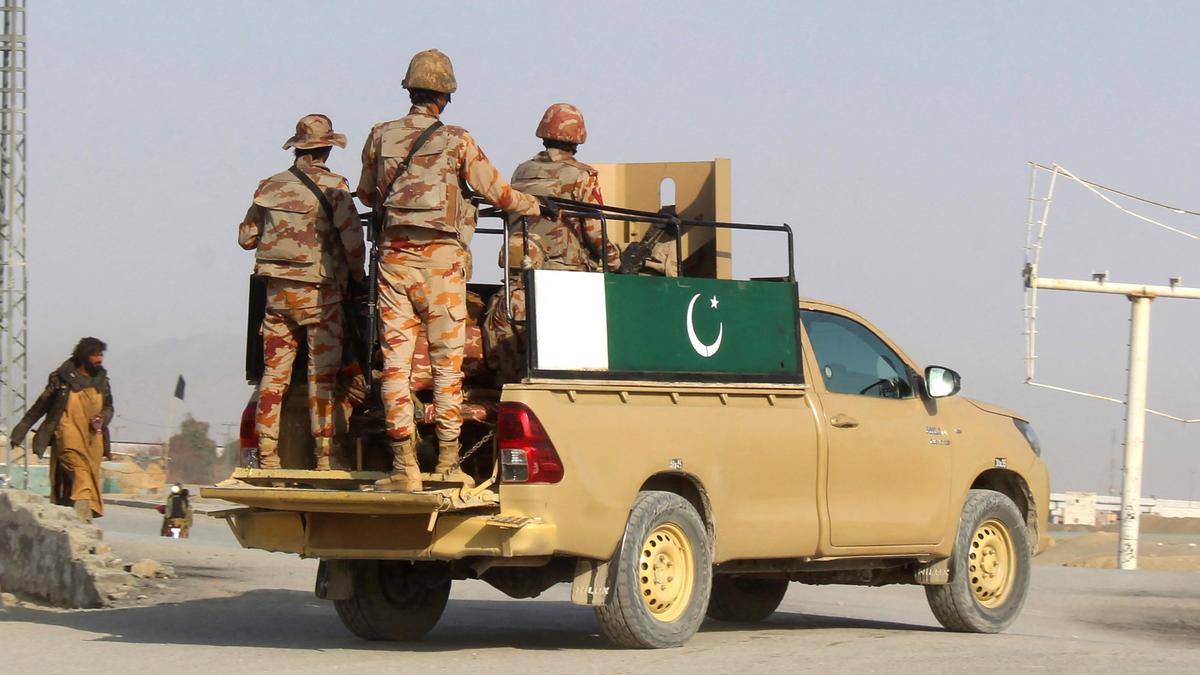
The gloves are off. After years of shadow-boxing, border skirmishes, and diplomatic finger-pointing, Pakistan has finally dropped the "brotherly neighbor" act. On February 27, 2026, Islamabad didn't just strike a few mountain hideouts; they hit the political and spiritual heart of the Taliban. By launching airstrikes against Kabul and Kandahar, Pakistan effectively declared what Defense Minister Khawaja Mohammad Asif called "open war."
This isn't just another border spat. It's a fundamental breakdown of a relationship that has defined South Asian geopolitics for decades. If you've been following the region, you know Pakistan spent thirty years helping the Taliban take over Afghanistan. Now, they're the ones dropping bombs on them. It's a mess, and it's getting bloodier by the hour.
The night everything changed
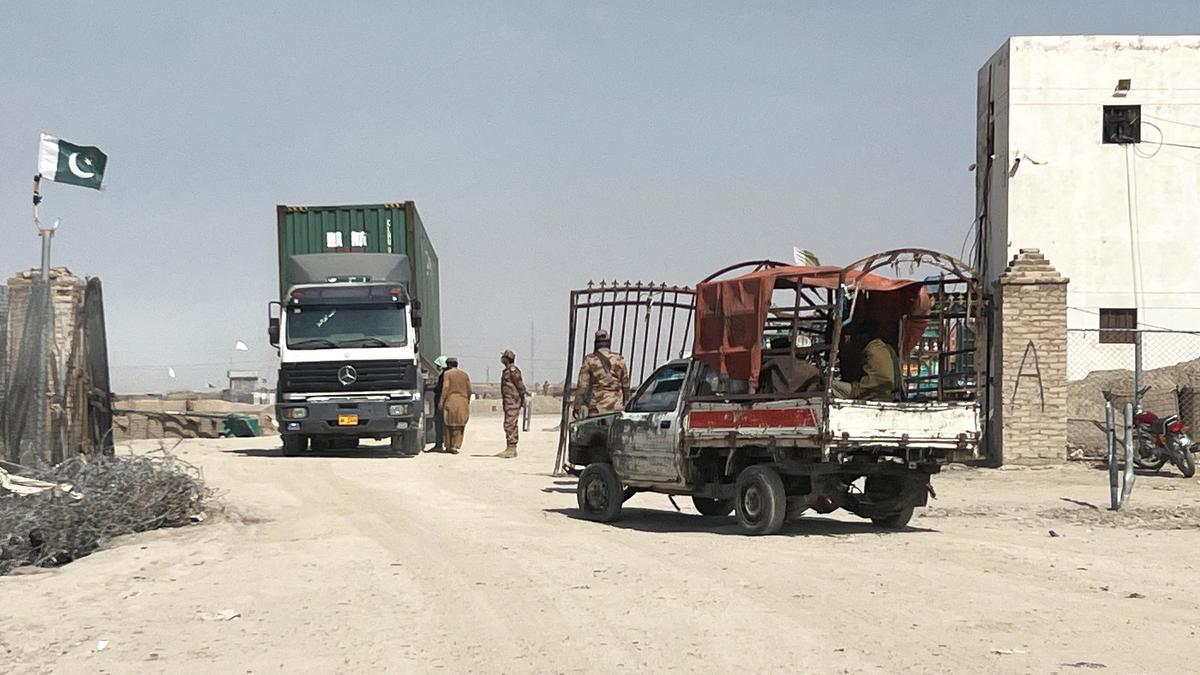
On the night of February 26, the situation at the Durand Line—the disputed border between the two nations—spiraled out of control. Afghan Taliban forces launched an offensive against Pakistani military positions, likely as a "payback" for Pakistani strikes earlier that week. Islamabad’s response was swift and disproportionately heavy.
Instead of just returning fire at the border, Pakistan sent jets deep into Afghan territory. They didn't just hit the frontier; they hit the cities.
- Kabul: The formal capital and administrative hub.
- Kandahar: The religious heart and the place where the Taliban's Supreme Leader, Hibatullah Akhundzada, actually pulls the strings.
- Paktia: A strategic province along the border.
Pakistan claims its "Operation Gazab lil-Haq" (Righteous Fury) killed over 200 Taliban fighters. The Taliban, predictably, tell a different story. They claim they downed Pakistani drones and hit military camps inside Pakistan, specifically near Faisalabad and Nowshera. Honestly, the fog of war is thick here, but one thing is certain: the era of "strategic depth" is dead.
Why the alliance turned into an inferno
You might be wondering how we got here. Didn't Pakistan support these guys for years? Yes. But they feel betrayed. Islamabad's logic was simple: a Taliban-led Afghanistan would be a friendly neighbor that wouldn't let militants attack Pakistan. They were wrong.
Since the Taliban retook Kabul in 2021, terror attacks in Pakistan have skyrocketed. The main culprit is the Tehreek-e-Taliban Pakistan (TTP), a group that shares the Afghan Taliban’s ideology but wants to overthrow the Pakistani state.
Islamabad says the TTP is basically an extension of the Afghan Taliban. They claim TTP leaders are living in Kabul, eating in Afghan cafes, and planning suicide bombings with the Taliban's blessing. The Taliban denies this, of course, but UN reports and local intelligence suggest otherwise. Pakistan's patience didn't just wear thin; it evaporated.
The Indian factor
There's another layer to this. Pakistan is terrified that the Taliban is cozying up to India. Defense Minister Asif even accused the Taliban of turning Afghanistan into a "colony of India." For a country that views its security through the lens of its rivalry with New Delhi, this is the ultimate red line. Seeing Afghan officials meet with Indian diplomats while TTP bombs go off in Peshawar is more than the Pakistani generals can stomach.
This is not just about the TTP
While the TTP is the immediate trigger, the underlying issues are structural. The Taliban doesn't recognize the Durand Line as an international border. To them, it’s a colonial relic that separates the Pashtun people. Pakistan, on the other hand, sees it as a sovereign boundary that must be fenced and policed.
Then there's the humanitarian nightmare. Pakistan has been deporting millions of Afghan refugees, claiming they’re a security risk. This has created a massive strain on Afghanistan's already broken economy. The Taliban views these deportations as a hostile act, a way for Pakistan to "weaponize" human lives to get political concessions.
What this means for the region
If this really is "open war," the consequences are terrifying. We're talking about a nuclear-armed state (Pakistan) fighting a regime (Taliban) that specializes in asymmetric, guerrilla warfare.
- More terror inside Pakistan: The Taliban won't fight a conventional war. They’ll likely give the TTP even more support, meaning more bombings in Pakistani cities.
- Border blackouts: Telecommunications and internet in the border regions are already being shut down.
- Regional instability: If this escalates, it draws in Iran, China, and the U.S., all of whom have conflicting interests in who wins or loses in Kabul.
Pakistan is betting that a massive show of force will scare the Taliban into compliance. But history shows the Taliban don't scare easily. They’ve outlasted the British, the Soviets, and the Americans. They probably think they can outlast the Pakistani military, too.
Don't expect a quick resolution. Even if a ceasefire is brokered in Doha or Ankara, the trust is gone. Pakistan's military is now treating the Taliban as a direct existential threat rather than a proxy tool. This shift is permanent. Keep an eye on the Durand Line; it's currently the most dangerous place on earth.
If you're following these developments, the next thing to watch is the Taliban's spring offensive. Usually, they save their strength for the warmer months. If they decide to launch a full-scale insurgent campaign inside Pakistan, we’re looking at a decade of chaos.