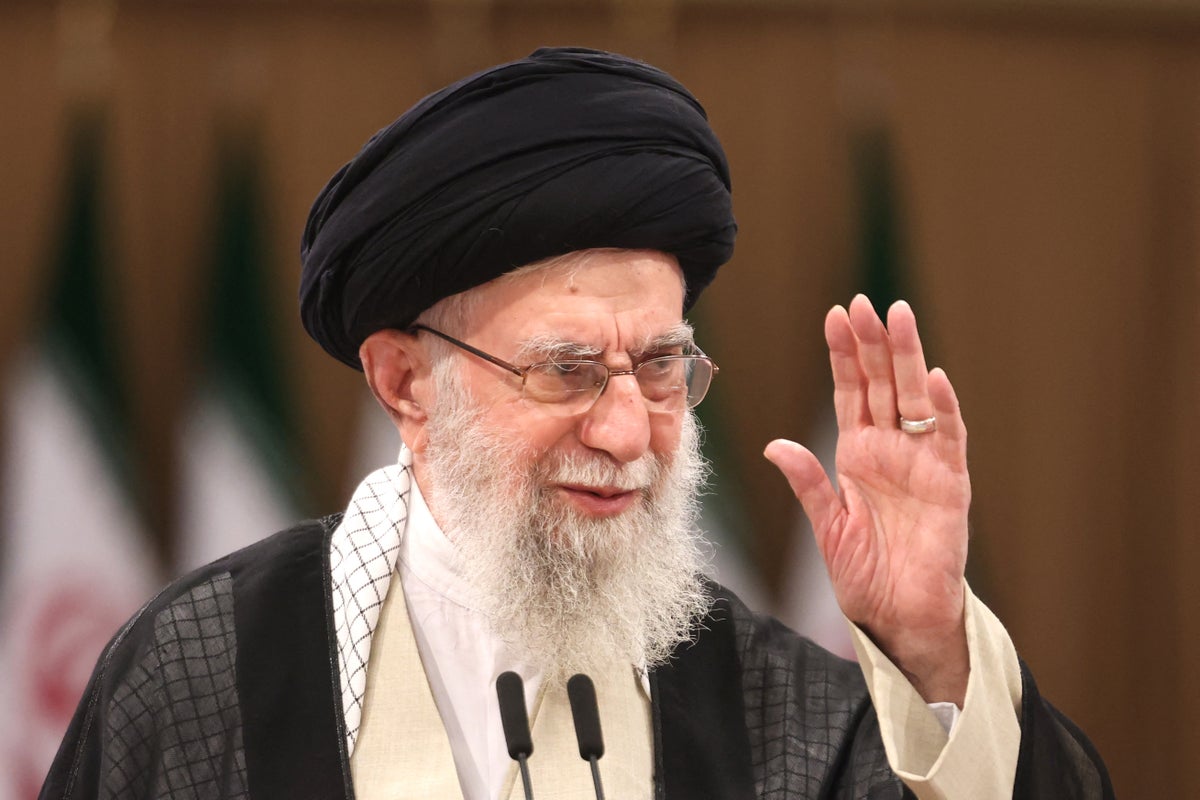
The iron grip of Ayatollah Ali Khamenei on the Islamic Republic has finally shattered. On February 28, 2026, a massive daytime airstrike on his Tehran compound ended his 37-year reign. This isn't just another headline. It’s a seismic shift that leaves a nuclear-capable nation in the middle of a war without its ultimate navigator. If you're wondering who’s actually in charge right now, the answer is a messy committee of three, but the real power struggle is just beginning behind the closed doors of the Assembly of Experts.
Khamenei’s death was confirmed by Iranian state media on March 1, following a 40-day mourning declaration. He didn't leave a public will or a designated heir. Instead, he left a constitutional vacuum that’s being filled by an interim council while the region teeters on the edge of a total blowup. You’ve got a reformist president, a hardline judiciary chief, and a senior cleric all trying to hold the steering wheel at once.
The Interim Trio Holding the Reins
Under Article 111 of Iran’s constitution, power doesn't just pass to a Vice President. It goes to a council. Right now, this "Interim Leadership Council" consists of:
- Masoud Pezeshkian: The President, often seen as a reformist outlier.
- Gholam-Hossein Mohseni-Eje'i: The Chief Justice, a man with deep ties to the security apparatus.
- Ayatollah Alireza Arafi: A senior cleric from the Guardian Council who was quickly named the "Interim Supreme Leader" to maintain religious continuity.
Arafi is the name you need to watch. He’s 67, a product of the Qom seminaries, and has spent years running the Al-Mustafa International University. He’s an insider’s insider. While rumors swirled on March 2 that he too might have been targeted in subsequent strikes, those remain unverified. For now, he’s the face of the transition. But being the "interim" guy is a dangerous job in Tehran right now.
The Shortlist of Real Contenders
The Assembly of Experts—an 88-member body of clerics—is currently meeting in secret. They’re the ones who actually pick the next permanent Supreme Leader. They don’t care about popular votes; they care about survival and clerical "credentials." Here’s who’s actually on the table.
Mojtaba Khamenei: The Son’s Gamble
For years, people whispered about Mojtaba. He’s the late leader’s second son and has massive influence over the Islamic Revolutionary Guard Corps (IRGC). But there’s a huge problem: the 1979 Revolution was supposed to end hereditary rule. If the Assembly picks him, they risk looking like the Shah they overthrew. He’s a mid-ranking cleric, and some senior Ayatollahs think he lacks the religious "gravitas" to lead.
Ali Larijani: The Pragmatist
Larijani is a veteran of the system. He’s been a nuclear negotiator, the Speaker of Parliament, and an IRGC officer. He’s a "pragmatic conservative." He knows how the world works better than the guys who spend all day in Qom. Some reports suggest Khamenei actually favored him in his final days to ensure the regime didn't collapse under its own weight.
Alireza Arafi: From Interim to Permanent?
Since Arafi is already in the interim seat, he has the "incumbency" advantage. He’s safe. He’s reliable. He’s exactly the kind of bureaucratic cleric the Assembly might choose if they want to avoid a massive internal fight. He wouldn't be a transformative leader, but he’d keep the lights on.
Why the IRGC is the Real Kingmaker
Don't let the turbans fool you. The real power in Iran flows through the IRGC. They control the missiles, the drones, and a huge chunk of the economy. Any candidate the Assembly of Experts picks needs the IRGC's "seal of approval."
The Guard wants someone who will keep the "Axis of Resistance" alive and keep the money flowing to their operations. They aren't looking for a reformer. They’re looking for a commander-in-chief who won't blink when the US or Israel increases the pressure. If the clerics pick someone too "soft," don't be surprised if the IRGC takes a more direct role in "guiding" the transition.
The Risks of a Failed Transition
This isn't happening in a vacuum. Iran is currently trading blows with Israel and the US. The "decapitation strike" that killed Khamenei also took out dozens of other senior officials. The regime is wounded and paranoid.
If the Assembly of Experts can't agree on a name within the next few days, we could see:
- Internal Factional Warfare: Protests are already breaking out in the streets of Tehran, with some people celebrating and others mourning. A long delay in picking a leader gives the opposition room to breathe.
- Military Escalation: A new leader might feel the need to "prove" their toughness by launching a massive retaliatory strike.
- A Symbolic Figurehead: They might pick a weak, elderly cleric just to buy time, essentially letting the IRGC run the country as a military junta.
The next 48 hours are basically make-or-break for the 47-year-old Islamic Republic. If you're tracking this, look for any official statements from the Assembly of Experts or sudden movements by the IRGC around Tehran’s "Green Zone."
To stay ahead of the situation, monitor official IRNA news releases and verify any "breaking news" from social media against established regional outlets like Al Jazeera or the BBC. The fog of war is thick right now, and rumors are being used as weapons. Keep an eye on the price of oil and gold, as these markets usually react to Iranian leadership shifts long before the official press conferences happen.