Infrastructure crises usually drag on for years. Bureaucracy and supply chain delays love to turn simple fixes into permanent headaches. But recent events at one of America's most iconic national parks are defying that frustrating trend.
National Park Service officials recently shared some surprisingly positive updates regarding the crippled water supply at the Grand Canyon. Following a devastating flash flood that ripped through Bright Angel Canyon, many feared the worst. Experts initially worried that repairing the critical 12.5-mile Transcanyon Waterline would take endless months of grueling labor.
Instead, a reliable water supply is tracking for a return in weeks, not months.
Why the Flash Flood Didn't Ruin Everything
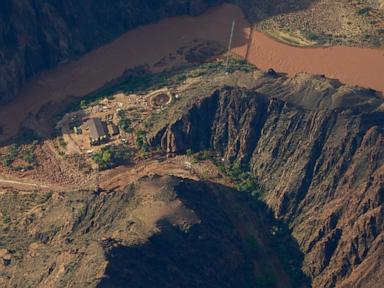
Mother Nature threw a massive punch on August 29, unleashing a violent flash flood that tragically claimed lives, triggered dozens of dramatic rescues, and severely damaged infrastructure near Phantom Ranch. Debris choked the canyon floor, and the water intake at Bright Angel Creek took a direct hit.
Panic set in across the South Rim. Residents and millions of annual visitors rely entirely on that single pipeline system running from the canyon floor up to the plateau.
Yet, infrastructure projects often have hidden safety nets. The massive, $200 million modernization project meant to replace the aging 1960s pipeline was already sitting at over 90 percent completion when the storm hit. The new infrastructure on the South Side escaped major harm.
According to Dave Black, deputy incident commander at the National Park Service's Western Incident Management Team, the destruction of the old legacy pipe is basically a non-issue now. Crews aren't wasting time patching ancient metal that was already scheduled for retirement. They are pivoting straight into finishing what was already nearly done.
The Plan to Get Water Flowing Again
Building a brand new permanent water intake takes time. Engineers cannot rush heavy construction deep inside a protected wilderness corridor. To bypass this bottleneck, park leadership approved a practical workaround.
Crews are constructing a temporary water intake right at Bright Angel Creek. This temporary fix is engineered to match the pre-flood pumping capacity of 500 gallons per minute. Once operational, it will pump water directly into the nearly completed new pipeline network, rapidly replenishing the heavily depleted storage tanks on the South Rim.
Electricity has already been restored to the work zone, and debris clearance is underway. Engineers are operating under aggressive timelines.
What This Means for Visitors and Residents
If you're planning a trip to the South Rim right now, don't pack your bags just yet without checking local alerts. Stage 4 water restrictions remain heavily enforced. Potable water spigots are shut off in several zones, and officials have deployed thousands of gallons of emergency bottled water alongside portable showers and mobile tanks.
Roughly 1,600 permanent residents and local businesses inside Grand Canyon Village are feeling the pinch. People are shutting off water heaters to curb usage, limiting showers to absolute minimums, and aggressively altering daily routines.
Conservation isn't just a polite suggestion here. It's the literal lifeline keeping the park operational while crews work double shifts down in the canyon. Every single gallon saved by tourists and locals buys engineers critical breathing room.
The path forward is clear, but canyon conditions always dictate the final schedule. Conserve water if you are visiting, respect local restrictions, and keep an eye on official park updates as the system comes back online.